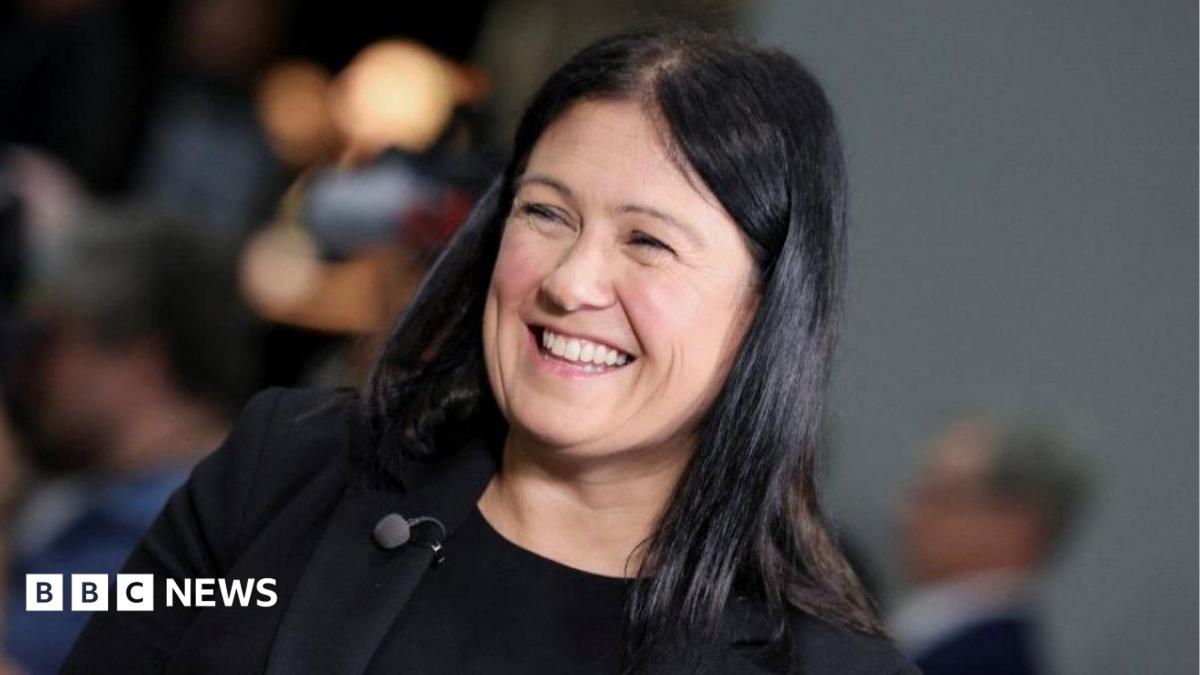
The BBC reports that 322 Labour MPs have voted to back Andy Burnham, a tally ministers say makes him likely to become leader. Labour under Burnham is the phrase used by some in Westminster to describe the possible new direction, after a wave of parliamentary endorsements and public statements. Lisa Nandy told reporters that “Labour under Burnham will be faster and bolder,” framing the backing as an early signal of tone and intent.
BBC report: the backing
The BBC’s coverage sets out the parliamentary count as the central fact: 322 MPs are reported to have voted to back Burnham. The broadcaster and ministers have described that level of support as significant within the parliamentary party and as strengthening his position in the leadership contest.
That parliamentary tally does not, on its own, complete the formal selection process, but it is routinely cited by colleagues and commentators as evidence of momentum. The BBC report presents the number as a measure of how the parliamentary party is aligning, and highlights reactions from senior figures across Labour.
What Labour under Burnham would mean
When ministers speak of “Labour under Burnham” they are signalling a change of emphasis: Lisa Nandy’s remark that the party would be “faster and bolder” points to a desire for quicker decision-making and clearer policy priorities. That characterisation is a framing device used by supporters to set expectations about style and pace.
Observers say such language helps shape both internal and public perceptions. Supporters will use the phrase as a benchmark to measure delivery; critics will test whether promised speed and ambition are realised. It is important to treat statements about future direction as projections tied to the leadership process rather than established outcomes.
Why the vote matters now
Parliamentary backing is a practical factor in modern leadership contests: sizeable MP support can narrow the field of credible candidates and influence endorsements elsewhere in the party. The BBC’s report underlines that a reported 322 MPs in favour gives Burnham authority inside Westminster and can alter campaigning dynamics.
Political analysts note that early shows of support can affect how members and affiliated groups view the contest, but they also stress that the formal route to leadership typically includes additional stages — nominations, wider ballots, and confirmation mechanisms — that involve different electorates within the party. In that sense, the parliamentary tally is influential but not decisive by itself.
What comes next
Following the reported backing, the immediate tasks are procedural and political. Party rules set out nomination thresholds and confirmation steps that must be satisfied before anyone is declared leader. MPs and declared candidates will move between parliamentary business and outreach to members, branch organisations and affiliated bodies as required by the process.
Campaigning will focus on persuading constituency members, trade union affiliates and other party voters where relevant. If the parliamentary support persists and translates into broader backing in the memberships and affiliate votes that follow, the party would move from contest to transition preparations: shaping a leadership team, setting short-term priorities and beginning policy work.
For the public, the near-term questions are practical: which policies will receive immediate attention, how rapidly will a new team be formed, and what signals will be sent to the wider electorate about priorities. Any claims about pace or policy change should be treated as projections until formal steps in the leadership process are complete.
Quick background
The BBC article focuses on two linked developments: the parliamentary tally and a ministerial statement outlining an expected direction under the prospective leader. That combination — a concrete count plus a public framing — is what has driven attention to the story and prompted discussion about how quickly the party might change course.
Debates about strategy and messaging have been ongoing within Labour; the reported backing has become a focal point in those wider discussions, as colleagues and commentators consider whether a shift in leadership will produce substantive change in policy focus or simply alter emphasis and tone.
Key takeaways
- The BBC reports that 322 Labour MPs have voted to back Burnham, a figure ministers say strengthens his position.
- Lisa Nandy said “Labour under Burnham will be faster and bolder,” a projection about style and pace rather than a guaranteed outcome.
- The reported tally increases momentum inside Parliament but formal leadership procedures and wider ballots remain part of the process.
FAQ
What happened with Labour under Burnham?
The BBC reported that 322 Labour MPs voted to back Burnham, and ministers used the phrase “Labour under Burnham” to describe an intended approach. Taken together, the parliamentary tally and the public statements have led many to view him as likely to become leader, though that remains contingent on formal steps.
Why does Labour under Burnham matter?
Leadership changes can shift priorities, tone and the speed of decision-making. Ministers’ comments set expectations that the party would act more quickly and assertively under Burnham, but these should be read as projections pending the outcome of the full leadership process.
What happens next?
Nomination rules, wider ballots and confirmation stages still apply. MPs, party members and affiliates will each play their roles as laid out in party procedures. If parliamentary support converts into wider backing, the party would move into transition planning and immediate policy work.
Source: BBC News — Labour under Burnham will be faster and bolder, says minister