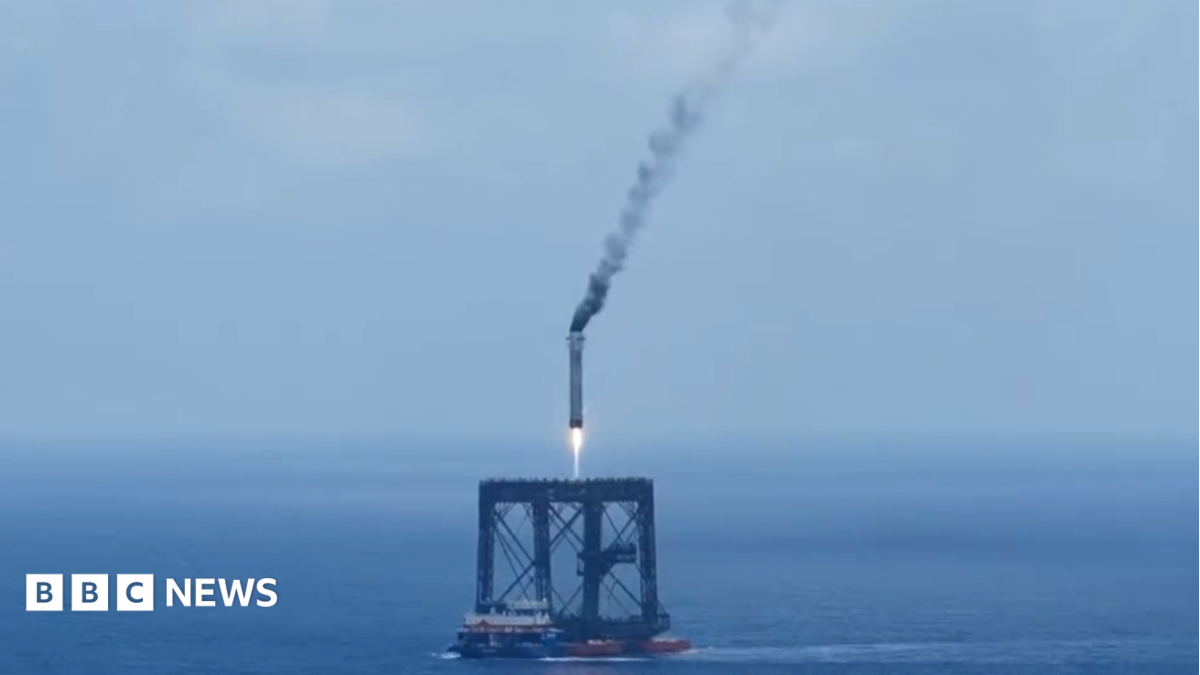
China reusable rocket landing was announced by state-controlled outlets on Monday, which said a rocket stage returned to Earth and touched down intact. State reports framed the event as the country’s first recovery of a reusable launch vehicle component.
Not yet independently verified. The claim is being reported by Chinese state media and summarised by international outlets; independent telemetry, third-party tracking or non-state imagery confirming the landing have not been published.
What state media reported
State-run outlets said a launch stage returned from a mission and was recovered intact, presenting photographs and official statements attributed to government space bodies. Reporting emphasised technical success and national achievement, describing the event as a milestone in China’s domestic launch capabilities.
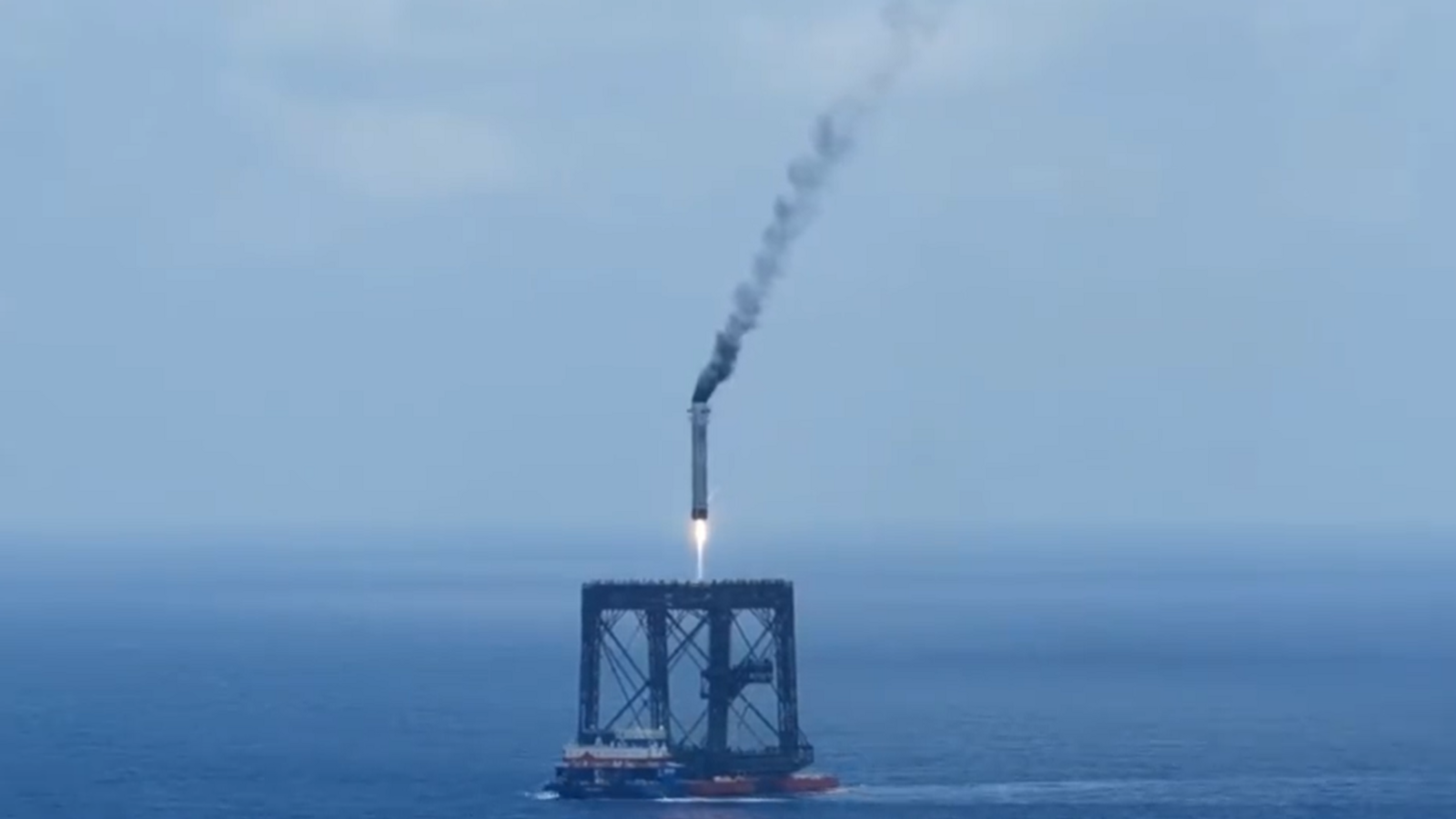
The accounts provided limited detail on the vehicle type, the flight profile, or the conditions of recovery. No independent witnesses or outside agencies were quoted in the reports; coverage relied on images and statements from official channels.
International summaries, including reporting by BBC News – World, relayed the state media claim while noting the absence of independent confirmation. Readers should treat the announcement as a developing story pending corroboration.
Verification and sourcing: China reusable rocket landing
Independent confirmation typically involves some combination of public telemetry, radar or satellite tracking available to third parties, or imagery from non-government sources. As of this update, that corroborating material has not been published.
Journalists and analysts looking to verify the landing will seek: released telemetry from the mission, open tracking data that shows the stage descent and touchdown, or third-party satellite or airborne imagery of the recovery site. None of these forms of evidence are currently in the public record for this claim.
The BBC article summarising the state reports is the principal international source cited so far. For transparency, readers should note the BBC itself reports the claim as coming from Chinese state media and flags the lack of external verification. We have inserted the BBC link in the references below and will update this article as new, independently verifiable material appears.
How it compares to SpaceX and Blue Origin
Reusable rocket recovery is a capability previously demonstrated by U.S. companies such as SpaceX and Blue Origin. SpaceX has routinely landed and reflown Falcon first stages after orbital launches. Blue Origin has recovered suborbital boosters with its New Shepard system.
The engineering and operational approaches differ between firms. SpaceX’s Falcon 9 first stages perform controlled descents from orbital trajectories and land vertically for refurbishment and reuse. Blue Origin’s New Shepard focuses on suborbital hops with vertical booster recovery.
State reporting on the China recovery did not specify whether the recovered stage is intended for future reuse, nor did it describe the refurbishment process, turnaround expectations, or the flight profile in detail. Those technical specifics determine how comparable a reported China reusable rocket landing would be to the established reuse programs of SpaceX and Blue Origin.
A visual comparison of typical SpaceX and Blue Origin landing profiles is planned in the image assets for this story to help readers see the operational differences cited above.
Why it matters and what comes next
If independently confirmed and demonstrated to be reusable, a credible recovery would help reduce per-launch costs and could increase launch cadence for Chinese missions. Reusability is a practical lever for lowering operational expenses when refurbishment and rapid turnaround are practical.
Beyond economics, advances in recoverable launch vehicles carry geopolitical significance. They factor into assessments of national space capabilities, commercial competitiveness, and the strategic posture around satellite launch capacity.
Next steps for verification include publication of mission telemetry, third-party tracking data or imagery, and evidence that the recovered hardware can be refurbished and reflown. International tracking groups, commercial satellite imagery providers and independent analysts are likely to scrutinise these avenues in coming days.
Background: what reusable recovery entails
Recovering a rocket component means bringing large, high-speed hardware safely back through the atmosphere and to a controlled touchdown. Different programs use different methods: vertical propulsive landings, winged return vehicles, or parachute-assisted recoveries for suborbital systems.
The practical benefits—lower cost per launch and higher flight frequency—depend on engineering trade-offs, maintenance cycles and how often the recovered stages can be reused without major overhaul.
FAQ
Has the landing been independently verified?
No. Reporting so far relays state media claims and international summaries such as the BBC’s coverage. Independent verification via telemetry, non-state tracking, or satellite imagery has not been published.
How does this compare to SpaceX and Blue Origin landings?
SpaceX operates routine first-stage landings and reuses stages on orbital missions; Blue Origin has performed vertical recoveries on suborbital flights. The Chinese report lacks the technical detail needed to judge equivalence.
What does a reusable rocket landing mean for China’s space program?
A confirmed and practical reuse capability could lower costs and support more frequent missions for government and commercial customers. It would also be a notable development in the context of global launch competition.
References and source attribution
Primary coverage of the claim was published by Chinese state media and summarised in international reporting. See the BBC News – World report for the international summary and the original state media sourcing.
Source: BBC News – World. This article treats the state media announcement as an unverified claim until independent evidence is published.