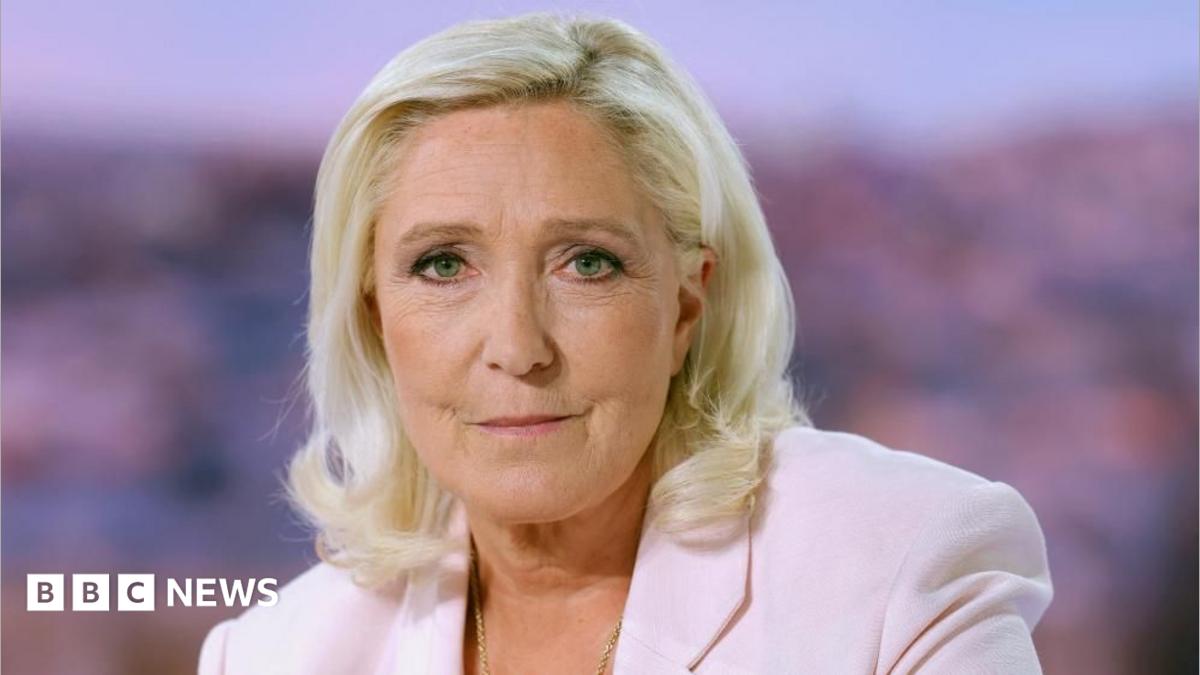
Marine Le Pen opened her presidential campaign within hours of a court of appeal confirming a guilty verdict, placing the legal ruling at the centre of a political moment that will shape the run-up to France’s 2027 election. The swift transition from courtroom news to campaign events highlighted how closely legal and electoral timelines can intersect for high-profile candidates.
“French nationalist leader defiant after court’s ruling” — BBC News
What the court confirmed
The court of appeal confirmed a guilty verdict, BBC News reported. The ruling upheld an earlier judgment rather than announcing new charges, the BBC account said, and the immediate public summary focused on the confirmation of the prior finding.
BBC News noted that the appeal court’s decision validated the earlier verdict; reporting emphasised the judicial confirmation itself rather than detailing any fresh sentencing changes in the immediate announcement. Coverage framed the decision as a legal milestone in an ongoing process.

Appellate rulings of this kind typically revolve around points of law, procedure or the review of evidence used at first instance. BBC reporting indicated the confirmation was a pivotal development for the courtroom trajectory, while leaving open the possibility of further legal remedies available under French law.
Marine Le Pen launches campaign
Hours after the decision became public, Marine Le Pen formally launched her campaign for the 2027 presidential contest. The campaign launch came in the same day as the appellate ruling, with events and statements staged to reassert her candidacy for the national contest.
Campaign spokespeople framed the timing as a deliberate choice to keep political messaging focused on policy and electoral outreach. BBC News coverage linked the fast campaign response directly to the court announcement and described how Le Pen moved quickly from the courthouse context into political events.
At campaign appearances, Le Pen spoke to supporters and outlined core themes of her platform. Reporting indicated an emphasis on continuity with issues she has long highlighted, including immigration, security and the economy, while aiming to mobilise her existing base of support ahead of primary and registration phases that will precede formal ballots.
Political reaction and context in France
Within France, the juxtaposition of a confirmed guilty verdict and an immediate campaign launch prompted swift responses across the political spectrum. Opponents argued the ruling raised questions about suitability for office, while supporters and allies portrayed the development as politically motivated, according to BBC reporting.
Analysts quoted in the media said the episode could affect the dynamics of the 2027 contest. As a long-standing nationalist leader with an established voter base, Le Pen’s reaction to the ruling may consolidate support among core backers and influence how rival parties position themselves.
Political parties, commentators and media outlets will closely watch polling, fundraising and attendance at events in the coming weeks. In previous French campaigns, the public response to legal controversies has varied; much will depend on messaging effectiveness, how party organisations mobilise supporters, and how undecided voters interpret the developments.
What comes next for the campaign and legal case
What comes next will proceed on two parallel tracks: political campaigning and further legal steps. On the political side, Le Pen’s team is likely to continue scheduling events, formalise campaign structures, and prepare through outreach and communications as the 2027 electoral calendar approaches.
On the judicial side, BBC News noted that appellate confirmation is an important stage but not necessarily the final step in litigation. In France, further legal remedies can include appeals to higher courts such as the Court of Cassation, depending on the procedural posture and grounds for review. The availability and likely timeline of such remedies will depend on the specific legal avenues open to the defence under French law.
Observers and legal commentators told reporters that these processes can take months and sometimes longer, meaning legal and electoral developments may continue to unfold at the same time. That concurrency could affect campaign decisions, media coverage and how opponents choose to engage politically.
For voters and party officials, the immediate questions will include candidate registration procedures, internal party selection timetables, and how events such as rallies and debates are scheduled in the months ahead. The intersection of legal proceedings and campaign activity will be watched closely by national and international media.
Source and further reading
This article is based on reporting by BBC News. For the BBC’s account of the appeal court decision and the subsequent campaign launch see: BBC News — Will Le Pen rise again? French nationalist leader defiant after court’s ruling.
Reporting for this article relied on the BBC News report of the appeal court ruling and its description of the immediate political response and campaign activity.