The United States and Gulf partners have begun diverting substantial commercial traffic around the Strait of Hormuz via a southern shipping corridor along Oman’s coast, maritime analysts and reporting say. The reroute, alleged retaliatory strikes on vessels and a brief exchange of military blows have produced a memorandum and set the stage for Doha negotiations.
The corridor and the ceasefire are central to whether Tehran can retain leverage over global energy and trade flows. Windward maritime data, cited in reporting, shows a rapid rise in the share of traffic using the southern corridor as shipmasters and insurers look to reduce exposure to the narrow chokepoint.
How the Strait of Hormuz is changing
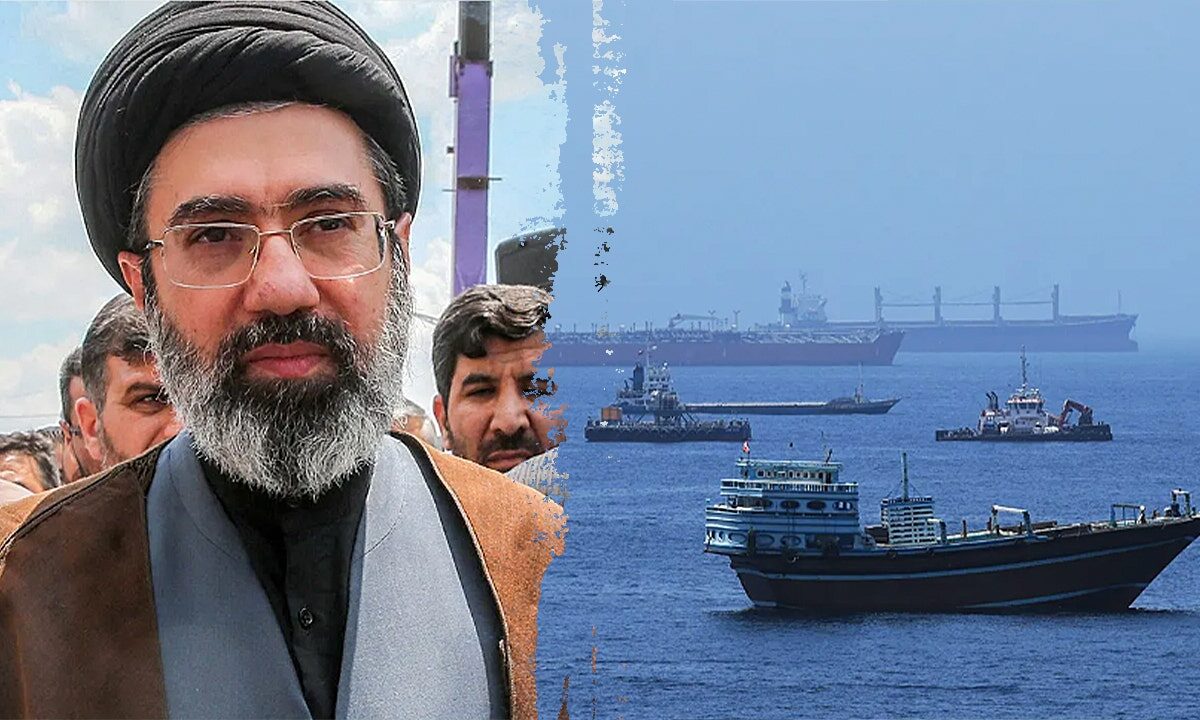
U.S. and Omani authorities have encouraged a new southern shipping corridor that hugs Oman’s coastline to keep vessels farther from Iran’s immediate maritime reach. Windward data, as reported by Fox News Digital, indicates nearly half of inbound commercial traffic shifted toward that route in recent weeks.
Shippers and underwriters are responding. Analysts say the corridor reduces direct transit through the narrowest part of the Strait of Hormuz and alters risk calculations for insurers, charterers and regional navies, particularly for oil and liquefied natural gas shipments bound for Asia and Europe.
Attacks, claims and military responses
After the southern corridor began carrying more traffic, several vessels were reported attacked while transiting near the corridor. Attribution of those incidents to Iran or the Islamic Revolutionary Guard Corps (IRGC) is presented in reporting as alleged and has not been independently confirmed here.
Fox News Digital reported U.S. strikes on Iranian-linked targets in response to the attacks. Retired U.S. officers and regional analysts quoted in coverage described the timing of U.S. actions as deliberate, intended to deter further incidents while diplomatic channels opened.
Former Navy Rear Adm. Mark Montgomery told reporters the southern route “creates a route they can’t toll or control,” adding that, in his view, the attacks were aimed at deterring its wider use. Former Vice Adm. Kevin Donegan said the IRGC’s objective appeared to be to increase the commercial cost of transit — by raising insurance and security premiums rather than attempting an outright closure of the waterway.
The memorandum, tolls debate and Doha talks
Following the exchange of strikes and counterstrikes, parties announced a ceasefire and a memorandum of understanding that, according to reporting, calls for a pause in hostilities while negotiators discuss the strait’s future administration and maritime services. The memorandum reportedly includes a 60-day window during which commercial traffic would move toll-free.
President Donald Trump publicly declared on social media that there would be “NO TOLLS,” but Fox News Digital’s coverage notes the memorandum itself does not explicitly guarantee that long-term outcome. Different parties have framed the interim agreement differently in public statements, and some state-linked outlets have portrayed parts of the deal as favorable to their side.
Negotiators are scheduled to meet in Doha to hash out details: who would manage ports and services, how maritime monitoring and enforcement would work, timelines for any infrastructure changes, and whether fees or tolls could be introduced after the 60-day period. Reporting indicates discussions are likely to cover potential joint patrols, operational oversight of navigation aids, insurance frameworks and mechanisms for dispute resolution — all intended to restore predictable passage for commercial ships.
Officials and analysts caution these items are complex. Some Iranian statements have pushed back against direct U.S.-Iran meetings, complicating expectations for face-to-face diplomacy. Coverage of the talks characterizes many of the operational proposals as preliminary and subject to further negotiation.
How regional infrastructure changes the math
Longer-term infrastructure alternatives already weaken Tehran’s chokehold. Saudi Arabia’s East-West Pipeline routes crude to the Red Sea, and the United Arab Emirates has expanded export capacity through Fujairah, providing substantial bypass options for Gulf crude and refined products.
Those alternatives, together with increased use of the southern corridor, reduce the volume that must pass through the narrowest points of the Strait of Hormuz. Analysts say that shift diminishes the immediate impact of any disruption inside the strait and changes bargaining power in negotiations over maritime security and commerce.
What comes next for the Strait of Hormuz
Doha negotiations will determine whether the 60-day toll-free window becomes a longer-term policy or merely a temporary confidence-building measure. Analysts and officials told reporters they expect talks to focus on cost sharing for maritime services, who oversees navigational safety, and how to verify compliance with any agreement.
If attacks subside and the memorandum is backed by enforceable monitoring, insurers could lower premiums and shippers may gradually return to pre-crisis patterns. Conversely, if incidents continue or if the agreement is perceived as unstable, shipping firms may extend detours and investment in bypass infrastructure would likely accelerate, further reducing dependence on the strait.
Observers say the outcome will hinge on enforcement mechanisms and whether participating states commit resources to on-water monitoring and rapid incident response. Windward’s movement data and analysts cited in reporting will be watched closely by markets as an early indicator of whether traffic patterns revert or remain altered.
Source attribution
This analysis draws on reporting by Fox News Digital and maritime intelligence data from Windward, alongside commentary from named regional analysts and former U.S. military officials. Key voices in coverage include former officers Mark Montgomery and Kevin Donegan, regional figures such as Prince Faisal bin Farhan and David Schenker, and researchers including Clionadh Raleigh.
Primary reporting: Fox News Digital – Iran fights to keep grip on Hormuz as US, Gulf allies carve new shipping route.
Windward maritime intelligence: Windward.