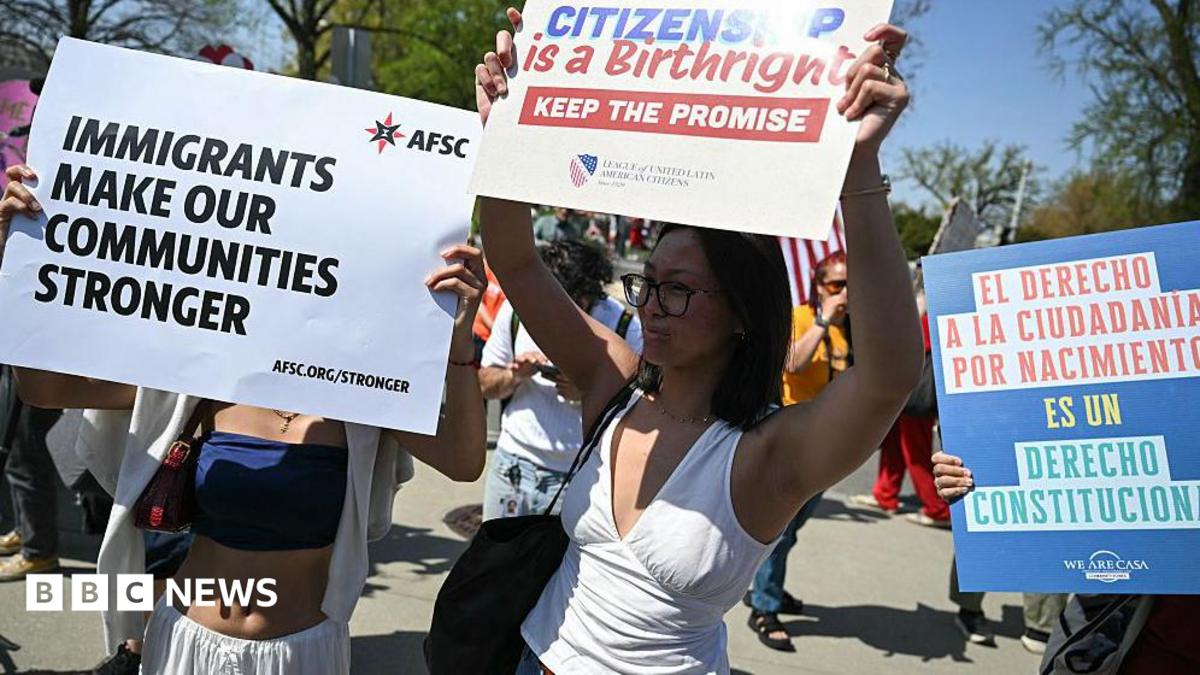
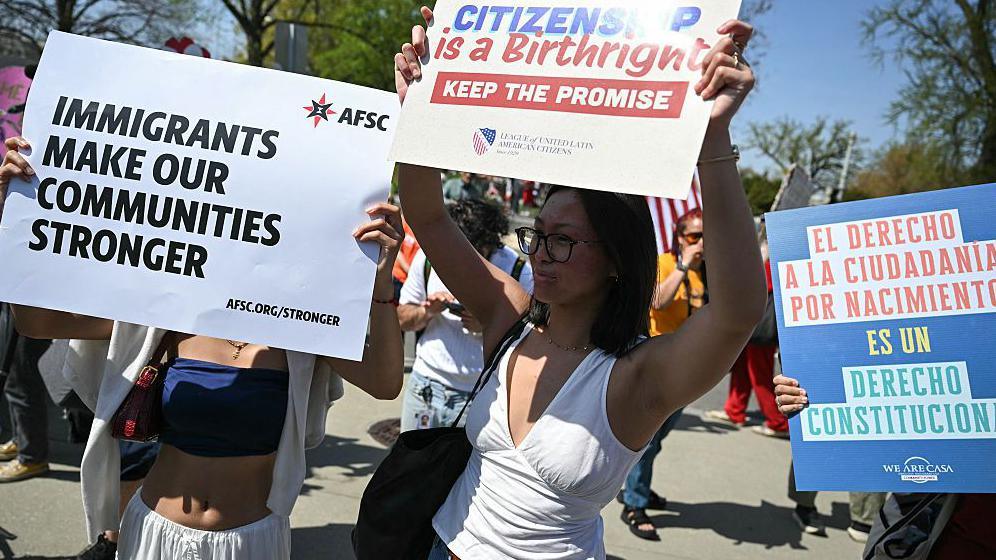
The US Supreme Court on Thursday upheld birthright citizenship, ruling that most people born on American soil retain citizenship at birth under the Constitution. The decision keeps in place long-standing legal protections and will shape the immediate political debate over immigration policy.
The ruling was announced by the court and spelled out the majority’s interpretation of constitutional text and precedent. Supporters of the decision described it as a safeguard for families and civil rights, while some backers of immigration restrictions — including allies of Donald Trump — said the outcome was a setback for efforts to change how citizenship is determined.
What the court ruled on birthright citizenship
The Supreme Court ruling affirmed that the Constitution, as interpreted by the majority, protects the principle that most people born in the United States are citizens at birth. The majority opinion reviewed relevant constitutional language and relied on established precedent in reaching its conclusion.
The opinion emphasized continuity with earlier cases rather than adopting a novel, narrower reading that would sharply limit who qualifies as a citizen by birth. The court set out the legal reasoning for rejecting the narrower interpretation advanced by the challengers in the case.
Why the decision matters for politics
Politically, the ruling has immediate resonance. Proponents of restricting birthright citizenship said the decision is frustrating to their objectives and described it as a setback for plans linked to former President Donald Trump’s immigration agenda. Those characterisations came from political figures and advocates making public statements after the ruling.
Civil rights organisations and many Democrats welcomed the outcome as preserving legal stability. They argued that maintaining the current rule avoids sudden disruptions to families and public services that depend on predictable citizenship status.
How this affects people now
For individuals and families, the most immediate effect is continuity: children born in the United States will continue to acquire citizenship at birth under the same standards that applied before the case. That reduces short-term uncertainty for hospitals, schools and state and local agencies that rely on citizenship status for eligibility decisions.
Civil rights groups that issued statements after the ruling said it protects children and families from abrupt legal shifts. Local service providers and community groups are likely to see little change in day-to-day operations as a result of the decision.
Legal background and what comes next
The Court’s decision builds on a long legal history. Central to the ruling is the interpretation of the 14th Amendment, which has been read by courts for more than a century to provide birthright citizenship in most cases. A landmark precedent widely cited in this area is United States v. Wong Kim Ark (1898), which recognised citizenship for a child born in the U.S. to parents who were subjects of the Chinese emperor.
Although this Supreme Court decision resolves the immediate legal challenge, it does not make future legislative change impossible. Any statute that sought to alter birthright rules would face congressional debate and likely additional court challenges, and would need to be reconciled with the constitutional issues addressed by the Court.
Legal analysts say litigation and political advocacy on immigration are likely to continue, but the ruling closes the specific pathway advanced in this case for the near term.
Timeline (brief)
• 1868 — The 14th Amendment is ratified, including the Citizenship Clause.
• 1898 — Wong Kim Ark establishes a key precedent on birthright citizenship.
• 2020s — Renewed political debate and legal challenges about the scope of birthright citizenship lead to the recent Supreme Court case and its decision.
Reactions and attribution
Reaction was split along familiar lines. Civil rights groups released statements celebrating the preservation of established rights and legal certainty for families. Political allies of former President Donald Trump criticised the ruling and said they would pursue policy avenues to advance their goals.
Reporting on this ruling is based on coverage from BBC News. For the original reporting, see: BBC News – US Supreme Court upholds birthright citizenship in blow to Trump.
Frequently asked questions
What did the Supreme Court decide about birthright citizenship?
The Court upheld the existing legal principle that most people born in the United States are citizens at birth, relying on its interpretation of the Constitution and prior precedent.
Does this ruling end efforts to limit birthright citizenship?
No. The decision resolves the present legal challenge but does not preclude future legislative proposals or separate legal strategies. Any new attempts to change the rule would face significant legal and political obstacles.
Who is directly affected by the decision now?
The ruling most directly affects people born in the United States and their families by preserving current citizenship rules. It also affects civil rights groups, policymakers and communities engaged in the immigration debate.
Source: BBC News. Original article: https://www.bbc.co.uk/news/articles/cgmepnx1wzzo?at_medium=RSS&at_campaign=rss.