The Balogun red card is now a live issue for Mauricio Pochettino’s side as they prepare for a World Cup last-16 clash with Belgium. The Balogun red card presents both practical selection questions and tactical trade-offs the USA must resolve in the remaining days before kick-off.
This piece summarises verified facts, outlines the immediate squad and tactical effects, analyses how the dismissal could matter in the last-16 tie, and sets out the open questions — including likely disciplinary steps — the team and tournament authorities must address. Speculative points are clearly labelled.
What we know
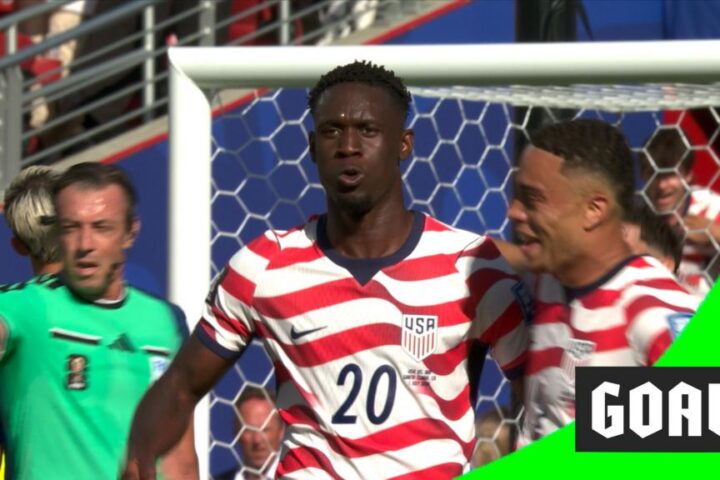
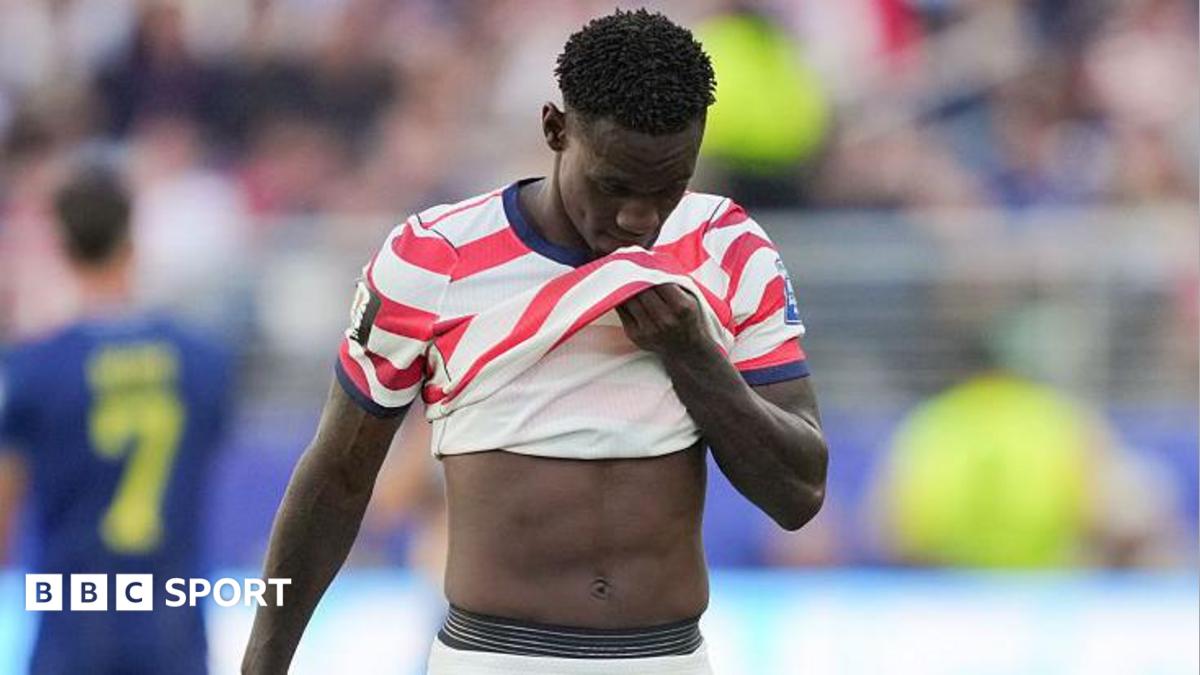
Forward Folarin Balogun received a red card in the match that confirmed the USA’s progress from the group stage. Mauricio Pochettino’s USA side have advanced to a World Cup last-16 meeting with Belgium. The BBC Sport report is the primary source for these verified facts and for reporting the last-16 pairing.
The publicly available coverage does not detail the referee’s full reasoning in the incident or any immediate disciplinary ruling from the tournament’s panel. Tournament disciplinary procedures will determine whether the sending-off results in further suspension or is subject to appeal.
Source: BBC Sport
Immediate effect on squad and tactics
The most immediate consequence of the Balogun red card is a need to reconsider the starting line-up and the attacking template for the Belgium match. On match day, Pochettino must decide whether to replace Balogun with a like-for-like centre-forward, to depend on a two-forward approach, or to shift to a system that relies less on a single target man.
Each option carries trade-offs. A straight like-for-like swap preserves the planned attacking structure but may reduce the manager’s tactical flexibility if the available alternative lacks Balogun’s specific attributes. A two-forward system can increase pressing intensity and create overloads in wide channels; conversely, it can also leave gaps between the lines if the midfield does not provide additional cover.
Changes to the forward line will also influence how the USA defend from the front, how they manage transitions and who takes set-piece roles. Even if a disciplinary decision allows Balogun to remain available, match fitness, confidence after a sending-off and the psychological effect on the squad factor into selection choices.
Speculative analysis: Pochettino may prioritise balance versus Belgium’s quick transition play by selecting a formation that offers extra midfield cover rather than doubling up on forwards. That would be a tactical choice to reduce space in transition rather than a direct substitution for any missing individual.
Why the Balogun red card could be costly
There are several ways the Balogun red card could alter the USA’s chances in the last-16. First, an enforced absence through suspension removes an attacking option and forces a tactical rethink. Second, a different starting forward may not yet be fully integrated into the chosen patterns of play, reducing efficiency in the final third. Third, the psychological ripple — opponents sensing a vulnerability or teammates losing a touch of cohesion — can change how the match unfolds.
Belgium typically pose a threat through individual quality and fast transitions. Any disruption to the USA’s attacking cohesion could make it harder to sustain possession in advanced areas or to stretch Belgium’s backline. That said, a reconfigured system can also benefit the USA: disciplined defensive shape and compactness could frustrate Belgium and create set-piece or counter opportunities.
Speculative analysis: The red card is not necessarily decisive on its own. The ultimate impact depends on the disciplinary outcome, Pochettino’s tactical response and the performance of replacements on match day.
What comes next for Balogun and the USA
Administratively, the next steps are clear: the tournament disciplinary committee will review the incident. Depending on the classification of the offence, this could trigger an automatic one-match suspension, a longer ban, or an overturned sanction following an appeal. Timing matters — an appeal process compressed into the days before the Belgium match will shape whether the manager can plan with certainty.
From a team-preparation angle, Pochettino’s staff will rehearse contingency plans. Training sessions are likely to include alternative frontline combinations, set-piece arrangements without Balogun leading the line, and tactical drills focused on protecting transitions. The manager may also use press conferences and controlled information to manage squad morale and public expectation.
Speculative analysis: If disciplinary action is pending but not resolved, the manager may opt for a pragmatic match-day selection that hedges between keeping attacking threat and limiting exposure to Belgium’s counters. That kind of compromise can be effective but relies on clear instructions and rapid in-game adjustments.
Open questions still to be resolved include: will officials announce any suspension before final team sheets are submitted; how will Pochettino balance risk and reward in selecting an attacking shape; and how will opponents seek to exploit any perceived weakness?
Key takeaways
- The Balogun red card is a confirmed fact and a complicating factor for the USA ahead of Belgium in the last-16 (source: BBC Sport).
- Immediate tactical consequences are likely: an altered starting striker role, potential formation changes and revised set-piece duties.
- Disciplinary outcomes will determine the scale of the problem — an upheld suspension forces a concrete change; a successful appeal or a reduction would limit disruption.
- Managers and analysts should watch three things versus Belgium: the chosen starting striker/shape, early substitution patterns, and how the USA handle transitions and set-pieces.
Source attribution
Key facts in this analysis are taken from BBC Sport reporting on the match and the tournament draw. For the original report, see: BBC Sport – Top Stories. This article does not add new factual claims about the incident beyond what that source reports.
Frequently asked questions
What led to Balogun’s red card?
Public reporting confirms only that Folarin Balogun was sent off. The available sources do not provide a full account of the referee’s reasoning within the immediate match reports.
Will Balogun be suspended for the Belgium game?
Suspension depends on the tournament disciplinary process and whether the red card carries an automatic ban or is subject to appeal. Officials will review the incident and issue any formal decision; until that process concludes the status is uncertain.
How does the red card change USA tactics against Belgium?
Tactically, the USA may replace Balogun with a different striker, shift to a two-forward setup, or adopt a formation that reduces reliance on a single centre-forward. The final choice will reflect Pochettino’s assessment of Belgium and the players available on match day.
Note on speculation: Where this article discusses possible line-ups or managerial choices these are explicitly speculative and presented as potential scenarios rather than confirmed facts.