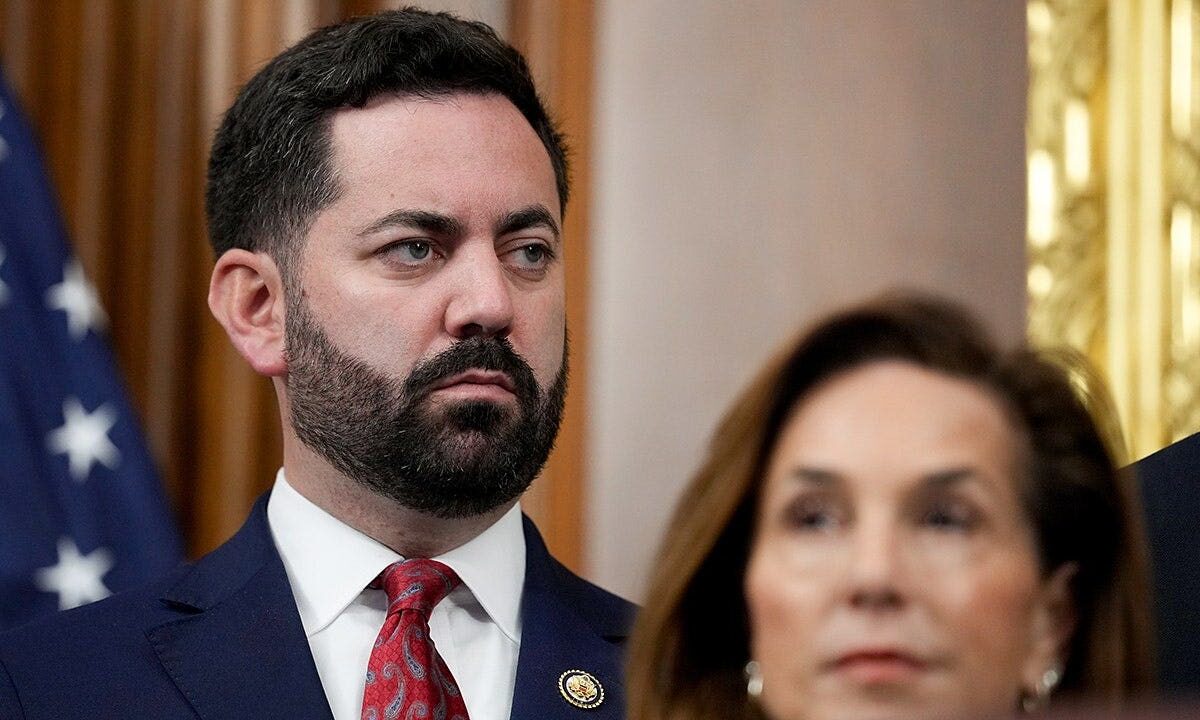
At a House Judiciary Committee hearing, Rep. Mike Lawler tied testimony about the death of Sheridan Gorman to broader concerns over sanctuary policies, prompting a heated on-record exchange with Rep. Jamie Raskin. Lawler opened by framing the witness testimony as evidence of what he described as policy failures, saying, according to Fox News coverage, “They can save me their crocodile tears about they didn’t like my words or they didn’t like the fact that I spoke on policy as part of my introduction. Grow the f— up.”
What happened at the hearing
The House Judiciary Committee convened to hear emotional testimony, including from Jessica Gorman, the mother of Sheridan Gorman. According to Fox News coverage of the session, members listened to accounts that raised questions about how local policies and federal immigration enforcement intersect.
Lawler used his allotted time to connect that testimony to sanctuary policies, arguing they can limit local cooperation with federal authorities. Coverage reports that the exchange escalated when Rep. Jamie Raskin pushed back, at one point shouting that Lawler did not belong on the Judiciary Committee and saying, according to the reporting, “get the hell out.” The back-and-forth became a focal point of the hearing coverage.
Lawler’s claims on sanctuary policies
Lawler repeatedly framed sanctuary policies as a contributing factor in specific criminal cases, including the killing of Sheridan Gorman. He told the committee, as reported by Fox News, that “Sheridan Gorman would still be alive, but for open borders, sanctuary policies and pro-criminal cashless bail policies.” The piece treats that line as Lawler’s interpretation and attribution rather than an independently verified causal finding.
Pressing the policy argument, Lawler also said Democrats “didn’t want to hear what happened with Sheridan Gorman or that their policies that they support contributed to her death. That’s a fundamental fact,” according to the coverage. Those statements are presented here as Lawler’s assertions during the hearing.
Lawler told reporters he had, according to the reporting, “no tolerance” for partisan posturing while witnesses sat through the proceedings, and he urged colleagues to recognize links between witness testimony and policy choices rather than dismiss them as rhetoric.
Raskin’s response and committee clash
Rep. Jamie Raskin forcefully disputed Lawler’s characterization, arguing — per hearing coverage — that compelling local police to carry out federal immigration enforcement raises constitutional concerns and could amount to federal overreach. The exchange turned personal and loud: Raskin told Lawler, in the words reported by Fox News, that Lawler did not belong on the Judiciary Committee and ordered him to “get the hell out.”
The disagreement underscored partisan tensions on the committee: Republicans framed sanctuary policies as hindering public-safety cooperation with federal law enforcement, while Democrats defended such policies as safeguards against federal intrusion into local policing priorities.
Why this matters for the immigration debate
This hearing highlights the broader national debate over immigration enforcement and the role of local jurisdictions. Lawmakers and advocates disagree about whether sanctuary policies protect communities and civil liberties or whether they impede cooperation with federal agencies like Immigration and Customs Enforcement (ICE) and create public-safety risks.
On the House Judiciary Committee, those policy disagreements have legislative implications: hearings like this can shape narratives and influence momentum for bills that would alter federal funding, expand enforcement powers, or further restrict local assistance to federal immigration authorities.
What comes next
Expect continued committee scrutiny and likely follow-up hearings that revisit the intersection of criminal cases, immigration policy and local-federal cooperation. Lawmakers may use quotes and testimony from this hearing in floor debates, press releases and future markups. Legal and policy advocates will continue to dispute whether sanctuary policies primarily pose public-safety risks or serve as constitutional restraints on federal authority.
Source attribution and reporting note
This account is based on Fox News coverage of the House Judiciary Committee hearing and on statements made on the record during the session. Assertions that link sanctuary policies to specific criminal outcomes are presented as claims or interpretations made by Rep. Mike Lawler and other participants and were reported by Fox News; they have not been independently verified by The Nonstop News.
Source: Fox News — full coverage and video of the hearing are available at: https://www.foxnews.com/politics/watch-lawler-unloads-raskin-after-fiery-immigration-hearing-grow-f-up. Expect additional committee activity and potential follow-up hearings on immigration enforcement and local-federal cooperation.
Frequently asked questions
What did Rep. Mike Lawler accuse Democrats of?
Lawler accused House Democrats of defending sanctuary policies and said, according to Fox News coverage, that those policies contributed to the death of Sheridan Gorman — a claim he made during his remarks and in subsequent comments.
How did Rep. Jamie Raskin respond at the hearing?
Raskin pushed back sharply, arguing that compelling local police to enforce federal immigration laws raises constitutional concerns. Coverage reports he told Lawler he did not belong on the Judiciary Committee and ordered him to “get the hell out.”
What are sanctuary policies and why are they controversial?
Sanctuary policies generally limit local agencies’ cooperation with federal immigration enforcement. Supporters say they protect community trust and prevent local law enforcement from being used for federal immigration purposes; critics contend they hinder federal-local cooperation and can create public-safety challenges. The hearing reflected those competing views.