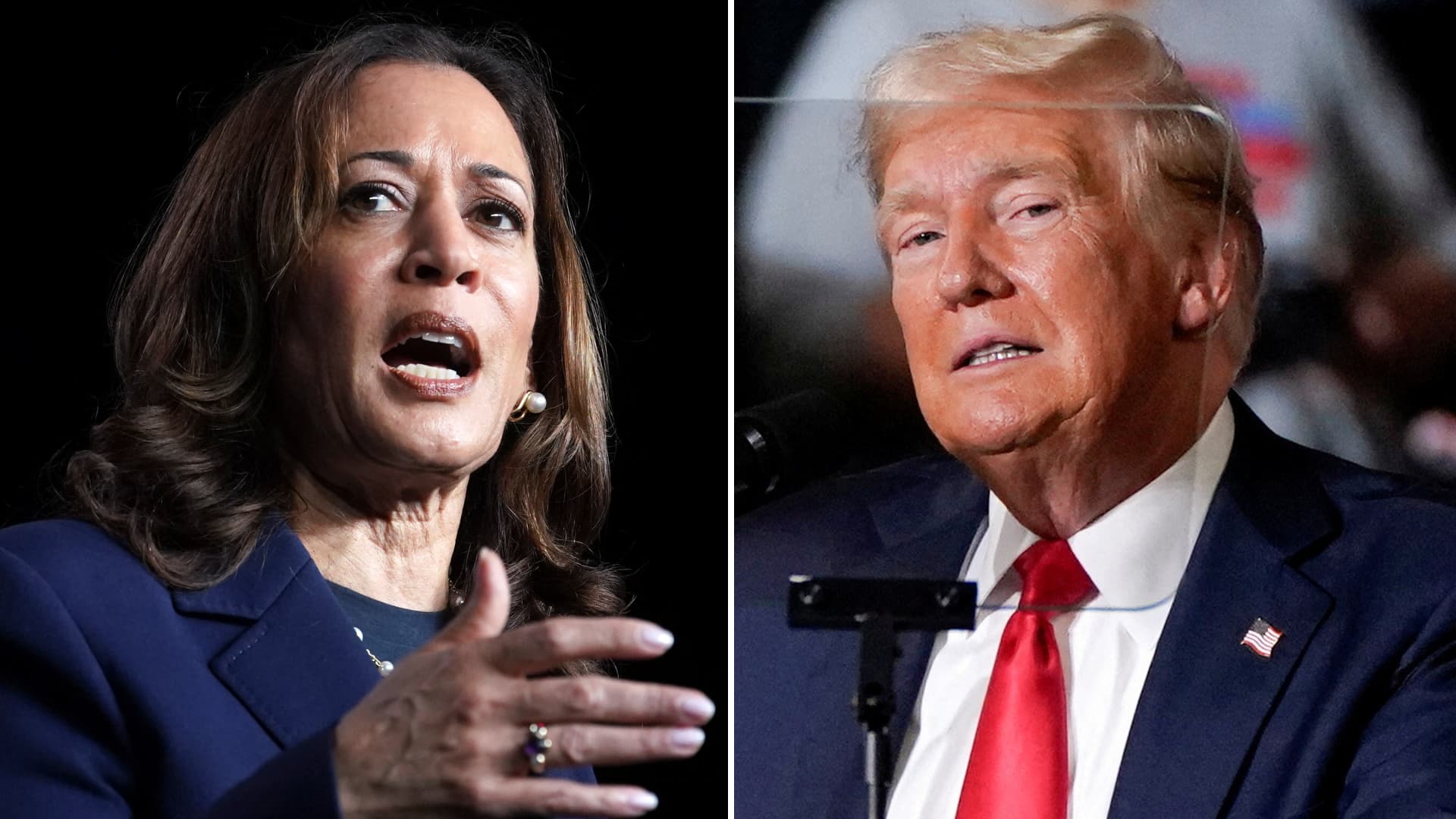
Vice President Kamala Harris Pledges to Eliminate Taxes on Tips in Service Industry
Vice President Kamala Harris recently made a bold pledge to eliminate taxes on tips in the service and hospitality sectors if she were to win the presidency. This proposal mirrors a similar announcement made by former President Donald Trump, highlighting the importance of this issue in the current political climate.
Both Harris and Trump unveiled their plans for tax-free tips at separate rallies in Las Vegas, a strategic move to capture the attention of voters in Nevada, a crucial battleground state. The hospitality industry in Nevada employs approximately a quarter of the state’s workforce, as reported in June employment numbers, making this proposal particularly relevant to the region.
During her rally in Las Vegas, Harris emphasized her commitment to supporting working families by raising the minimum wage and ensuring that service and hospitality workers are not taxed on their tips. The proposal came shortly after the Culinary Workers Union, a prominent labor group in Nevada, endorsed Harris, underscoring the importance of this issue to the workforce.
Trump, quick to claim credit for the idea, took to social media to accuse Harris of plagiarism, referring to her as a “COPYCAT” for adopting his proposal. Despite the political back-and-forth, implementing a tax-free tip policy would require new legislation and approval from Congress, a point acknowledged by a Harris campaign official.
Concerns have been raised about the potential impact of eliminating taxes on tips, including a significant loss in federal revenue estimated at between $150 billion and $250 billion over the next decade, according to the Committee for a Responsible Federal Budget. Critics argue that such a policy may not effectively target low-income workers and could lead to unintended consequences, such as employers manipulating the system to their advantage.
Economists caution that a tiered approach to tax-free tips could create disparities among low-income workers, ultimately benefiting only a select few. Ernie Tedeschi, economics director at Yale University’s Budget Lab, highlighted the potential for employers to exploit the system by encouraging more tipping instead of increasing wages.
The debate over taxing tips in the service industry underscores the complexities of economic policy and the need for thoughtful solutions to address the needs of workers while maintaining fiscal responsibility. As the presidential campaign progresses, the discussion around this issue is likely to evolve, shaping the future of the service and hospitality sectors in the United States.