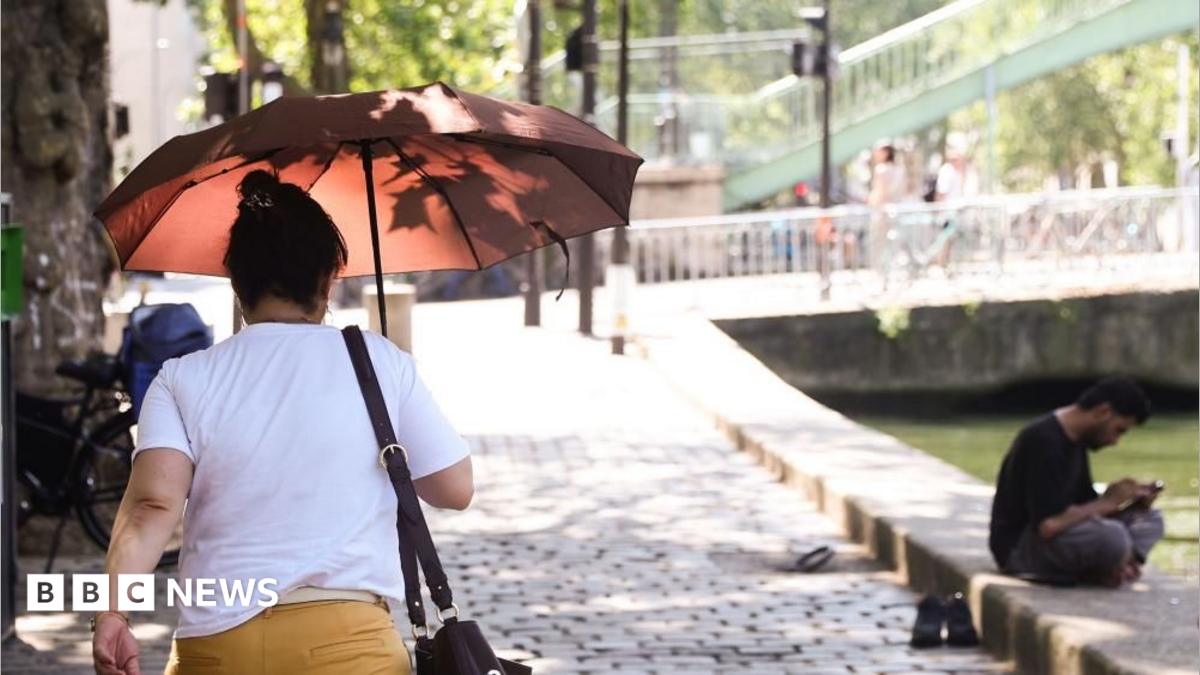
France recorded 2,025 excess deaths at the peak of a heatwave, BBC News reported in its coverage of official data and forecasters’ warnings. The BBC article, cited below, places that toll at the centre of concern as meteorologists warn of further extreme temperatures across parts of Europe in the coming days. Read the BBC report here: BBC News.
France heatwave death toll at peak
The figure of 2,025 excess deaths represents the number of fatalities above an expected baseline during the period identified at the event’s peak, as reported by BBC News. The BBC coverage draws on official tallies and highlights that excess-death measures differ from confirmed heat-related death counts because they compare observed deaths with statistical expectations for the same time of year.
Officials often revise excess-death totals as more records are processed and methods clarified. The BBC story makes clear the number signals a substantial short-term increase in mortality during an intense hot spell, and it is presented alongside warnings from meteorological services about further high temperatures across Europe.
Forecasts and short-term risks
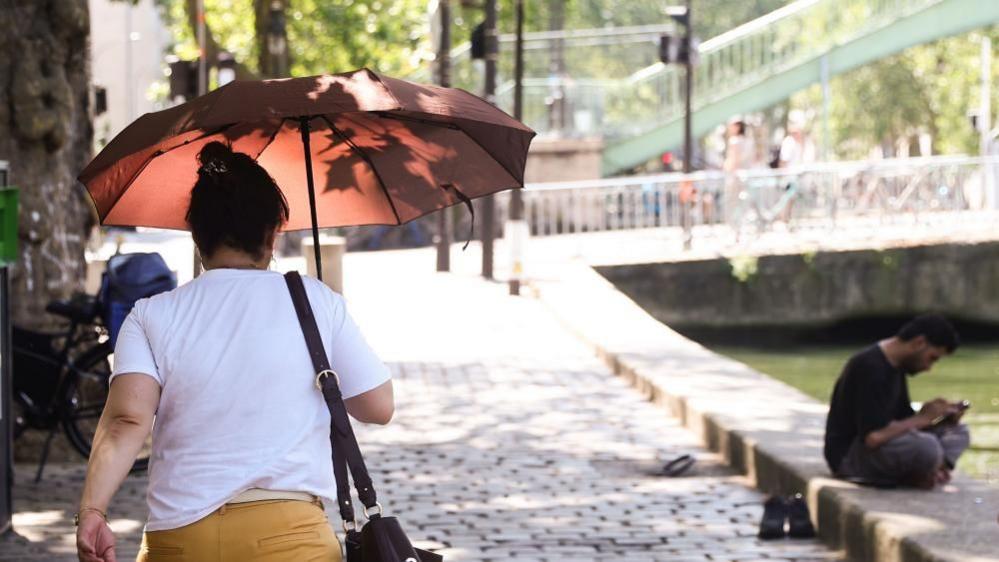
Forecasters cited by BBC warn of further extreme temperatures across the continent in the immediate term. Models and short-range outlooks indicate sustained heat episodes that can push local temperatures well above seasonal averages in affected areas, increasing the risk of heat stress and heat-related illness.
Short-term risks from additional warming include dehydration, heat exhaustion and heatstroke, particularly when high temperatures persist overnight and reduce opportunities for recovery. Prolonged heat can also strain infrastructure: transport networks may face service disruptions, roads and rail lines can buckle or require speed restrictions, and energy systems may be pressured by higher cooling demand.
Who is most at risk and why
Heat-related deaths and serious illnesses are most likely among older adults, people with chronic medical conditions (such as heart or respiratory disease), and those who live alone or are socially isolated. The BBC coverage reiterates that these vulnerable groups bear a disproportionate share of heat impacts during intense events.
Workers who must be outdoors for long periods — for example in construction or agriculture — also face elevated risk because of prolonged sun exposure and physical exertion. Urban areas commonly amplify heat through the urban heat island effect, where concrete and asphalt retain heat and limit cooling overnight, increasing exposure for residents without access to cooling.
Practical steps people should take now
Public health guidance during a heatwave focuses on keeping people cool, hydrated and monitored. The following practical measures can reduce immediate risk during the ongoing France heatwave and similar events:
- Stay hydrated: drink water regularly throughout the day, even if you do not feel thirsty, and avoid alcohol and heavy caffeine when temperatures are high.
- Keep living spaces cool: close curtains or blinds during the hottest hours, use fans or air conditioning where available, and ventilate when outdoor temperatures drop in the evening.
- Avoid strenuous activity in the hottest part of the day; if work or exercise is necessary, take frequent breaks in the shade and plan physically demanding tasks for cooler times.
- Know the signs of heat illness: dizziness, confusion, fainting, very high body temperature, rapid pulse and vomiting can indicate heatstroke — seek immediate medical help if these occur.
- Check on vulnerable people: call or visit older neighbours, relatives and those with chronic health problems who may be less able to keep cool or recognise worsening symptoms.
- Follow official weather and health advisories from local authorities and national meteorological services; they will issue warnings and practical instructions tailored to local conditions.
What comes next
Meteorological services will continue to monitor the situation and issue short-range forecasts and warnings where necessary. As the BBC notes, weather predictions can change quickly, so residents in affected regions should keep abreast of updates from trusted national and local services rather than relying solely on broad outlooks.
Counts of excess deaths are also subject to revision as civil registration data are completed and methods are clarified; the 2,025 figure reported by BBC describes a measure of mortality above a baseline at the peak of the event, not a line-by-line cause-of-death accounting. Officials may refine the tally as they reconcile records and apply statistical adjustments.
Source attribution
This article summarises reporting by BBC News: “France records 2,025 excess deaths at peak of heatwave as Europe braces for more extreme weather”, published 2026-07-03. For the original reporting and further updates, see the BBC News article: https://www.bbc.co.uk/news/articles/c3ry307rxqro?at_medium=RSS&at_campaign=rss.