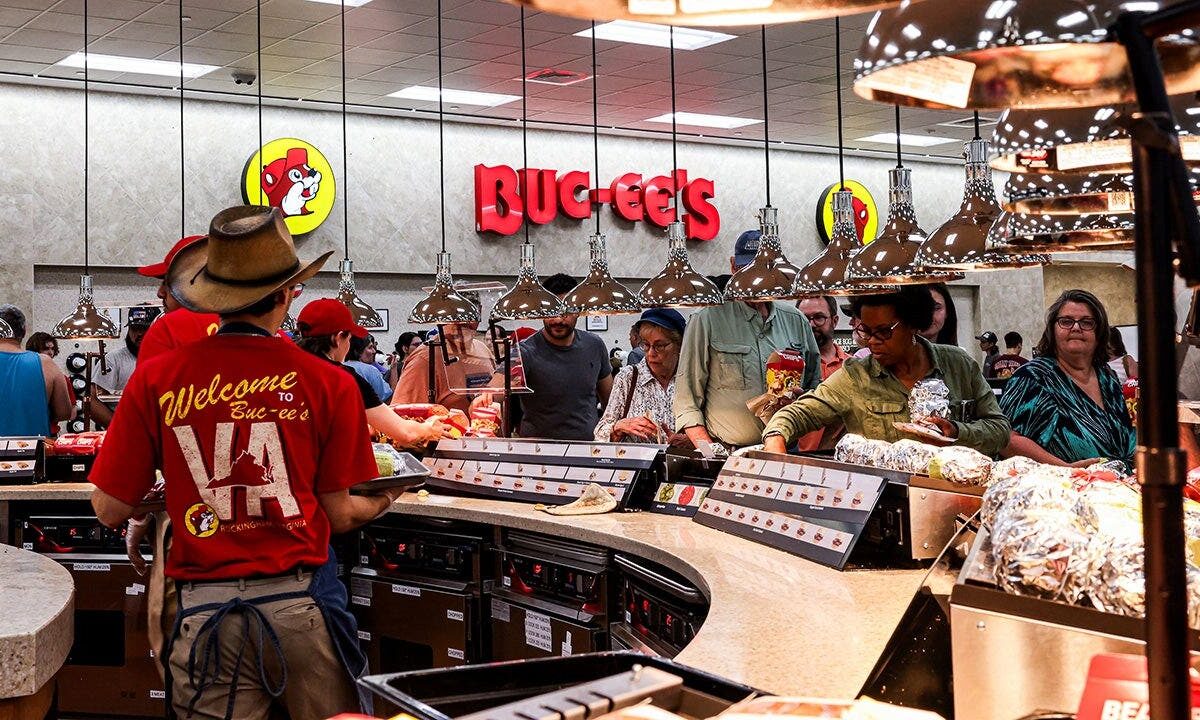
The author of a recent opinion column argues that “Commie Dems” — a partisan label used in the piece — threaten many of the ordinary consumer comforts that have impressed World Cup tourists in the United States. That claim ties everyday experiences such as cheap gas, big-box retail and wide availability of air conditioning to a broader political debate about the direction of the Democratic Party.
What World Cup tourists praise about America
Visitors from Europe are described in the column as marveling at plain consumer conveniences: comparatively low pump prices on many long-haul American highways, sprawling discount retailers such as Walmart and Costco, regional stops like Buc-ee’s, ubiquitous air conditioning in public spaces, and extras such as free drink refills that strike some foreign visitors as unusually generous.
The original column frames these details as examples of what the author calls the “blessings of capitalism” — everyday amenities that, the author says, create a sense of wonder for travelers used to different norms in parts of Europe. Those descriptions are presented as anecdotal and rhetorical rather than as empirical survey findings.
Commie Dems and the shopping debate
What “Commie Dems” would change for shoppers
The column links the label “Commie Dems” to policy ideas the author attributes to Democratic Socialists and some progressive officials. Chief among the measures discussed are congestion pricing and other urban policies intended to reduce private car use.
The author points to thermostat guidance (for example, recommendations to set thermostats near 78 degrees during extreme heat) and characterizes such guidance as a potential limit on air-conditioning comfort in some public settings. Similarly, the piece suggests that stronger climate and electrification policies could change the economics of gasoline and long-distance driving.
Crucially, the column reports an assertion that Democratic Socialists, if they gained national power, would effectively eliminate major discount retailers like Walmart. That specific outcome is presented as the author’s claim or interpretation; it is not documented in the column as a detailed, enacted nationwide policy proposed by the named officials.
Named figures and examples cited in the piece
The column names several public figures and movements to illustrate its critique. The article identifies these people and attributes the following assertions to the author:
- Darializa Avila Chevalier — presented as an example of a rising candidate on the left.
- Zohran Mamdani — referenced as a left-leaning New York official whose thermostat guidance is cited.
- Melat Kiros — named among candidates described as part of a Marxist trend.
- Abdul El-Sayed — likewise cited as an example of the broader left-leaning wave in local and state politics.
- Charlie Bucket — used metaphorically to describe visitors’ amazement at American consumer abundance.
- Marxists / Democratic Socialists of America — used as umbrella labels for the political tendencies the author criticizes.
The piece uses those names to build a narrative linking certain policy priorities to everyday consumer experiences. Readers should note that many of the connections drawn are interpretive: the column attributes intentions and likely outcomes to these figures as part of its opinion argument, rather than citing comprehensive policy platforms or enacted legislation that would directly produce the listed effects.
What this means for everyday consumers
Translating the author’s claims into consumer-facing possibilities: congestion pricing and reduced private car use could make some city trips more expensive or less convenient for drivers, particularly in central business districts. That would likely affect urban commutes and certain local errands more than interstate road trips, but the column emphasizes a broader cultural change in Americans’ mobility habits.
Energy and climate policies that prioritize electrification and emissions reductions could shift long-run transport economics. The opinion piece argues this would reduce reliance on cheap gasoline and alter pricing dynamics for fueling long trips; however, such outcomes depend on specific policy designs, timelines, and market responses and are presented in the column as author interpretation rather than established fact.
Thermostat guidance in public buildings or transit hubs may change short-term expectations about indoor cooling during extreme heat events, but any binding limits on home air conditioning would typically require local or state regulations; the column treats the thermostat example as illustrative of policy preferences rather than proof of impending nationwide restrictions.
Claims that land-use or retail-focused regulations would eliminate Walmart-style retailers are speculative in the column. Changes to retail footprints are more commonly incremental and often driven by economics, zoning, development incentives, and consumer demand—factors that the author links to political ideology as part of an argument, not as independently verified predictions.
Source attribution and caution on claims
This analysis is based on an opinion column by DAVID MARCUS published at Fox News. The original piece uses charged labels such as “Commie Dems” and “Marxists” and advances several claims about what specific politicians or movements would do if they obtained national power. Those labels and many of the cause-and-effect connections are rhetorical and presented as the author’s viewpoint.
Readers should treat assertions about eliminating nationwide retail chains, definitive nationwide policy outcomes, or broad economic causation as the author’s interpretations unless corroborated by independent reporting or by specific policy proposals from the named individuals or groups. Local measures such as congestion pricing have been enacted in limited places, but nationwide adoption would require a series of separate legislative or regulatory steps.
Source: DAVID MARCUS, Fox News. Original column: https://www.foxnews.com/opinion/david-marcus-commie-dems-destroy-everything-world-cup-fans-love-america
In plain terms for consumers: if cities expand congestion pricing and jurisdictions accelerate electrification, travelers could face higher city driving costs and different fueling patterns over time. Whether those changes materialize nationally and how quickly depends on policy choices, market shifts, and electoral outcomes — points the column asserts but does not independently verify. Watch for concrete bills, regulatory proposals, and local pilot programs if you want to track how these debates might translate into everyday costs and conveniences.