Quick summary
The American Music Fairness Act is a bipartisan proposal to create a limited performance right for sound recordings played on AM and FM radio. Country singer Lee Greenwood urged passage in a Fox News opinion piece, and public sponsors include Sen. Marsha Blackburn and Rep. Darrell Issa. This article summarizes that Fox News opinion and flags claims presented there as opinion or reported allegations rather than independently verified facts.
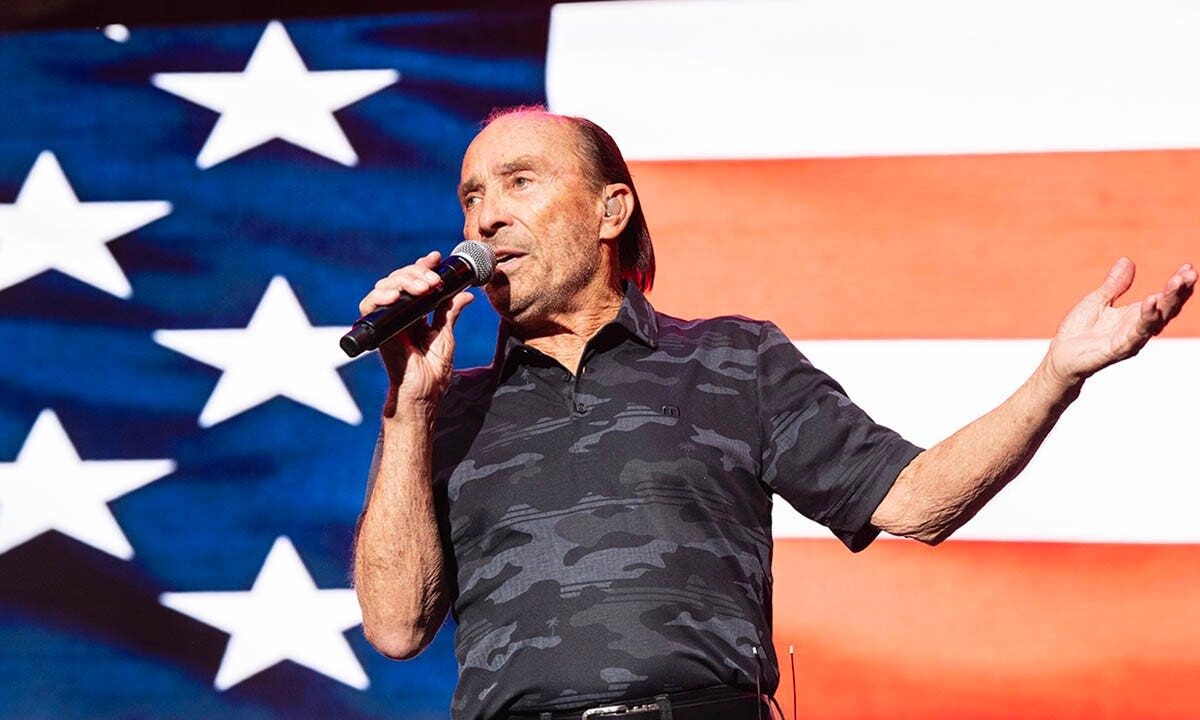
Lede: Lee Greenwood, best known for writing “God Bless the U.S.A.,” is urging Congress to pass the American Music Fairness Act to require major AM/FM broadcasters to pay performers when sound recordings are played over the air. Greenwood and other backers say the bill would close a century‑old gap that leaves session musicians, backup singers and some recording artists uncompensated for traditional radio plays — while protecting small independent and community stations with a low daily fee. Sponsors named in public descriptions include Sen. Marsha Blackburn (R‑Tenn.) and Rep. Darrell Issa (R‑Calif.).
How U.S. radio royalties work now
Today, U.S. law generally requires radio broadcasters to pay songwriters and publishers for public performances of compositions. By contrast, most AM and FM radio stations do not pay performing artists or session musicians for the underlying sound recordings when those recordings are played over the air. Advocates refer to this gap as the AM/FM loophole.
The Music Modernization Act of 2018 updated payment rules for streaming and digital platforms, creating new pathways for recording artists and some rights holders to receive royalties. That law did not create a parallel performance right for terrestrial AM/FM broadcasts, leaving a different compensation landscape for over‑the‑air radio.
What the American Music Fairness Act would do
The American Music Fairness Act would establish a limited public performance right for sound recordings on AM and FM radio. Under public descriptions of the bill, large commercial broadcasters would pay performance royalties to performers and session musicians, while small and independent local stations would be exempted by paying a nominal daily fee to allow unlimited play.
Proponents say the design targets major broadcast conglomerates while protecting community stations. The bill is publicly associated with sponsors including Sen. Marsha Blackburn and Rep. Darrell Issa; backers describe the approach as narrowly tailored to avoid undue burden on small outlets.
Arguments for and against
Proponents: Supporters including Lee Greenwood frame the measure as one of basic fairness, arguing that when recordings create commercial value through radio advertising, performers should receive a share. Greenwood and allies emphasize studio musicians and backup singers who rarely receive radio‑play royalties under current rules.
Opponents: Broadcasters and industry groups counter that terrestrial radio serves as promotion and free advertising for artists, driving record sales and concert ticketing. They warn that added fees could strain small stations or community service without careful calibration.
Allegations and reported claims: Claims that broadcast lobbyists spend millions to block reform, or that the European Union would withhold a specific sum (reported as $287 million) until the U.S. extends performer rights, appear in commentary and are reported here as allegations drawn from the Fox News opinion column. These points are presented as reported claims or opinion in the source, not independently verified facts.
What comes next in Congress and abroad
For the bill to become law it would need committee consideration, floor votes in both the House and Senate, and the president’s signature. Greenwood’s Fox News opinion specifically urged then‑President Trump to act, and that call is noted here as part of the source commentary.
Observers point to potential international consequences: some foreign collecting societies have withheld certain payments to U.S. performers pending U.S. policy changes. Those international figures and their dollar amounts are cited in opinion commentary and should be read as reported claims associated with the source, not independently confirmed totals.
Timing and prospects in Congress remain uncertain. Passage would require negotiating statutory language, exemptions for small broadcasters, and the administrative mechanism for collecting and distributing royalties to performers and session musicians.
Short background
Debate over a performer performance right for terrestrial radio goes back decades. The Music Modernization Act moved parts of U.S. music policy forward for digital services, and advocates say the AM/FM issue is an unfinished piece of that broader update. Congressional proposals and industry campaigns have periodically resurfaced as the market for music distribution evolves.
Frequently asked questions
What is the American Music Fairness Act and who sponsors it?
It is a bipartisan proposal to create a limited performance right for sound recordings on AM and FM radio. Publicly cited sponsors in commentary around the bill include Sen. Marsha Blackburn (R‑Tenn.) and Rep. Darrell Issa (R‑Calif.).
Would small local stations face large new fees under the bill?
Backers say the bill would exempt small and independent broadcasters by allowing an affordable daily fee for unlimited music. Exact fee levels would be determined in legislative negotiations if the bill advances.
When could performers start receiving payments if the bill passes?
Distribution timing would depend on statutory implementation, licensing agreements and the work of collecting organizations. Supporters say payments could begin once collection mechanisms are set up, but precise timelines would vary.
Source attribution
This article summarizes and cites a Fox News opinion column by Lee Greenwood titled “LEE GREENWOOD: Trump can help finish the fight Frank Sinatra started.” The points identified as claims (including dollar figures and lobbying expenditures) are presented here as opinion or reported allegations drawn from that Fox News opinion piece, not as independently verified facts. Original source: https://www.foxnews.com/opinion/lee-greenwood-trump-help-finish-fight-frank-sinatra-started