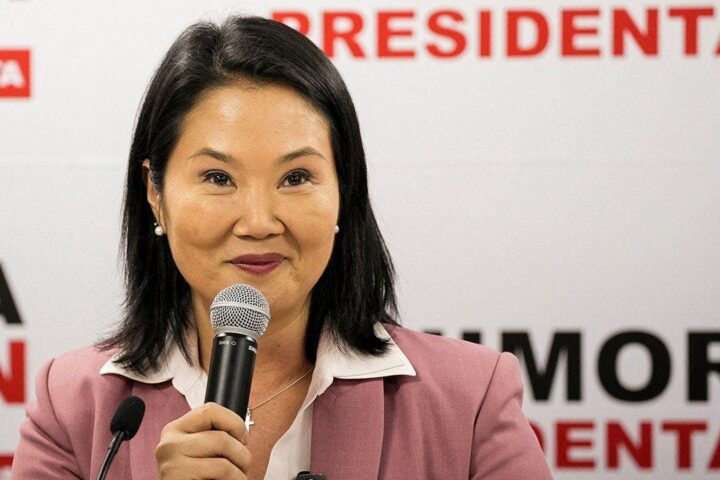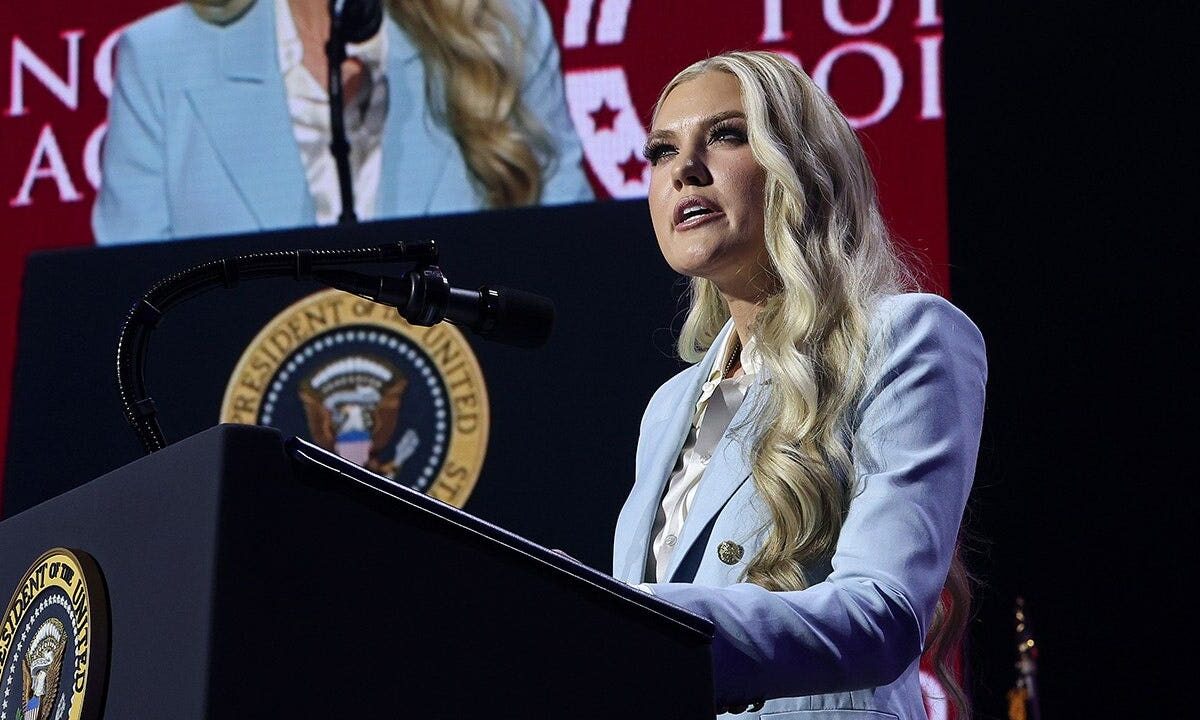
Erika Kirk responded on X to a New York Times opinion newsletter that cited her remarks about marriage and children, saying the piece misrepresented her views and reduced family life to finances and careers. Kirk wrote that the newsletter “completely misses the point,” arguing that money and career do not provide ultimate fulfillment and that her comments were framed in a way that misses their nuance.
Her reply followed a New York Times newsletter by Jessica Grose, titled “The Gap Between the Families We Have and the Ones Conservatives Want,” which referenced Kirk’s remarks at a Hillsdale College event. The exchange underscores how remarks by public speakers can be folded into broader cultural critiques about timing, family size and economic pressures.
What Erika Kirk said
Kirk’s public post on X insisted the newsletter misrepresented her remarks and framed family decisions primarily through a financial lens. She wrote that the piece was “laced with viewing family through the lens of money and career.”
In recounting her Hillsdale comments, Kirk said she favors marrying relatively young — writing, as she has put it, “marry young, not rushed, but young.” She noted she was married in 2021 at age 32 and that her husband was 27 at the time, and added that she wishes she and her husband had met and started a family earlier.
The newsletter also reported a line attributed to Kirk’s husband: “Have more kids than you can afford.” Kirk pushed back on how that remark was presented, saying the framing omitted the broader point of her remarks — that delaying family formation solely until one reaches a particular income or lifestyle can be a problematic calculus for some people.
What the New York Times newsletter argued
Jessica Grose’s newsletter framed its argument around a perceived mismatch between the families some conservative speakers promote and the families most Americans create or prefer. Grose cited Kirk’s Hillsdale remarks and used them as an example of conservative messaging that encourages early marriage and larger families.
Grose placed those remarks in a wider context, referencing scholarship — including Stephanie Coontz’s work — to argue that marriage and family patterns change across time and culture. The newsletter questioned whether promoting a single prescriptive family model adequately accounts for modern economic realities and personal preferences.
Where they disagree and the factual anchors
The substantive disagreement is largely one of emphasis and framing. Kirk says her message discourages postponing family life because of a perfectionist financial calculus. Grose’s newsletter characterizes the rhetoric as out of step with the preferences and practical constraints many Americans face and highlights how some readers have reacted negatively to lines reported as advising couples to have more children than they can afford.
There are also differences in how statements are presented. Grose’s piece attributes certain lines to Kirk and separately reports a remark as coming from her husband. Coverage makes clear those lines are reported speech; they appear in the newsletter as attributions rather than independently confirmed quotations. That distinction — reported versus independently verified speech — is a standard journalistic caveat and is pertinent when remarks are folded into broader critiques.
Grose’s reliance on academic context — notably Stephanie Coontz’s For Better and Worse — serves as a factual anchor for her argument. Coontz’s scholarship is used in the newsletter to show how family structures and social expectations shift over generations, supporting the point that a single prescriptive model may not map cleanly onto current social realities.
Why this dispute matters
The exchange matters because it highlights the intersection of conservative messaging, influential platforms and mainstream media framing. Groups and speakers affiliated with conservative youth movements — some of which reach audiences through Turning Point USA platforms and campus events — can shape norms and expectations about marriage and family among younger conservatives.
How remarks are framed by media outlets affects public reaction: an offhand line presented without full context can be interpreted as prescriptive or insensitive, especially amid concerns about the rising cost of living, childcare and housing. The dispute also illustrates a recurring tension in public debates about family: whether to emphasize cultural or religious prescriptions, practical economic readiness, or personal choice and timing.
Source attribution
This report is based on Fox News Digital’s coverage of Erika Kirk’s response and Jessica Grose’s New York Times newsletter. The New York Times did not immediately return a request for comment. For the original coverage, see the Fox News Digital story linked below.
FAQ
Did Erika Kirk deny the reported quote about kids?
Kirk disputed the way her remarks were presented and pushed back on interpretations that she or her husband were advocating reckless childbearing. She said her broader point was that people should not postpone family formation solely until they hit a particular income threshold.
What did Jessica Grose cite in the newsletter?
Grose cited Kirk’s remarks at Hillsdale College and placed them alongside academic sources, including the work of Stephanie Coontz, to argue that promoting one model of family life may not reflect contemporary preferences or economic realities.
Has The New York Times responded to the pushback?
At the time of reporting, The New York Times did not immediately return a request for comment.
Fox News Digital: Erika Kirk hits back at NYT newsletter about marriage, kids