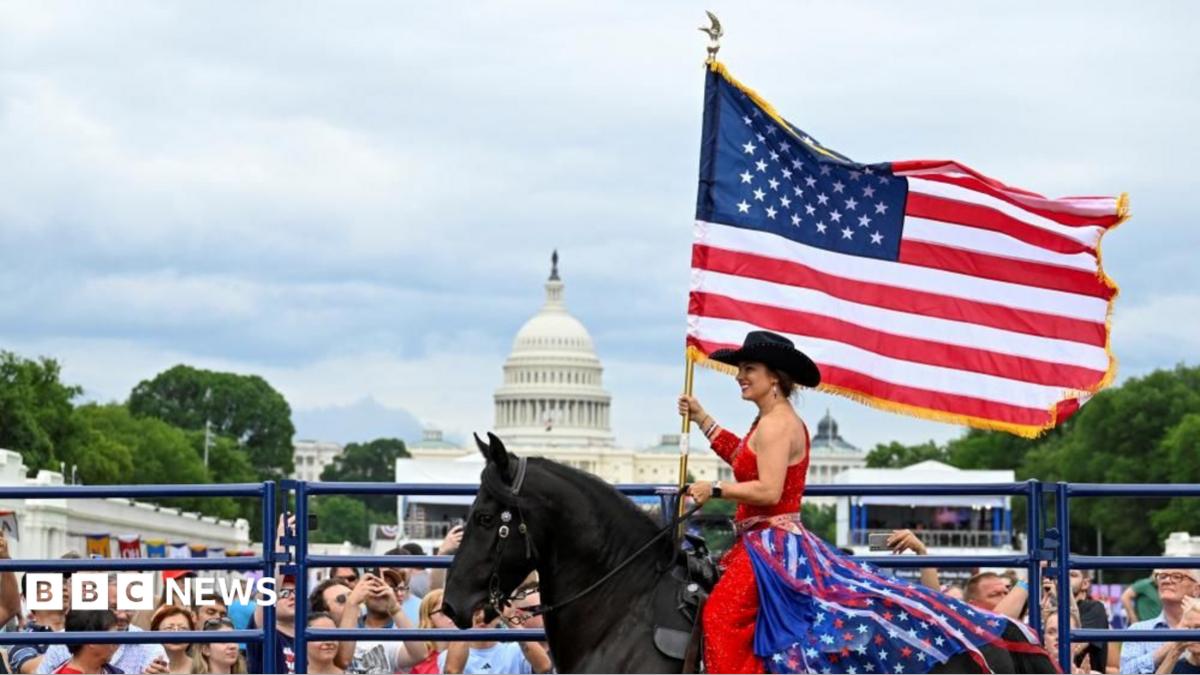
The US 250th celebrations in the capital are expected to be one of the largest single-night displays in recent memory. The US 250th celebrations will centre on an extensive fireworks programme, multiple aerial flyovers and a presidential address; BBC reporting says organisers plan about 850,000 fireworks for the display and that the event will feature extensive flyovers over the nation’s capital (BBC News).
- Event: US 250th celebrations in the US capital
- Planned fireworks: 850,000 shells (reported by BBC News)
- Features: multiple flyovers and a presidential speech
- Conditions: forecasts note scorching temperatures in the region (see BBC and National Weather Service advice)
US 250th celebrations: Fireworks and flyovers
Organisers told BBC News the evening’s pyrotechnic programme is being planned at very large scale, with around 850,000 fireworks scheduled to be launched across several locations in and around the US capital during the main display. The same reporting says the night will include a sequence of coordinated flyovers by military and ceremonial aircraft above central viewing areas (BBC News).
Officials have emphasised that the display is staged across multiple zones to manage crowds and sightlines; attendees should expect loud, sustained explosions and bright aerial effects. Access to close-in viewing areas will be controlled by security checks and designated spectator perimeters. Follow on-site signage and staff directions—do not attempt to move into restricted operational zones reserved for the pyrotechnics crew and aircraft operations.
Because the scale of the fireworks is large, organisers and local authorities advise allowing extra time for arrival and departure, and to pick a meeting point should you be separated from companions. Where official maps of viewing zones are published, use those to plan your location in advance.
Presidential speech and main addresses
The president is scheduled to speak as part of the evening’s programme. BBC coverage characterises the planned address as “really long,” a quoted description used by reporters on site; that phrasing was reported in BBC News coverage rather than tied to a precise duration (BBC News).
Because of the speech’s prominence, expect heightened security near the principal stages and official review stands. Media and press operations will be concentrated in specified zones, and some public viewing areas near the stage may be cordoned off. If you are attending in person, check the event’s official briefings and the organisers’ guidance for the latest on permitted vantage points and any access restrictions.
Weather, safety and what to expect
BBC reporting has flagged forecasts for scorching temperatures during the celebrations; attendees should plan for heat-related risks (BBC News). For the most up-to-date local and official advice on heat and related hazards, consult the National Weather Service and local public-health authorities before you travel. The NWS provides heat advisories and tips on staying safe in extreme heat—check their site or local NWS office for any active warnings.
Basic precautions recommended by public-health and emergency services include: carry and drink water frequently, wear light and breathable clothing, use sun protection, and take regular breaks in shaded or cooled locations. If you or someone with you has a medical condition that is sensitive to heat, consider avoiding the busiest times or using reserved seating/viewing areas where medical or cooling stations are available.
Large crowds combined with high temperatures increase the likelihood of medical calls and longer waits for emergency services. Organisers typically place medical tents, water stations and cooling points at strategic locations; locate these on arrival. If you see someone showing signs of heat exhaustion or heat stroke—extreme weakness, dizziness, confusion, or loss of consciousness—seek immediate medical help and alert event staff or emergency services.
Transport and travel will also be affected by the volume of visitors and any temporary road closures around the ceremonial core. Allow extra time for public transport, expect delays and follow local authority travel updates. If you must drive, park in authorised lots and be prepared for longer walking times to spectator zones.
How to watch and travel tips
If you plan to attend in the US capital, arrive early, agree a clear meeting point with companions, and follow posted access times and security checkpoints. Use official viewing zones and obey signage separating spectator areas from operational spaces. For disabled attendees, check the event’s accessibility guidance—designated areas are usually available but may require pre-registration.
If you prefer to watch remotely, major national broadcasters and many local outlets typically carry nationally significant ceremonial events live. BBC News referenced official streams and broadcaster arrangements; organisers often publish an authorised livestream on the event’s official channels. Confirm broadcaster schedules and the official stream link ahead of the event to avoid unofficial or unreliable sources.
For those travelling into the capital by public transport, allow additional time for queues, bag checks and possible reroutes. Keep an emergency kit with water, sun protection, essential medicines and a charged phone. Consider checking the National Weather Service for the latest forecast and any heat advisories, and local transit agencies for planned service changes or crowd-management measures.
Quick takeaways
- BBC reporting says organisers plan about 850,000 fireworks and multiple flyovers over the US capital during the US 250th celebrations.
- The presidential address is described in BBC coverage as “really long” (reported phrasing; see source below).
- Forecasts note scorching temperatures—check the National Weather Service and local advisories; prioritise hydration and cooling, and allow extra travel time.
Source and credits: Primary reporting on event scale, the 850,000 fireworks figure and the characterisation of the speech is by BBC News. Read the original BBC coverage for full context: https://www.bbc.co.uk/news/articles/cp36l4e6v9po?at_medium=RSS&at_campaign=rss. For official weather, heat-advisory guidance and local warnings, consult the National Weather Service (https://www.weather.gov/) or your local public-health and emergency-management offices.
What comes next: Check the event organiser’s official webpages and local authority feeds for last-minute changes to viewing zones, transport notices and any active weather advisories before you leave for the celebrations.