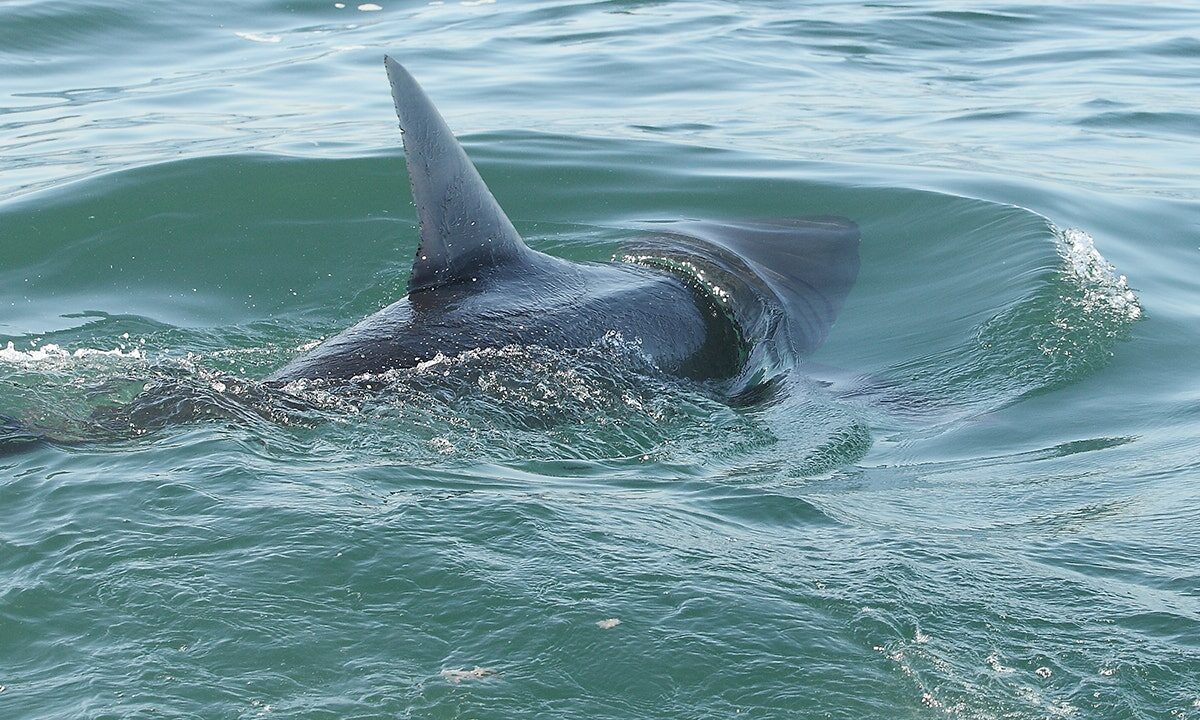
Shark sightings have increased along several U.S. beaches in the past 24 to 48 hours as holiday crowds prepare for Fourth of July weekend. Shark sightings reported in Florida, New York and parts of the Northeast prompted temporary swim advisories and extra monitoring, though marine scientists and local officials say the risk of a bite remains low for most beachgoers.
The latest reports — and local responses — are concentrated on popular shorelines where swimmers and surfers plan to be over the holiday. Officials and marine scientists are urging the public to follow posted lifeguard guidance while keeping the broader context in mind: encounters rarely lead to injury.
Sighting update: where shark sightings are rising
Recent reported activity has been concentrated from Florida up into New England. Local reports and seasonal patterns put New Smyrna Beach, Florida, among higher‑activity spots. Other areas cited in recent coverage include North Carolina’s Outer Banks, Cape Cod and parts of Rhode Island, Connecticut and Maine.
On Long Island, Town of Hempstead officials reported that lifeguards spotted a roughly 9‑foot shark; that remains a reported claim pending formal confirmation by local authorities. Separately, Fox 5 reported that a swimmer was bitten at Jones Beach after red‑flag warnings were posted; that account is being treated as a reported claim and is under investigation by local emergency personnel (Fox 5, local officials).
How risky are shark bites
Marine biologist Mike Heithaus, Ph.D., of Florida International University told Fox News Digital that shark bites remain extremely uncommon even during busy summer weekends. “Shark attacks are still extremely rare,” he said, adding that most sharks ignore people rather than interact with them.
Researchers point to several reasons for increased reports in some places: warming coastal waters and recovering seal populations in parts of the Northeast can draw larger sharks farther north than in past decades. Reporting in The Wall Street Journal has noted those factors — warming waters and seal rebounds — as contributors to shifting shark distributions. Experts emphasize, however, that more sightings do not automatically mean a substantially higher risk of a bite for the average swimmer.
Safety tips for Fourth of July beachgoers
Beach safety guidance is straightforward and meant to reduce any remaining risk while allowing people to enjoy the water. Key, short actions to follow today include:
- Swim near lifeguards and obey posted flags and warnings.
- Stay close to shore, especially when beaches are crowded or visibility is low.
- Avoid murky water and steer clear of areas where people are fishing or where large schools of fish are visible.
- Avoid swimming at dawn or dusk when sharks and other marine life are more active.
- If you see a shark, calmly exit the water and notify lifeguards or beach staff immediately.
Heithaus specifically recommends avoiding fishing areas and noticeable fish schools, which can attract larger predators. Lifeguards and local officials say following these steps will minimize encounters and help keep holiday plans on track.
Local monitoring and reported incidents
Municipalities and beach operations have ramped up monitoring and communications in response to recent reports. City and county officials credited lifeguards, drone surveillance and emergency management teams in several cases with spotting sharks quickly and alerting swimmers. Where sightings occur near popular swimming areas, officials commonly post red flags, temporarily clear water zones and increase patrols.
At Jones Beach and nearby Point Lookout, lifeguards posted red flags after a large shark was reported; the swimmer bite reported to Fox 5 is under investigation and remains a reported claim. Town of Hempstead officials’ report of a roughly 9‑foot shark is likewise presented here as a reported claim pending confirmation. Drone footage, lifeguard observations and public advisories are the primary tools local authorities are using to assess risk and decide when to close swim zones.
What comes next
Expect continued, close monitoring over the holiday weekend. Lifeguards will maintain flagging systems and may temporarily restrict or close swimming areas if sharks are sighted near swimmers. Local emergency management and park officials typically provide updates via beach signage and local media; beachgoers should check municipal advisories before heading out and follow instructions from lifeguards on duty.
For most people who follow basic precautions — swimming near lifeguards, avoiding low-visibility conditions and steering clear of fishing activity — experts say the odds of being bitten remain very low.
Source notes
This update draws on coverage from Fox News Digital and local reporting, including a Fox 5 account of the Jones Beach incident. A Wall Street Journal article cited in recent coverage is the source for reporting on warming waters and seal rebounds that may be influencing shark distributions. Where indicated above, specific local claims (for example, the Jones Beach bite and the Town of Hempstead report of a 9‑foot shark) are treated here as reported claims pending formal confirmation by local authorities.
Source: Fox News Digital. Additional reporting referenced from The Wall Street Journal and local Fox 5 coverage.
FAQ
Are shark bites becoming common?
No. Experts including Mike Heithaus say bites remain extremely uncommon. While sightings may rise in certain areas due to environmental changes or prey movements, most encounters do not result in bites.
What should I do if I see a shark while swimming?
Calmly leave the water and alert a lifeguard or beach official. Avoid thrashing or panicked movements and warn other swimmers. Lifeguards can determine whether to post flags or temporarily clear the water.
Which beaches have had recent reported sightings?
Recent reporting has mentioned New Smyrna Beach, parts of the Outer Banks, Cape Cod, and parts of the Northeast including Rhode Island, Connecticut and Maine. Local reports on Long Island — including Jones Beach and Point Lookout — were also cited in regional coverage.