On the Fourth of July we do more than light fireworks; we hold a mirror up to how far this country has come. In this Screencaps-style column, Anna Paulina Luna and a chorus of reader emails sketch a holiday that still centers on the Declaration of Independence while wearing the attire of 2026: drive-thru coffee, streaming playlists and the hum of satellites far above.
Fourth of July now and then
The phrase “Fourth of July” still summons parades, flags and the language of liberty, but the setting has changed. Where the men who debated independence gathered in a Philadelphia room, many Americans will celebrate in cul-de-sacs, backyards and beaches — often with a smartphone in hand and a coffee from a drive-thru.
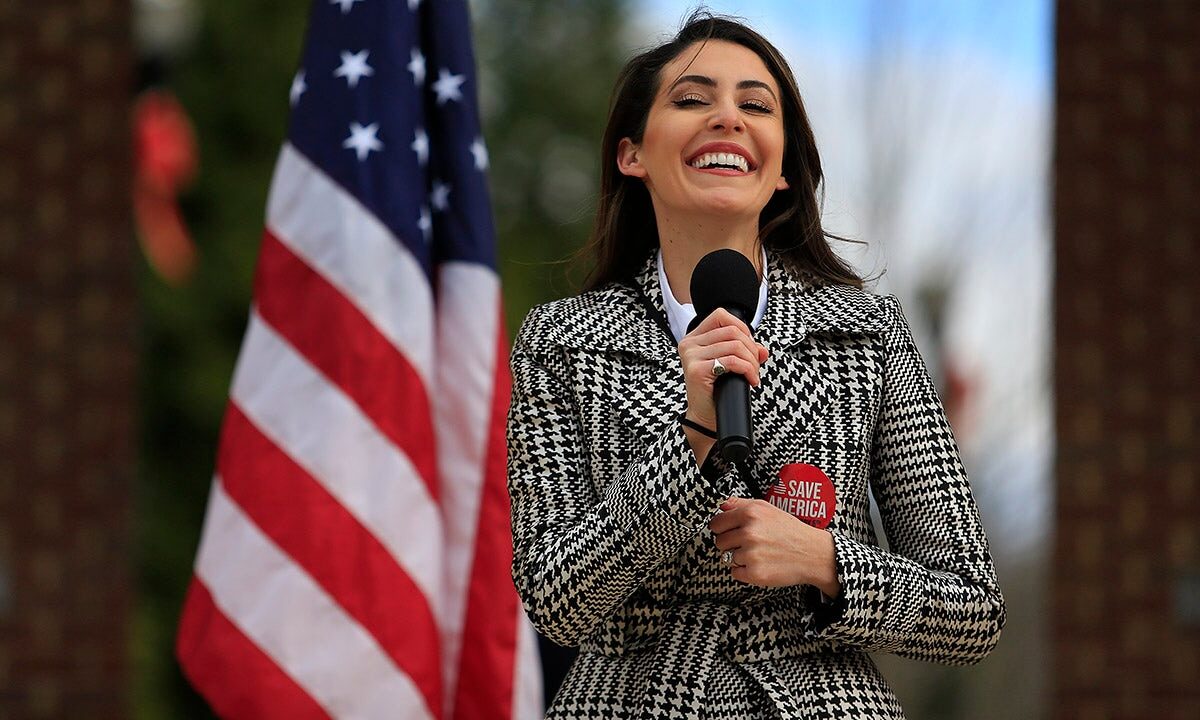
That mix of reverence and routine is the tone Screencaps leans into: a reminder that historic principles can survive odd modern trappings. Anna Paulina Luna’s brief holiday message — part cheer, part challenge — is the kind of civic nudge that prompts readers to send their own small testimonies of what the day means.
What July 4, 1776 looked like
Screencaps and contemporary accounts emphasize the ordinary details of that summer morning. Delegates to the Continental Congress were gathered early; some records indicate proceedings began around 9 a.m. The heat was noticeable — reports contemporarily described roughly 76 degrees — and inconveniences such as horseflies were specifically mentioned. Men wore heavy wool coats and silk stockings despite the summer weather.
Those details matter because they humanize the founders. They were not abstract figures on a page but people making consequential decisions amid discomfort and distraction. I attribute these particulars to the Screencaps summary of historical accounts; contemporaneous diaries and letters commonly provide the texture that modern retellings borrow.
Small modern moments that show big change
Fast-forward 250 years and the day is full of inventions the 1776 delegates could not imagine. The changes are often banal but revealing.
We grab Starbucks from a plastic cup while idling in a drive-thru lane, a convenience that signals a national appetite for speed and standardized tastes. Parents pile kids into a Honda Odyssey for a short parade route — the minivan is the practical descendant of older communal travel, but it represents a different economy and lifestyle.
Information delivery has transformed: radios and phones now rely on satellites to beam playlists and news across the globe. Someone can send a text to a friend in Great Britain from their couch and get an immediate reply, a small exchange that would have been impossible in 1776.
Many backyard fireworks are manufactured overseas, and beverages like Bud Light are part of multinational supply chains. Those facts are not an indictment of patriotism so much as a reminder that economic globalization has wrapped the holiday in trade and technology.
Reader voices and quotes
What gives this piece an immediacy is the steady current of reader emails. They provide local color and reveal how people translate national symbolism into personal routines.
– Marty H. writes: “Back it up, Terry.” It’s short, combative and meant to rally — a reminder that holidays can be a platform for political pushback as well as for celebration.
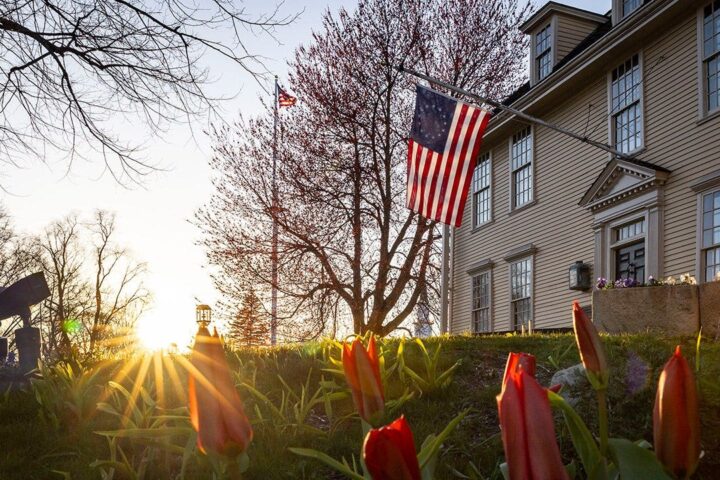
– Adam in Sidney, Neb., emails: “Stars and Stripes. The #3, and taking pride in your yard. Hope the guys who built this house in 1943 would be proud.” Adam’s note ties community memory to civic ritual: flags and yard care as quiet acts of homage.
– Kevin in Toboso tells me: “Please no culture-war or soccer stories today. Let’s have some golf updates… Anything that normal, 250th‑celebrating Americans would enjoy.” This submission was edited to remove derogatory language; the sentiment is presented as the reader’s own preference for lighter, locally focused coverage.
Other readers mix criticism and blessing. One noted recent controversies over marketing choices and court rulings but closed with: “Happy 4th to everyone and God bless America!” That line is emblematic — a fold of optimism wrapped around concern.
Note on verification: some reader-submitted claims included in emails — for example allegations about specific violent incidents or high-profile conspiracies — are reported as submitted and remain unverified. These items are flagged when they appear and should be treated cautiously by readers.
Key takeaways and source notes
The Fourth of July in 2026 reads like a collage: a few 18th-century facts, a lot of 21st-century trappings, and a chorus of voices that want both to grieve and to glorify the American experiment. The Declaration of Independence endures as a symbolic touchstone, even as the daily habits and goods that surround celebration have shifted dramatically.
Practically: the holiday prompts local rituals (parades, yard flags, neighborhood cookouts) and feeds national conversations about identity and belonging. Philosophically: it invites Americans to reconcile imperfect history with ongoing civic commitments.
Publication note: this column was published 2026-07-04. Source attribution: this column draws on the Screencaps Fourth of July coverage published by Fox News and on reader emails submitted to that outlet. Original Screencaps material is available at the source link below. Some reader claims included above were submitted to Screencaps and are presented here as reported; they have not been independently confirmed.
Source: Fox News — Anna Paulina Luna kicks off Fourth of July weekend
Unverified allegations: any reader-submitted allegations cited in this column are labeled as such and have not been independently verified by this publication.