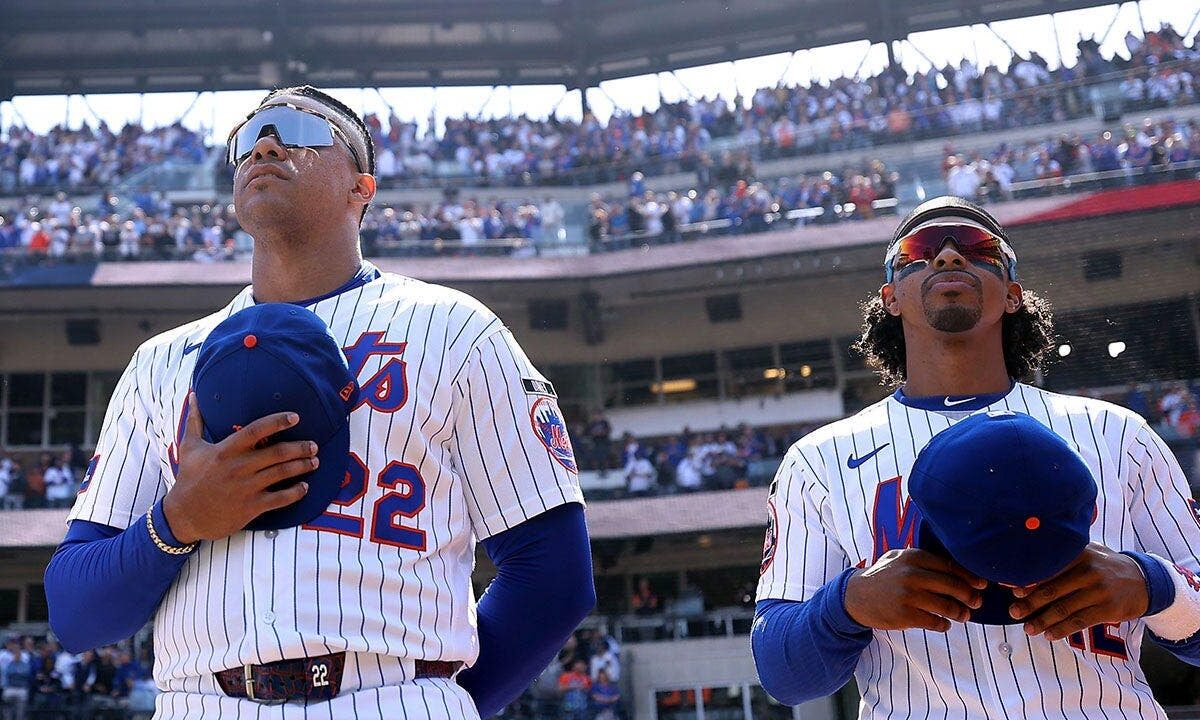
“Frankly, I think that’s a story that was last year’s story,” owner Steve Cohen told the New York Post, adding that “I am told and believe strongly that these guys are getting along much better.” Cohen’s comment arrived amid renewed attention to the relationship between Juan Soto and Francisco Lindor.
“When you meet a girl, you don’t start kissing her right away,” Soto told The Athletic, using a blunt metaphor to describe how chemistry with a new teammate can take time. He also made a point to say there are “no issues” between him and Lindor “at all.”
Latest update on Juan Soto and Francisco Lindor
Cohen’s statement and Soto’s comments came in quick succession this week, offering what the club hopes will be a definitive tone-setter: that whatever friction was reported previously has largely faded into routine clubhouse adjustment. Lindor echoed that message in his own remarks, casting the situation as one of growing familiarity rather than sustained animus.
“The more time we spend together, it’s only natural that our relationship continues to grow,” Lindor told reporters, later adding, “We’ve been teammates for two years now. Time has been on our side. I have nothing but respect for him. He’s my brother.” Those lines frame their interactions as working-level communication rooted in a mutual goal: winning.
What the reports said
Over the past season and into this one, multiple outlets flagged instances they interpreted as tension between the Mets’ biggest names. Coverage cited guarded exchanges, sparse public interaction at moments like Opening Day, and — in at least one account — what were described as “hard conversations” between the two players.
Some reports speculated about locker placement and contract-driven optics; those items were reported by media on the scene and have not been independently verified beyond the original stories. Taken together, the reporting created the impression of a lingering rift that ownership and the players have now publicly disputed.
Players’ versions and key quotes
Both Soto and Lindor have offered versions that downplay a feud and emphasize routine team communication. Soto’s dating metaphor offered an unvarnished way to say chemistry isn’t instant, while Lindor stressed daily conversations and shared work on hitting and preparation.
In addition to his earlier remarks, Lindor told reporters, “It was just, we talked. We talk every single day,” framing the connection between the two as regular interaction rather than drama. Soto’s insistence that there are “no issues” and Cohen’s assessment that the story belongs to last year form the current public narrative.
Contracts, time together and roster context
The contract backdrop is unavoidable when two franchise players share a clubhouse. Lindor signed a 10-year, $341 million extension after joining the Mets in 2021; Soto arrived on a 15-year, $765 million deal. Those long-term commitments mean both are central to the club’s plans for the coming decade.
Practical factors have limited the pair’s time together this season: injuries, rest days and roster moves mean they have appeared in only 15 games together so far. That uneven exposure can magnify isolated moments and make patterns harder to read for fans and media alike.
What this means for the Mets
On the field, chemistry among top players matters because it shapes lineup cohesion, bench dynamics and, sometimes, how younger players fit in. Public reports of friction can be a distraction; conversely, visible signs of rapport — shared celebration, routine chatter between at-bats, mutual encouragement — help smooth a long season.
With ownership and both players publicly pushing back on the idea of an ongoing feud, the immediate risk to clubhouse stability appears limited. That assessment depends on continued consistency from the parties involved and on how often they appear together in meaningful game situations.
Short analysis and what fans should watch next
Because Soto and Lindor have played so few games together this year, much of the storyline likely reflects perception more than persistent conflict. When two high-profile stars with different contract narratives share a room, every interaction is scrutinized.
Fans should watch several practical markers: how frequently they are in the lineup together, whether postgame and clubhouse interactions are warm in tone, and whether managers, teammates or ownership continue to deliver a consistent public message about chemistry. Over the course of a full season, patterns of behavior on the field and in the clubhouse will matter far more than isolated headlines.
Bottom line: For now, ownership and the players say the relationship has improved and that their focus is on winning. The next few weeks of shared playing time and public interactions will be the clearest test of whether that framing holds.
Sources
Fox News: Fox News
The Athletic: The Athletic