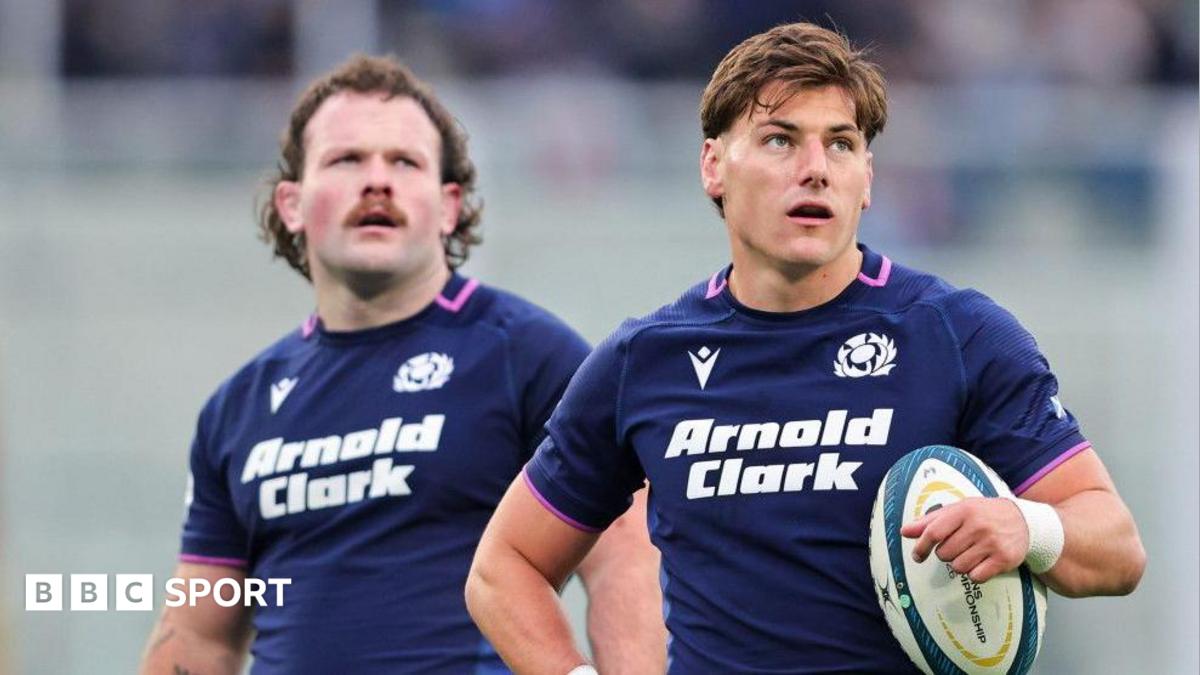
Scotland’s coaching staff face a genuine selection question: can they afford to keep Finn Russell on the bench after Tom Jordan and Fergus Burke both impressed in the win over Argentina? BBC Sport’s match coverage highlighted both Jordan and Burke for their attacking contributions, and those performances have given the selectors additional tactical options ahead of the Nations Championship clash in South Africa.
This is not simply a debate about reputation versus current form. Russell remains one of Scotland’s most influential playmakers — his vision, box-kicking and ability to unlock defences are unique assets. But Jordan and Burke each provided tangible evidence in the Argentina fixture that Scotland have alternative ways to generate momentum, try-scoring opportunities and late-game impetus.
Why Tom Jordan and Fergus Burke force a rethink
BBC Sport’s report on the Argentina match singled out both Tom Jordan and Fergus Burke for their direct contributions to Scotland’s attack. Jordan’s strong carrying and support play put the team on the front foot in sustained attacking passages, while Burke impressed with line breaks and finishing that helped convert territory into points.
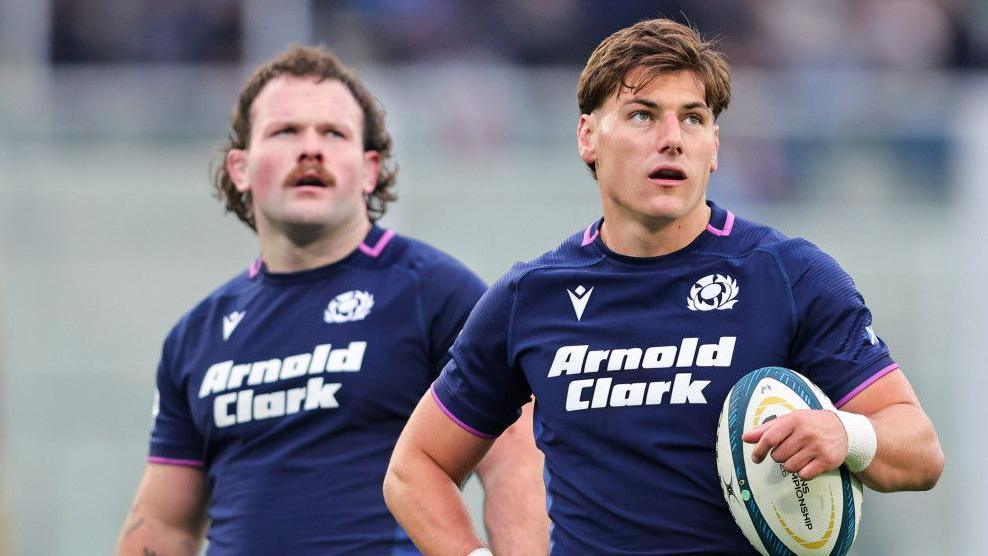
Those contributions matter in selection terms because they are repeatable match actions: line breaks, quick recycling, and finishing from close range. When a pair of less-established players deliver those actions against an international opponent, coaches can legitimately consider reshaping the starting XV or rethinking the bench to maximise impact across 80 minutes.
Practically, Jordan and Burke give Scotland the option to start with a higher-tempo, ball-in-hand approach. That approach reduces immediate dependence on a structured kicking game and can unsettle opponents expecting a more conservative opening. It also means a match-day bench could be configured to preserve tactical flexibility rather than simply replacing like-for-like personnel.
Could Scotland keep Finn Russell on the bench?
Putting Finn Russell on the bench is a defensible tactical move. Used as a reserve, Russell becomes a specialist finisher — the kind of player you introduce when the opposition is tiring and space opens up. His long-range kicking, creativity around ruck speed and instinctive passing can transform late phases and manufacture scoring opportunities that a tired defence struggles to counter.
From a workload-management perspective, resting Russell from the start reduces exposure to early collisions and helps preserve him for moments when his creativity is most effective. With a compressed international calendar and travel to South Africa ahead, the benefits of fresh legs and reduced injury risk are significant considerations for the coaching team.
However, there are clear trade-offs. Starting without Russell sacrifices some strategic control in tight, high-pressure moments. Russell excels at managing tempo, controlling territory and executing a tactical kicking game to relieve pressure — tools that can be decisive against a physical, disciplined side. Sacrificing those attributes for youthful verve needs to be weighed against the predictable intensity of a South African contest.
Crucially, any suggestion that Russell will be a reserve remains speculative until the official team sheet is published. BBC Sport’s coverage frames the Russell question as a selection dilemma rather than a reported decision. Readers should therefore treat bench scenarios as plausible options coaches might use, not confirmed plans.
Tactical matchup with South Africa
South Africa are a different test to Argentina: historically they bring greater set-piece dominance, collision intensity and a willingness to grind phases. If Scotland start Russell, the likely game plan would tilt towards territory control, measured phase play and using kicks to force errors or gain exit advantage. Russell’s skills fit that approach because they help manage risk and shape territory.
Conversely, starting Jordan or Burke signals intent to play more expansively from the outset. That plan aims to pull the Springboks wider, accelerate ball movement and create mismatches on the edges. It can be disruptive to South Africa’s preferred rhythm, but it also risks exposing Scotland to repeated front-foot collisions if their quick-phase game stalls.
Another tactical variable is timing. Introducing Russell at the right moment could unlock a defence that has begun to tire, making his bench role highly impactful. But mistiming that introduction — either too late to influence the game or too early to be used as a momentum-changer — would blunt his effect. The coaching staff must balance the upside of a ‘joker’ replacement against the need for early structural control.
What comes next and likely timeline
The final selection will follow routine fitness checks, training-ground observations and set-piece rehearsals. Expect the head coach to use the full selection window; decisions are typically delayed to incorporate late information on recovery and how players respond to specific tactical drills tailored for South Africa.
Media speculation often fills the gap between the previous match and the official team announcement, but those signals are indirect. BBC Sport’s reporting frames the Russell debate as ongoing and coach-led; until an official team sheet appears, supporters should view scenarios as options the staff are weighing rather than definitive outcomes.
Given the compressed schedule in the Nations Championship and the travel demands of a South Africa fixture, the selectors face a narrow decision window. Late injuries or training-ground form shifts can still change the calculus. The most useful takeaway for fans is that Scotland now have multiple credible plans — and that the final choice will reflect a blend of opponent-specific tactics, current form and up-to-the-minute fitness information.
Bottom line
Tom Jordan and Fergus Burke’s strong performances against Argentina have genuinely complicated Scotland’s selection thinking. Keeping Finn Russell on the bench is a plausible and potentially shrewd tactical option that preserves his unique match-winning skills for high-leverage moments. But it carries trade-offs in terms of early-game structure and control, especially against a team like South Africa.
Until the official 23 is announced, any claim that Russell will be used solely as a reserve should be read as strategic speculation rather than a confirmed plan. The coaching staff will weigh match-ups, training observations and fitness reports before making a final call.
Source: BBC Sport. Full report: Should Scotland keep Russell in reserve against South Africa?