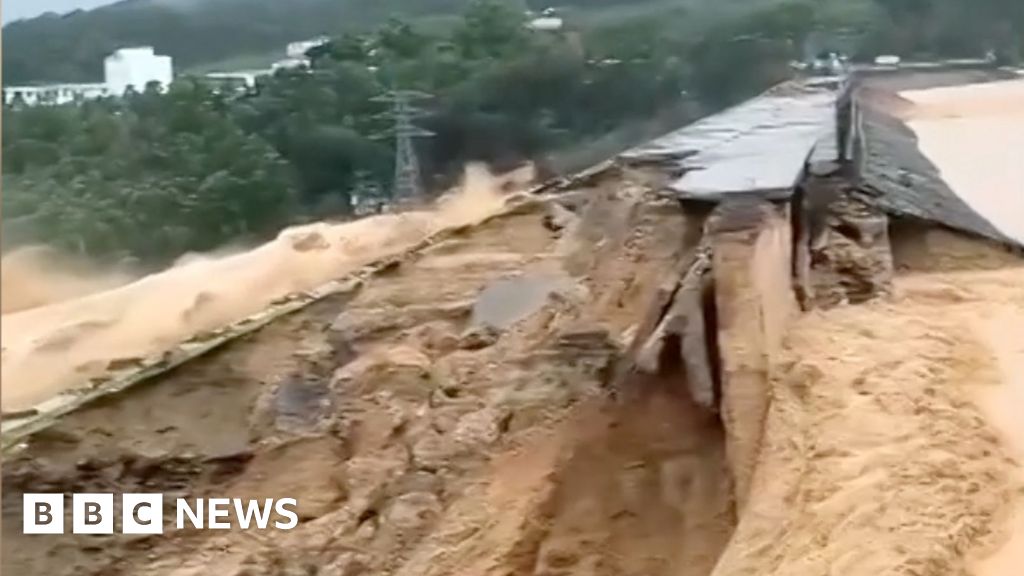
Typhoon Maysak has swept through southern Guangxi, China, bringing heavy rain, severe flooding and widespread evacuations. BBC News reports at least two people have died and about 480,000 people were moved to safety; the claim that a dam wall burst in the worst-hit area is provisional and awaiting technical verification.
What happened after Typhoon Maysak
Typhoon Maysak dumped intense rainfall across Guangxi province, causing rivers and reservoirs to rise quickly and triggering floods in low-lying areas. According to a BBC News report that supplied the initial figures, at least two fatalities have been recorded and roughly 480,000 people were evacuated from parts of southern Guangxi. Those numbers are reported by the BBC and are provisional pending fuller official tallies.
Local media and officials said roads were cut by floodwater and some communities were temporarily isolated. Emergency teams have been operating in heavy rain to move residents to higher ground and to carry out early damage assessments.
Human toll and evacuations in Guangxi
Authorities and the BBC reported at least two deaths linked to the flooding. Injuries have been reported in media footage, but comprehensive casualty figures beyond the two deaths have not been confirmed publicly in initial reports.
Evacuation operations covered wide areas of southern Guangxi, with the BBC reporting about 480,000 people moved to shelters or safer districts. Local governments set up temporary accommodation and mobilised resources to provide food, medical care and basic supplies to those displaced.
Officials cautioned that these are early figures. The BBC described the totals as provisional, and local authorities are continuing surveys that may raise or lower the numbers as access to affected areas improves.
Infrastructure damage and flooding details
Floodwaters have damaged roads, small bridges and local infrastructure, hindering movement and complicating relief work. Many communities downstream of swollen rivers reported standing water on streets, inundated homes and interrupted utility services.
Media and official communications have circulated a claim that a dam wall burst in one of the worst-hit areas. That specific structural-damage claim has been reported in news coverage but is provisional: BBC News and local officials say technical assessments are required to confirm whether a dam wall actually failed and the extent of any collapse. Until engineers complete inspections, the dam-wall report should be treated as unverified.
Response and safety steps
Local emergency services and disaster-response teams have issued evacuation orders for high-risk areas and transported residents to safer locations. Authorities are prioritising the safety of vulnerable groups, including the elderly and those in isolated villages.
If you have friends or relatives in Guangxi: follow official channels for updates, avoid travelling into flooded zones, and do not attempt to drive through floodwater. Even shallow water can sweep vehicles away or hide damaged roadbeds. Keep phones charged, maintain contact with local officials or shelter coordinators, and heed instructions on safe return timelines.
What comes next and verification notes
Search, rescue and damage-assessment teams will continue to work across affected counties. Authorities and news organisations are expected to release updated casualty and evacuation figures as teams complete door-to-door surveys and access previously unreachable areas. The BBC-supplied figures cited here are provisional and may change.
The report that a dam wall burst remains subject to verification by engineering teams and local authorities. Official confirmation of structural failure, the cause, and the scale of any collapse will require technical assessment; until such confirmation is published by local authorities or independent engineers, the dam claim should be regarded as unverified.
Readers should watch for further statements from Chinese provincial authorities and national disaster-management agencies. BBC News is the primary source for these early totals; further corroboration from official local sources will be necessary to finalise casualty and damage counts.
By the numbers (provisional)
- Fatalities reported: at least 2 (BBC, provisional)
- People evacuated: about 480,000 (BBC, provisional)
- Primary affected area: southern Guangxi province, China
Frequently asked questions
What happened with Typhoon Maysak?
Typhoon Maysak brought heavy rain to southern China, causing rivers to swell and widespread flooding in Guangxi. BBC News reports at least two deaths and large-scale evacuations; reports that a dam wall burst are circulating but remain unverified pending technical checks.
Why does Typhoon Maysak matter?
The storm has displaced many people, damaged infrastructure and elevated flood risk for downstream communities. If a dam wall did fail, it could magnify flooding impacts and complicate rescue and recovery efforts; that specific claim is still being investigated.
What happens next?
Emergency teams will continue evacuations, rescue operations and damage assessments. Official casualty and evacuation figures may be revised as authorities reach more areas and complete surveys. Expect updates from local officials and national agencies in the coming hours and days.
Source: BBC News reporting supplied the initial casualty and evacuation figures and reported the dam-wall claim as provisional. See BBC News for further updates: BBC News and the BBC video report cited in initial coverage: BBC News video. All figures and the dam-wall report are provisional and subject to verification by local authorities and engineering assessments.