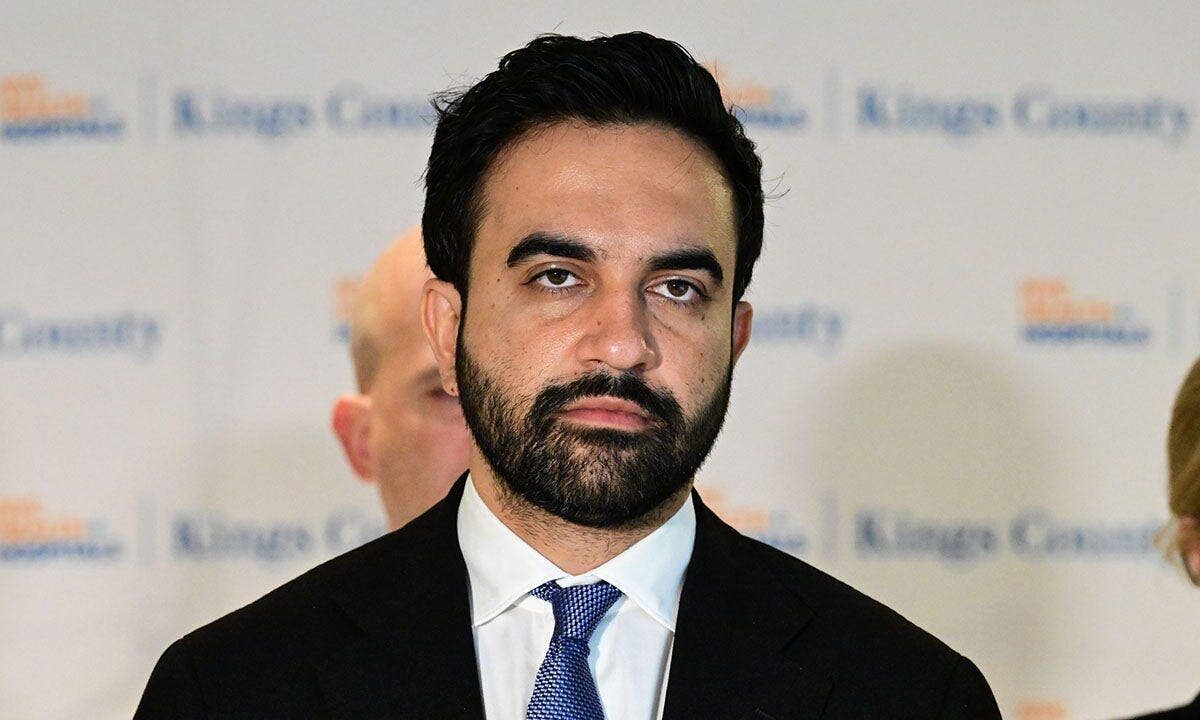
Zohran Mamdani on Tuesday publicly urged Graham Platner to drop out of the competitive Maine Senate race after a Fox News report detailed an allegation that an ex‑girlfriend, Jenny Racicot, said she was raped. Mamdani’s rebuke — delivered at a press event alongside New York Gov. Kathy Hochul — added to mounting pressure from senior Democrats and progressive leaders.
“I believe that it’s time for him to drop out of the race,” Zohran Mamdani said, calling for accountability within the party.
Platner said in a short video statement he was “taking the time to reflect on the best path forward for the state that I love.”
What Mamdani said and why it matters
Mamdani emphasized that he had not endorsed Platner and framed his comments as part of a broader demand for accountability within the Democratic coalition. At the press conference the New York City leader said he was focused on local races and that his prior energy had gone toward city campaigns, but he added that the allegations against Platner required an unequivocal response.
The public rebuke from Mamdani — a rising voice in national progressive politics — is significant because it signals a fracture between insurgent organizers and a high‑profile Senate candidate who had drawn support from elements of the progressive movement. Mamdani’s statement came as other national figures publicly pushed Platner to step aside, accelerating the political fallout.
Graham Platner response and status
Graham Platner has not announced he will end his campaign for the U.S. Senate in Maine. In a brief video, Platner said he would “take the time to reflect on the best path forward for the state that I love, the people that I love, the movement I belong to and the goal of defeating Susan Collins.”
Campaign officials have not released a fuller account or timelines for a decision. The campaign remains technically active and Platner is still listed as a candidate, though several endorsements and volunteer relationships have frayed in the days since the initial reporting.
The use of cautious language by the campaign and some party officials reflects both political calculation and legal prudence: ending a campaign immediately can have complex procedural and fundraising consequences, while staying in the race invites continued scrutiny from allies and opponents alike.
Who has weighed in
Top Democrats moved quickly after the report. Senate Majority Leader Chuck Schumer and Sen. Kirsten Gillibrand publicly called for Platner to “immediately withdraw.” Progressive leaders including James Talarico and Abdul El‑Sayed also urged Platner to end his campaign.
Notably, Sen. Bernie Sanders — who campaigned in Maine with Platner earlier in the cycle — has been publicly muted, at least in the immediate aftermath, while other national figures took stronger positions. That relative silence has drawn attention because Sanders’ endorsement and campaigning had been seen as an important boost to Platner’s progressive credibility.
The reaction has also highlighted shared staff and vendor ties: both Platner and some of the progressive organizers around him have worked with strategist Morris Katz, a connection that has complicated how allies and opponents assess political and reputational risk.
Allegation and legal caution
The Fox News report detailed a claim from an ex‑girlfriend, Jenny Racicot, that she was raped. That report prompted the immediate political reaction described above.
It is important to stress that the allegation remains a claim and has not been adjudicated in court. Reporting on allegations differs from legal findings: an allegation is an assertion that should be evaluated through investigative and judicial processes. News consumers and political actors should be careful not to treat an unproven allegation as established fact.
At the time of publication, law enforcement agencies and prosecutors have not issued a public legal determination in this matter. Media outlets are continuing to seek comment from the parties involved and from official authorities.
What this means for the Maine Senate race
The immediate political consequence has been the rapid unraveling of parts of Platner’s national support network, forcing Democrats to assess how best to protect a vulnerable Senate pickup opportunity. If Platner withdraws, the party would face a condensed timeline to coalesce around an alternate nominee and avoid a bruising primary that could hurt general‑election prospects against incumbent Sen. Susan Collins.
Beyond the immediate vacancy-management challenge, the episode raises harder questions for the progressive movement about vetting, message discipline and the potential costs of nominating candidates with limited governing experience who may be vulnerable to personal‑conduct allegations. Organizers and donors will be weighing whether to shift support to a more established figure or to try to rally behind a new insurgent in a short window.
Practically, a withdrawal would shift national fundraising, volunteer deployment and advertising plans. Maine Democrats and national committees would need to decide quickly whether to back a replacement candidate or invest earlier resources in damage control and outreach.
Source attribution
This article is based on reporting by Fox News and subsequent coverage by local outlets seeking comment and additional verification. The claim described in the Fox News report remains an allegation and has not been legally adjudicated.
Source: Fox News; additional local coverage and follow‑up reporting have been reported by Maine outlets.