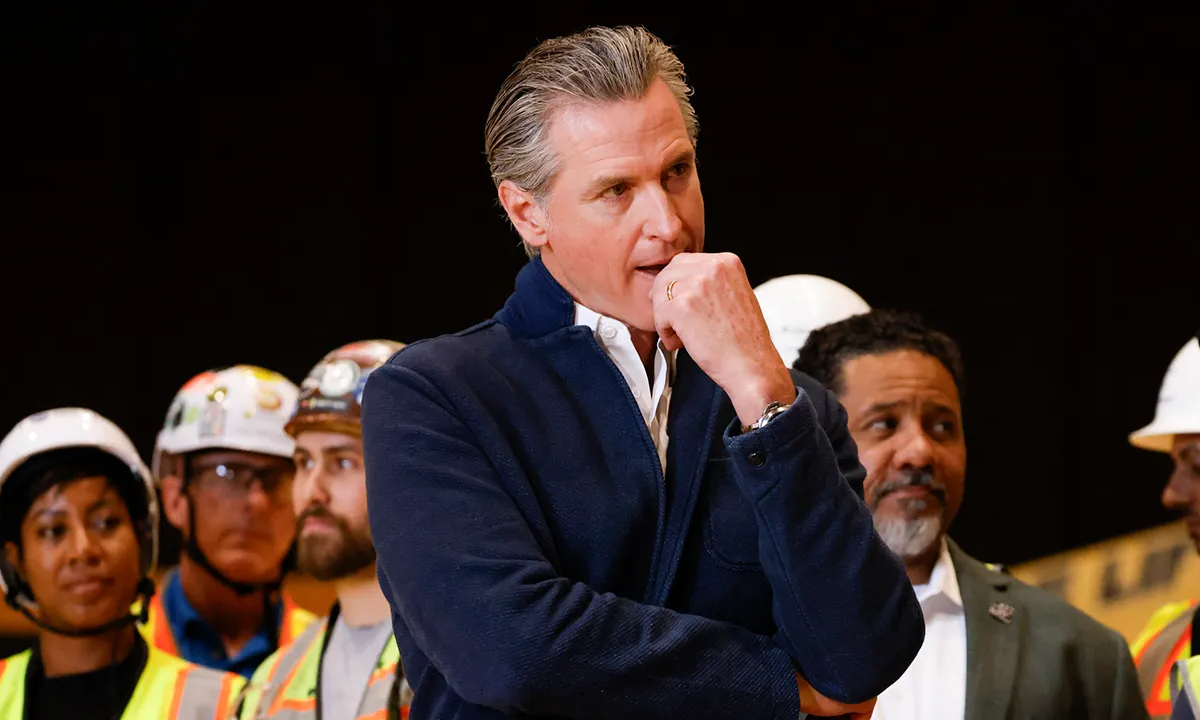
Marysville High Indians mascot was retired when the California Racial Mascot Act took effect, the Marysville Joint Unified School District confirmed. The change went into effect after Gov. Gavin Newsom signed an extension of the law in 2024 that tightened prohibitions on certain Native American names and images at public schools.
Marysville High Indians mascot
The Marysville Joint Unified School District announced the retirement after the statute took effect. District officials told reporters they had engaged with local tribal representatives but did not secure written permission from a federally recognized tribe by the law’s effective date, a requirement for the statute’s tribal-consent exception.
How the California Racial Mascot Act works
The California Racial Mascot Act prohibits public schools from using “any derogatory Native American term” as a school or athletic team name, mascot, or nickname. In 2024, Gov. Gavin Newsom approved an extension that clarified enforcement and the timeline for schools to comply.
The statute includes a limited exception: a school may continue using a name or image when the school is operated by an Indian tribe or when it holds written permission from a federally recognized tribe that affirms the use. That written permission must be in place before the law’s effective date to avoid enforcement actions, the district said in its statement.
In practice, tribal consent requires a federally recognized tribe to provide explicit, written authorization specifying the scope and duration of the permission. The law ties the exception to federal recognition because that status denotes a government-to-government relationship under federal law.
Local reaction and school history
Marysville High used the Indians name for nearly a century, and school officials and many alumni framed the symbol as a longstanding local tradition. Marcy Tarr, a track and field coach and Marysville High alum, told The Appeal-Democrat she remembered the school’s “Indian Way” as a tradition meant to encourage respect and leadership among students.
Those supportive voices describe the mascot as part of continuity and identity for students and alumni. The district said community conversations have been emotional and varied; in its public statement the district acknowledged both pride in local tradition and the legal obligation to comply with state law.
Meanwhile, advocates for removing Native American mascots say such images can perpetuate stereotypes and harm Native students. That argument has shaped recent policy moves statewide and nationally as institutions reassess symbols that many groups find offensive or demeaning.
Tribal consent and the district’s next steps
The Marysville Joint Unified School District said it will continue to pursue written permission from a federally recognized tribe that could allow Marysville High to retain the Indians name under the law’s tribal-consent exception. Superintendent Jordan Reeves issued a district statement emphasizing outreach to tribal leaders and the board’s intent to follow the legal process.
District officials described outreach as ongoing and said they are prepared to present any written consent to state authorities if and when it is obtained. For now, the district reported no immediate plans to adopt a replacement mascot while discussions continue.
The district also noted, in comments reported by local outlets, that some tribal representatives have expressed neutrality on the issue. That characterization comes from district reporting of those conversations and has not been universally corroborated by independent sources, the district statement said.
What this means beyond Marysville
Marysville’s situation illustrates how the tribal-consent exception could determine outcomes for other California schools that previously used Native American names or images. Where a federally recognized tribe provides written permission, a school may be able to continue using a historic name; without that permission, districts must remove the prohibited names and symbols.
Gov. Gavin Newsom’s extension of the Racial Mascot Act reflects a broader statewide push to remove terms and imagery deemed derogatory from public schools. The law’s enforcement timeline has prompted districts across California to review their mascots, examine their histories, and reach out to tribal governments or legal counsel about next steps.
Observers say the process could prompt more formal agreements between districts and tribes in some places, while in others, schools will move forward with rebranding and new mascots. The specific path often depends on local relationships with tribal leadership and whether a federally recognized tribe is willing to provide written consent.
What comes next
The district said it will continue outreach to federally recognized tribal authorities and expects those conversations to shape whether the Marysville High Indians name can be restored under the law. Timelines for tribal discussions vary; some tribes prioritize consultations differently and may take weeks or months to respond to formal requests for written permission.
In the meantime, school leaders, alumni groups and community members are likely to continue public discussion about identity, tradition and compliance with state law. Legal experts say any written consent would need to be clear and appropriately documented to qualify under the statute.
Source attribution
This report draws on the Marysville Joint Unified School District’s public statement on the mascot change; reporting by The Appeal-Democrat on local reaction and alumni quotes; coverage by Fox News on the district’s announcement and the law’s effect; and references to Gov. Gavin Newsom’s 2024 extension of the California Racial Mascot Act. For further reading, see the district statement and local reporting cited by The Appeal-Democrat and national coverage by Fox News.