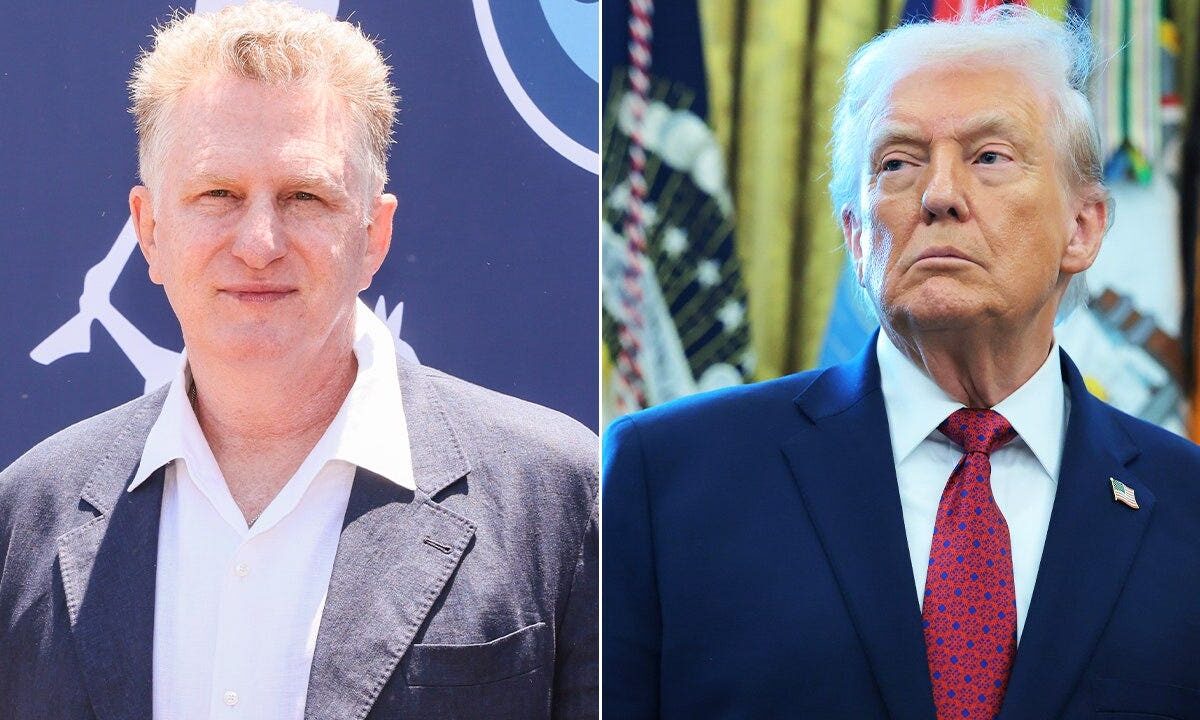
“Why I don’t insult him now … is because for me, simply getting the hostages home was enough for me to not … be disrespectful,” Rapaport said on the podcast, according to a Fox News report. Fox News relayed that Rapaport described multiple trips to Israel and direct conversations with relatives of abducted people as eye-opening.
He added that he still holds criticisms of Trump — calling the president at times “infuriating” — but said he chose to temper personal attacks given what he saw as the higher priority of hostage recovery.
Why it matters
A public reversal from a visible figure like Rapaport matters for three reasons. First, it can change the tone of online debate by modeling restraint when victims’ families are involved. Second, it directs attention to hostage advocacy and the practical needs families press for. Third, it shows how personal encounters with victims and humanitarian crises can shift public rhetoric — even without changing underlying policy positions.
Those effects are rhetorical rather than evidentiary: Rapaport’s account is his own, explaining why he moderated attacks. It does not, on its own, prove any particular political outcome or negotiation result.
Rapaport’s comments on a 2029 New York mayor bid
Separately, Rapaport reiterated plans to run for New York City mayor in 2029 in an interview with NewsNation’s Chris Cuomo, according to coverage. He framed a potential campaign as a hard-nosed, street-level challenge to incumbent Mayor Zohran Mamdani.
On NewsNation, Rapaport described a campaign style he called a “New York City street fight mentality,” saying traditional niceties and political polish would not be enough to unseat an incumbent he criticized sharply. He said he would only step aside if a clearly superior candidate with a path to victory appeared.
Those remarks match a familiar pattern for celebrities who signal political intentions: name recognition and media access raise profile, but public statements differ from formal campaign activity such as filings, staff hires or fundraising.
What to watch next
Watch for a few clear signs that would move Rapaport’s comments from talk to campaign or advocacy progress:
- Official campaign paperwork or an exploratory committee registered with New York City election authorities.
- Staffing announcements, fundraising disclosures, or an organized schedule of appearances outside talk-show interviews.
- Further specifics tying Rapaport’s foreign-policy views to concrete proposals, and reporting on which hostage-family contacts led to any mediation or tangible outcomes.
On the hostage front, reporting should seek corroboration of Rapaport’s accounts: which families he spoke with, which organizations he coordinated with, and whether those interactions produced measurable steps toward recovery or negotiation — not just statements of intent.
Background
Rapaport’s comments come amid sustained attention to the Oct. 7 Hamas attack and the subsequent hostage crisis. Public figures from across the political spectrum have weighed in; some, like Rapaport, say personal encounters with victims’ families changed how they talk about leaders and policy priorities.
FAQ
Did Michael Rapaport say he now supports Donald Trump?
No. Rapaport said he stopped publicly insulting Trump after interactions with hostage families and trips to Israel, emphasizing that he still holds criticisms of the president. That change was a rhetorical choice, according to Rapaport’s own words as reported by Fox News.
Is Rapaport officially running for New York City mayor in 2029?
Not yet. Rapaport has expressed an intention to run and described how he would campaign, but he has not filed formal campaign paperwork or announced a structured campaign team. Coverage of his NewsNation interview relays his stated plans as intentions rather than an active candidacy.
What did Rapaport say about his contact with hostage families?
Rapaport said he traveled to Israel multiple times and spoke directly with relatives of the abducted, and that those conversations influenced his decision to temper public attacks on Trump. Those are Rapaport’s accounts; this report attributes those statements to his podcast interview (Jamie Kennedy) and to the Fox News coverage that cited it.
Source: Fox News — Michael Rapaport owns up to getting Trump wrong after years of bashing him; additional comments on a planned 2029 mayor bid reported from Rapaport’s NewsNation interview with Chris Cuomo.