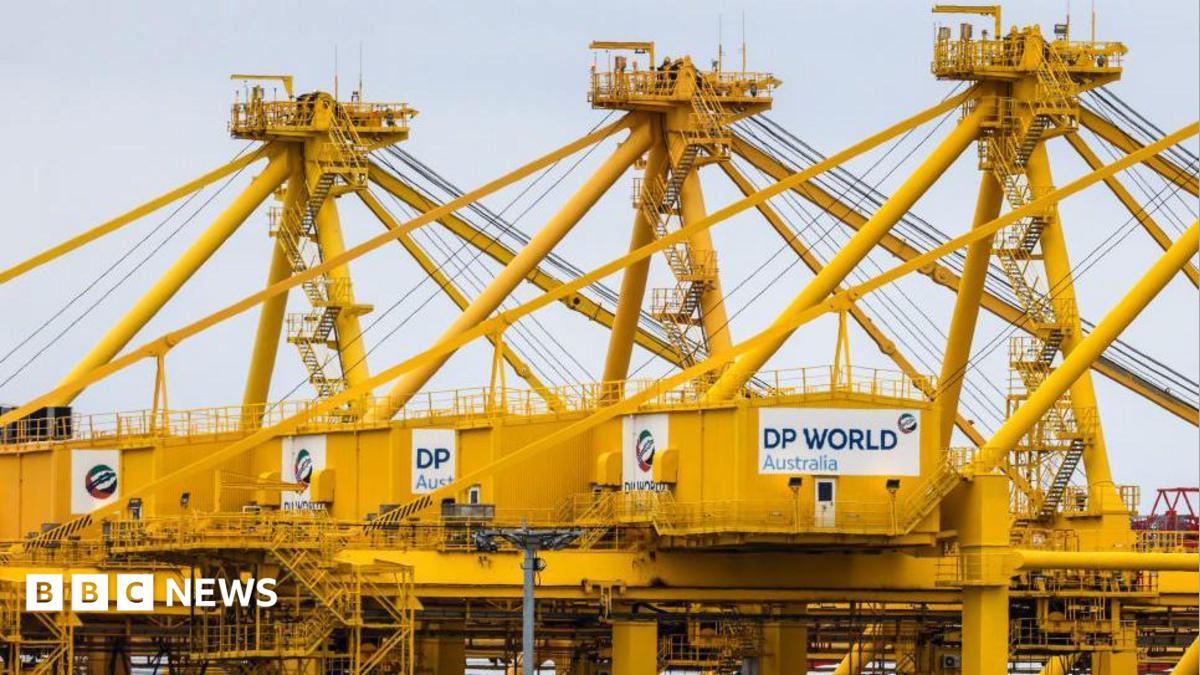
A union has demanded a 28-hour week for dock workers in Australia, saying staff are “in the crosshairs” of automation as artificial intelligence is being tested at ports. The union framed the demand as an urgent defence of jobs and safety as pilots of new systems expand.
Union calls for a 28-hour week
The union said a 28-hour week is needed to protect members while ports trial AI tools that could alter workloads and staffing needs. Union communications used the phrase “in the crosshairs” to stress the perceived immediacy of the threat to jobs and conditions.
Union leaders presented the proposal as both a job-protection and safety measure to take into negotiations with employers and industry bodies. Officials did not publish independently verified figures on how many roles might be affected; the union’s claim is presented as its assessment.
AI testing at ports
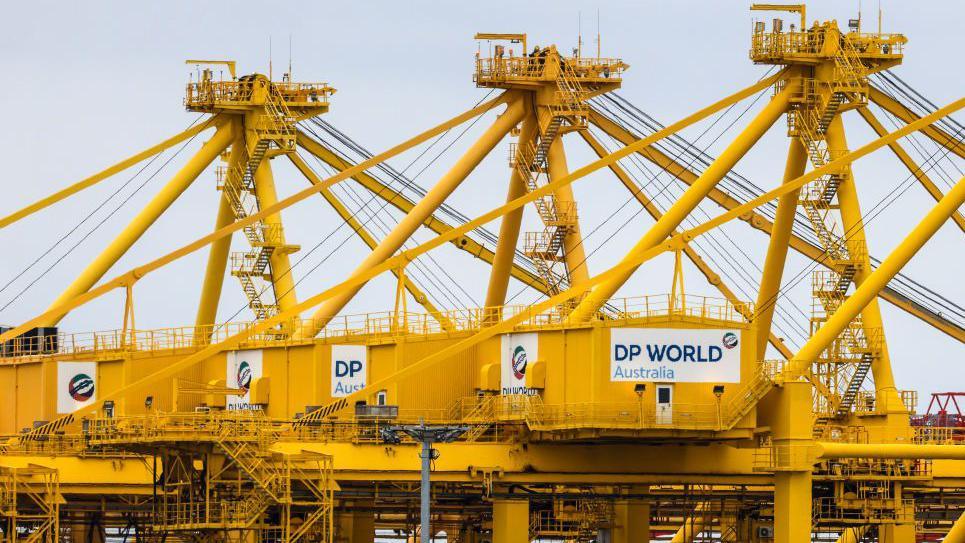
The BBC report says AI is being tested at multiple Australian ports in pilots intended to help with container tracking, equipment routing and predictive maintenance. Companies running pilots told the BBC the technology is aimed at improving efficiency and safety rather than directly replacing staff.
The BBC also noted that details on the scale and timeline of those trials were limited and could not be independently verified by the reporting outlet. Statements about expanding tests and timelines are attributed to the union and some industry sources in the BBC coverage.
Impact on dock workers and jobs
Dock workers and unions fear that automation and AI could reduce demand for some roles, change shift patterns and intensify workloads through closer monitoring. Concerns include job security, surveillance and the speed of tech adoption on sites.
Employers argue automation can take on repetitive or hazardous tasks, potentially improving safety and letting workers focus on more skilled tasks. How many jobs change and how quickly will depend on investment decisions, regulation and outcomes from bargaining with labour groups.
Industry analysts often caution that automation typically changes job content rather than eliminating all roles immediately. Still, workers can face disruptive short-term effects, retraining needs and redeployment pressures during transitions.
What comes next in talks
Union leaders say they have opened talks with employers and industry bodies. Discussions are expected to cover the 28-hour week demand, job protections, retraining measures and rules for deploying AI pilots in practice.
Timetables for formal negotiations were not specified in detail in the BBC report. The union has signalled it will seek a swift timetable to secure protections before pilots expand, while employers are likely to argue for phased changes tied to trial results.
Potential outcomes include a negotiated agreement on reduced hours or rostering, commitments on retraining and limits on automation deployment, or extended bargaining that could involve industrial action if parties do not reach agreement.
Why it matters
Ports are major nodes in trade and changes in how they operate can ripple through supply chains and local labour markets. How Australia balances automation, worker protections and productivity gains will shape outcomes for communities and the sector’s future workforce.
Source attribution
This article is based on reporting by BBC News – Business. The BBC report is the source for the union’s demand and its account of AI trials at ports; the BBC noted limited detail on the scale and timeline of the tests and did not independently verify those aspects. Read the original BBC report: https://www.bbc.co.uk/news/articles/cd95wendvdeo.
Note: The assertion that workers are “in the crosshairs” is the union’s assessment as reported by BBC News – Business and has not been independently confirmed by the reporting outlet.