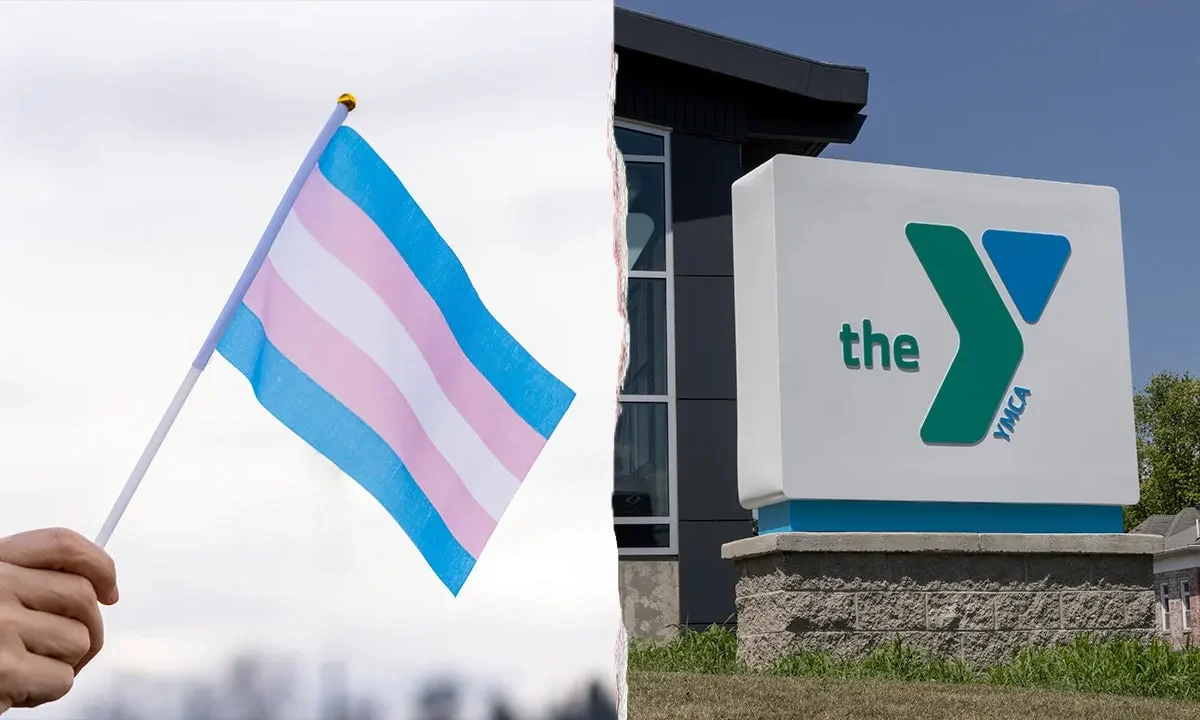
The American Parents Coalition (APC) on Monday urged the YMCA to change its YMCA transgender policies, telling the nonprofit that rules governing bathrooms, locker rooms, sports and overnight stays conflict with recent Supreme Court interpretations of Title IX. APC sent the letter to YMCA President and CEO Suzanne McCormick and the organization’s board, citing the Court’s decisions in West Virginia v. B.P.J. and Little v. Hecox as the legal trigger for its demand.
In the letter, APC asked the YMCA to update national guidance and remove any policies or practices that, in APC’s view, allow biological males to enter female-only spaces or compete on girls’ teams. The group emphasized the YMCA’s broad reach and federal funding as reasons the organization should align practices with the Supreme Court’s rulings.
What APC is asking the YMCA to do — YMCA transgender policies
APC’s letter lists concrete steps: rescind policies permitting biological males to access female locker rooms and bathrooms, bar biological males from participating on female sports teams, and revise overnight accommodation rules to protect privacy for women and girls. The coalition asked the YMCA to publish updated policies explicitly recognizing sex-based protections and to clarify how local associations should implement changes.
The group noted it filed Title IX complaints with federal agencies last year and said it may pursue further administrative complaints if the YMCA does not respond or update guidance. APC framed its demand as ensuring federally funded institutions comply with what the group interprets as the Court’s reaffirmation that “sex” under Title IX refers to biological sex.
Local Y policies and examples
APC highlighted variation among local YMCA associations, pointing to Metropolitan Detroit, New Jersey’s Lakeland Hills YMCA and the Gateway Region YMCA as examples where local guidance permits access consistent with gender identity. APC also referenced San Francisco’s Stonestown YMCA, which after complaints revised locker-room guidance to say nudity in shared spaces should be “discreet, limited, and brief” while maintaining an access policy aligned with gender identity.
The coalition also alleged that some webpages about gender-identity practices were removed or altered after scrutiny and that some camps permit counselors to stay in cabins matching their gender identity. Those assertions come from APC’s campaign materials and have not been independently adjudicated here.
Legal context: how the Supreme Court ruling matters
APC grounds its demand in two recent Supreme Court cases, West Virginia v. B.P.J. and Little v. Hecox, which emphasized that Title IX’s reference to “sex” denotes biological sex. One of the decisions affirmed a state authority to restrict participation in girls’ sports to biological females. APC argues that the reasoning applies beyond athletics to other sex-separated spaces at federally connected institutions.
Legal experts have noted the immediate effect of those rulings will depend on how federal agencies interpret Title IX for recipients of federal funds and how lower courts apply the decisions to private nonprofits. Agencies may issue guidance clarifying application to organizations that receive federal dollars; such guidance and ensuing litigation will shape whether and how YMCA practices must change.
Implications for members and funding
The YMCA operates about 2,600 locations nationwide and receives more than $600 million annually in government funding, details APC highlights to support its case that federal law and agency oversight are relevant. If national guidance changes, local branches could be asked to revise rules on locker rooms, bathrooms, team sports and overnight stays to prioritize sex-based protections.
APC frames potential policy changes as necessary to protect privacy and fairness for women and girls. Critics warn that restricting gender-identity access could reduce inclusion and complicate operations at local branches, including staffing and camp accommodations. Any change would likely require careful operational planning at the local level.
What comes next
APC’s public letter gives the YMCA a deadline to respond and signals possible follow-up enforcement actions. The coalition previously filed complaints with the Departments of Education, Health and Human Services, and Housing and Urban Development; those complaints could be renewed or expanded depending on the YMCA’s reply.
Likely steps include a YMCA internal review by national leadership or the board, renewed federal agency scrutiny of existing Title IX complaints, or litigation if agencies or courts issue new interpretations that conflict with local practices. YMCA leadership must decide whether to issue national policy changes, defer to local associations, or pursue alternative steps to address APC’s demands.
Source attribution
This article is based on reporting by Fox News Digital, which covered APC’s letter and outlined the examples and claims cited above. APC is the source of the complaint and the policy requests described. YMCA response: the YMCA did not immediately respond to requests for comment on APC’s letter or whether it plans a policy review.