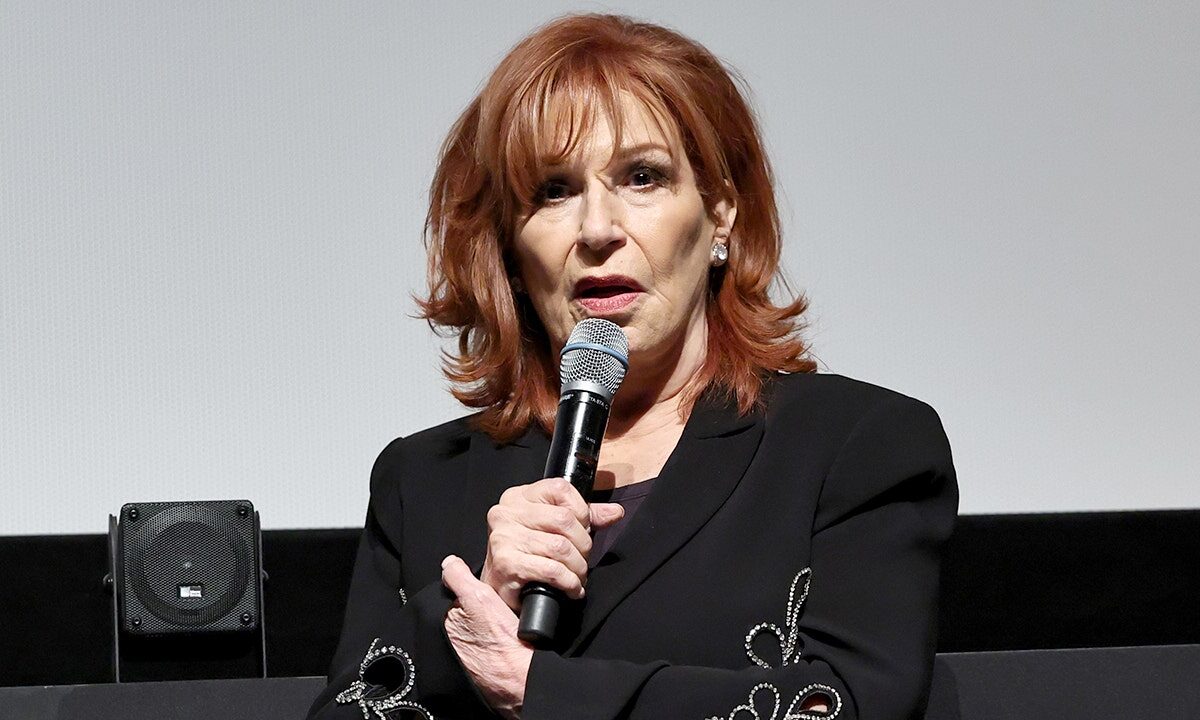
Joy Behar was pressed early and directly on Brian Teta’s “Behind the Table” podcast about her frustration with voters who support polarizing figures — a line of questioning that collided with an ongoing debate among The View cohosts over allegations against Graham Platner. The exchange unfolded as a study in political tradeoffs, with Behar and colleagues parsing whether policy priorities can or should outweigh allegations of misconduct.
Teta framed the moment by asking Behar whether her past criticism of Trump supporters who “turned a blind eye” applied equally when co-partisans face serious accusations. Behar acknowledged the tension, calling it “a difficult situation,” and traced how voters often weigh a candidate’s record against personal failings.
What happened on Behind the Table
On the podcast, Teta probed Behar about whether she held a consistent standard for voters who back candidates for pragmatic reasons. He pointed to common voter calculations — from Supreme Court nominations to tax policy — that can make supporters tolerate or overlook allegations. Behar answered with historical context and admitted there is rarely a simple, one-size-fits-all answer.
The conversation briefly turned into a broader airing of positions among The View hosts, reflecting how public figures try to reconcile moral judgments with partisan strategy in high-stakes races.
Joy Behar on voters and historical comparisons
Behar invoked historical examples, notably Sen. Ted Kennedy and the Chappaquiddick incident, to explain why constituents sometimes continued to back a powerful lawmaker despite scandal. She also referenced past remarks about Bill Clinton to illustrate that voters and commentators have long accepted tradeoffs when they believe policy outcomes matter.
Her point was not to excuse misconduct but to explain the calculus many voters use. As she put it on the podcast, weighing a candidate’s policy impact against personal behavior is often “a difficult situation” for voters and commentators alike.
Cohost reactions and the split on Platner
The podcast exchange echoed divisions among The View’s cohosts over the Graham Platner matter. Sunny Hostin said she previously viewed the question of backing Platner as an “existential crisis” for Democrats because of the stakes in the Senate balance, a pragmatic framing that she said informed earlier comments.
Hostin has been outspoken in other forums about Platner’s past conduct, using strong language to criticize him. On the podcast she acknowledged the political calculation but said the most recent allegation meant Platner should step aside. Alyssa Farah Griffin pressed Hostin on whether strategic logic should override allegations, while Sara Haines warned against reflexive party-first thinking.
That split — pragmatic electoralism versus strict accountability — played out in concise turns of back-and-forth questioning and underlined how even allies can publicly disagree about where to draw the line.
What the exchange says about party loyalty
The episode highlights a recurring dilemma: should voters prioritize policy outcomes and party control, or should they demand higher ethical standards irrespective of the political cost? Behar’s historical analogy and Hostin’s earlier willingness to consider strategic votes capture both sides of the argument.
Some voters openly admit they will “plug their nose” and vote for a candidate they view as flawed if the alternative threatens priority policy goals; others refuse to support anyone accused of serious wrongdoing. The tension complicates unified messaging and can lead public figures to defend seemingly inconsistent stances under pressure.
Background: the Graham Platner allegations are unproven
Coverage of Graham Platner has included serious allegations of sexual misconduct that sources describe as explosive. It is important to state clearly: these are allegations and remain unproven. Journalistic and legal standards require corroboration and due process before treating such claims as established fact.
The hosts referenced Platner’s past characterizations and the high stakes of the Maine Senate contest while debating whether Democrats should prioritize defeating Sen. Susan Collins over concerns about an individual candidate’s background.
Key takeaways and sources
Behar’s exchange with Teta underscores how historical examples and policy calculations shape how commentators and voters approach allegations against political figures. The podcast exposed a cleft between those who emphasize electoral strategy and those who press for accountability regardless of partisan consequences.
Readers should treat current reports about Graham Platner as allegations that require verification. The on-air debate shows how quickly political calculus can cloud moral clarity and why transparency and corroboration remain essential in public reporting.
Source: Fox News — Joy Behar cornered by ‘The View’ producer on frustration with Trump supporters amid Platner scandal. Coverage of the Maine race and related reporting have also been noted in broader press coverage, including reporting aggregated by the Associated Press.
Takeaway: The discussion illustrates the uneasy balance between enforcing ethical standards and pursuing electoral goals — a tension that reshapes how media figures and voters respond to allegations in real time.
FAQ
Did Joy Behar say she would vote for a flawed candidate?
Behar has said in past conversations that she has at times weighed policy results more heavily than personal conduct, and on the podcast she reiterated that voters often make tradeoffs — though she framed such choices as complex and situational.
What did Sunny Hostin say about Graham Platner?
Hostin previously described the political stakes as an “existential crisis” for Democrats and has been sharply critical of Platner’s past remarks in other settings. On this podcast, she acknowledged political calculations but said the latest allegation warranted stepping aside.
Are the Platner accusations proven?
No. The allegations have been reported in the media but should be regarded as unproven until corroborated through legal or journalistic processes.