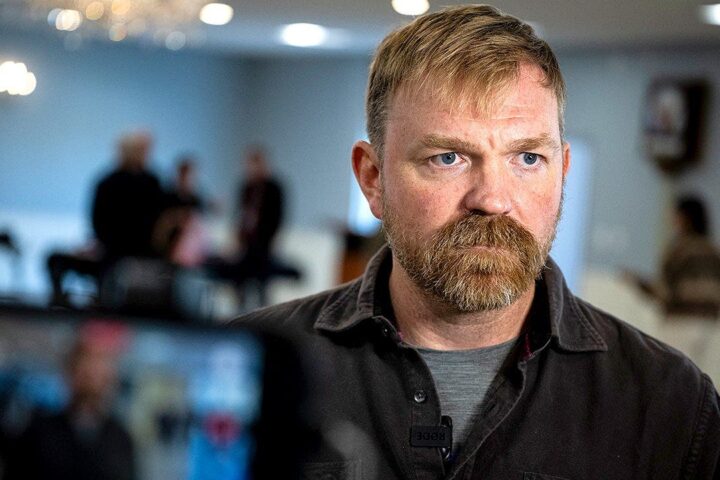
“We’re like, ‘Oh, we just gotta choose cities that it’s not easy to get to from L.A., and then we’ll have more freedom.'” That candid line from Danny McBride opened his discussion on the Rich Roll podcast about why he and his wife moved their family out of Los Angeles and into Charleston, South Carolina, in 2017. In the interview on the Rich Roll podcast, McBride described a practical reset that reshaped both his home life and how he approaches work.
Danny McBride’s move to Charleston
Danny McBride, the creator and star behind shows such as Eastbound & Down and The Righteous Gemstones, said the move to Charleston was deliberate: a way to step out of the relentless L.A. cycle and choose a life offering more space and fewer industry intrusions. He told Rich Roll that relocating in 2017 allowed his family to enjoy a different pace and for him to reclaim creative latitude away from constant studio oversight.
McBride referenced past shoots—most notably work filmed in Wilmington, North Carolina—where limited travel options meant executives rarely visited sets. That distance, he said, often translated into more freedom for writers, directors and actors to take creative risks without immediate studio pressure. Choosing Charleston, he explained, was part of a broader strategy to pick locations that felt less dominated by the entertainment business.
Family life and morning routine
At home with his wife Gia Ruiz and their two children, son Declan and daughter Ava, McBride described parenting choices aimed at keeping childhoods grounded. He said he and his wife intentionally limit their kids’ access to social media and prioritize face-to-face family time so their children hear parental guidance before outside influences.
To protect mornings and preserve presence, McBride told the podcast he often starts work before the children wake up. That early window gives him uninterrupted creative time while keeping mornings for breakfast, school routines and family interaction. He framed the approach as a structural solution: by organizing his day around family needs, he can maintain career momentum without sacrificing the small, daily moments that matter at home.
How leaving LA affected his career
McBride said geography changed how he and his collaborators experienced production. When executives did not visit sets as frequently—because a location was harder to reach—creative teams found more breathing room. He connected those experiences to the kinds of projects he now chooses and to a broader sense that distance can yield artistic flexibility.
Parenthood, he added, reshaped his appetite for time-consuming projects. “It was really easy to do this job when I didn’t have kids,” he said on the podcast, noting he no longer wants to give every available hour to production. The move to Charleston, by creating a clearer boundary between home life and industry demands, helped him narrow his focus and pick work that fit a family-centered schedule.
What this choice means for work-life balance
McBride’s choices offer practical takeaways for professionals balancing creative careers and family life. First, location matters: living somewhere with fewer industry distractions can reduce pressure and create intentional distance. Second, routines help—he credits early work sessions for allowing full participation in family mornings. Third, limiting children’s exposure to unsupervised social media and encouraging outdoor play can shift daily influences toward family-driven values.
Charleston living, he noted, delivers natural outlets—creeks, fishing and outdoor space—that give children alternatives to screens. He acknowledged trade-offs: being farther from major industry hubs can complicate networking, travel and scheduling. But for McBride, those trade-offs were worth it because they led to greater control over time and the chance to be a more present parent.
Why it matters
McBride’s story illustrates a broader trend among creative professionals who weigh career opportunities against family priorities. By intentionally shaping where and how they live and work, people can better protect parental time and preserve creative energy. His example underscores that choices around geography and routine are tools for reclaiming balance rather than purely lifestyle statements.
Key takeaways
- Geography can shift creative dynamics: distance from industry hubs sometimes reduces executive oversight and opens room for experimentation.
- Structure your day: early work sessions can preserve family time without sacrificing productivity.
- Limit unsupervised social media exposure for children and encourage outdoor activities to change daily influences.
FAQ
Why did Danny McBride move to Charleston?
McBride said he and his family moved to Charleston in 2017 to step outside the Los Angeles bubble, gain more creative freedom and give their children a different, more outdoors-oriented upbringing.
How does he limit his childrens access to social media?
He described household rules that restrict access and emphasized being present so his and his wife’s voices guide their kids more than strangers online. The details are framed as parental choices rather than a formal program.
Did the move change his TV work or creative freedom?
According to McBride, distance from L.A. and past experiences on shoots where executives rarely visited gave his teams more latitude. He said moving to Charleston is part of a conscious strategy to choose locations that create space for creativity.
Source attribution: Reporting and quotes referenced from Fox News’ coverage and Danny McBride’s appearance on the Rich Roll podcast. Original reporting: Fox News. Podcast appearance referenced: Rich Roll podcast.