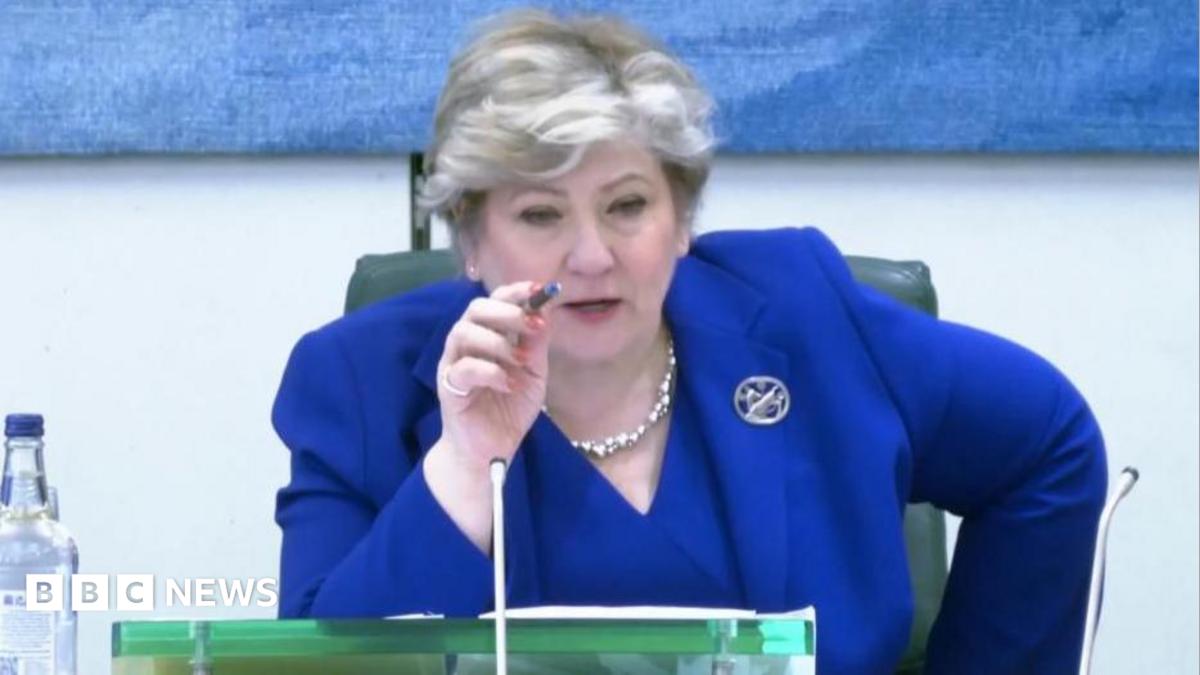
MPs have called for parliamentary oversight of political ambassadors after a Foreign Affairs Committee report criticised the handling of Lord Mandelson’s appointment, saying the process “was being made up as it went along,” the Foreign Affairs Committee said. The move sees backbench and committee MPs pushing for a formal check on how ministers designate senior diplomatic posts to protect the reputation of the diplomatic service.
The debate centres on whether elected representatives should have a stronger role when envoy posts are filled for political, rather than purely career, reasons. Supporters argue this would improve transparency; opponents warn it could slow decision-making and politicise foreign representation.
MPs seek veto on political ambassadors
The committee’s report has prompted proposals for a parliamentary veto on certain envoy appointments — particularly those judged to be political rather than merit-based career postings. Proponents say a veto would give MPs a say in preserving the integrity of ambassadorial roles and ensure appointments follow clear criteria.
Backers argue that a formal role for MPs would deter ad hoc decisions and boost accountability. Critics counter that handing MPs a veto risks dragging domestic politics into diplomatic appointments and could hamper ministers’ ability to act quickly when international situations require rapid responses.
What the Foreign Affairs Committee found
The Foreign Affairs Committee set out sharp criticisms of the way Lord Mandelson’s appointment was handled, saying aspects of the process lacked clarity and sufficient oversight. The committee emphasised these were its judgments rather than legal findings.
Central to the report is the committee’s language that parts of the appointment process “was being made up as it went along,” phrased by the Foreign Affairs Committee to underline shortcomings in planning and transparency. The report called for clearer documentation of decisions and more parliamentary sight of appointments judged to be political.
Committee members stressed they were not demanding a ban on political appointments. Instead, they recommended measures to ensure appointments are justified, declared and subject to appropriate scrutiny so the diplomatic service’s reputation is not undermined.
How ambassador appointments work now
Under the current system, ambassador appointments are made by ministers exercising royal prerogative powers, typically in consultation with the Foreign, Commonwealth & Development Office and senior officials. Many appointments follow established conventions and merit-based selection, but ministers retain significant discretion.
There is currently no statutory requirement giving Parliament a binding veto on such appointments. As the committee notes, “no change in law” has been made to transfer legal authority from ministers to Parliament; any formal veto would require new primary legislation or a clearly defined parliamentary mechanism.
Practically, governments rely on established practice, internal checks and political accountability through parliamentary questions and debates. That system leaves room for disagreement about where political appointments stop and merit-based selections begin.
MPs proposals and likely next steps
The committee set out practical options for reform. These include a statutory consultative role for Parliament, confirmation-style hearings for certain high-profile appointments, or mandatory advance disclosure of politically appointed envoys. The report frames these as options to prompt government response rather than immediate legal change.
What comes next
MPs seek veto powers in the sense of a parliamentary mechanism that could block or delay appointments judged inappropriate. That could take the form of a non-binding resolution, a motion requiring explicit approval, or new legislation granting a formal right of refusal.
Political realities will determine the next steps. The government can accept, partially accept or reject the committee’s recommendations. If ministers resist, MPs could press the case through further inquiries, cross-party pressure or additional committee work. Translating recommendations into law would require parliamentary time and ministerial cooperation.
Ministers are expected to consider the report and decide whether to propose procedural or legislative changes. The committee has signalled it will monitor any government response and may return to the issue if proposals do not satisfy its concerns about transparency and proper process.
Why it matters for UK diplomacy
Changes to how ambassadorial appointments are approved could affect both the practice and perception of British diplomacy. Supporters say stronger oversight would protect the professional foreign service from appointments that could damage credibility with overseas partners and help maintain standards of probity and merit.
Opponents warn that adding formal parliamentary gates could slow appointments, reduce ministerial flexibility and risk politicising senior roles — potentially complicating urgent diplomatic responses in fast-moving international situations.
The committee framed its recommendations as seeking a balance: preserving the ability of elected governments to choose envoys while ensuring transparency and accountability so British diplomacy retains public trust.
Any procedural change will be watched closely by the Foreign Office, Parliament and the diplomatic service. The committee’s recommendations seek clearer rules so that political appointments do not undermine long-term diplomatic relationships or the professional standards of the service.
Source: BBC News – Top Stories. Full coverage and the committee report: https://www.bbc.co.uk/news/articles/c9q2rgx9qglo