Fast summary: Kane and Haaland comparison
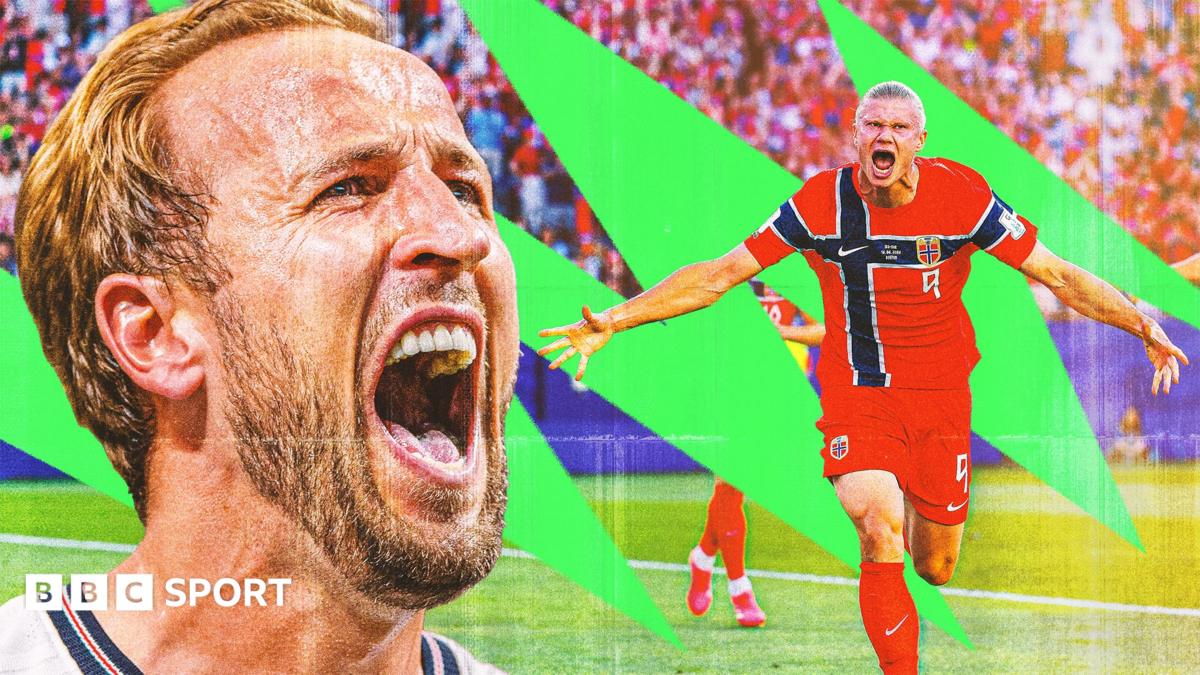
Harry Kane and Erling Haaland meet with a World Cup knockout place at stake — a classic confrontation between a creator-finisher and a pure finisher. This Kane and Haaland comparison puts the match context up front and lays out the measurable differences, tactical fits and selection scenarios to help coaches, analysts and fans decide who would be the better pick for the tie.
The decision is not simply about reputation: it affects formation, pressing triggers, set-piece emphasis and how a team manages 90 minutes (and beyond). Below is a compact, objective analysis structured around a short stats box, a playing-style breakdown, tactical match-up notes and clear, scenario-based selection guidance.
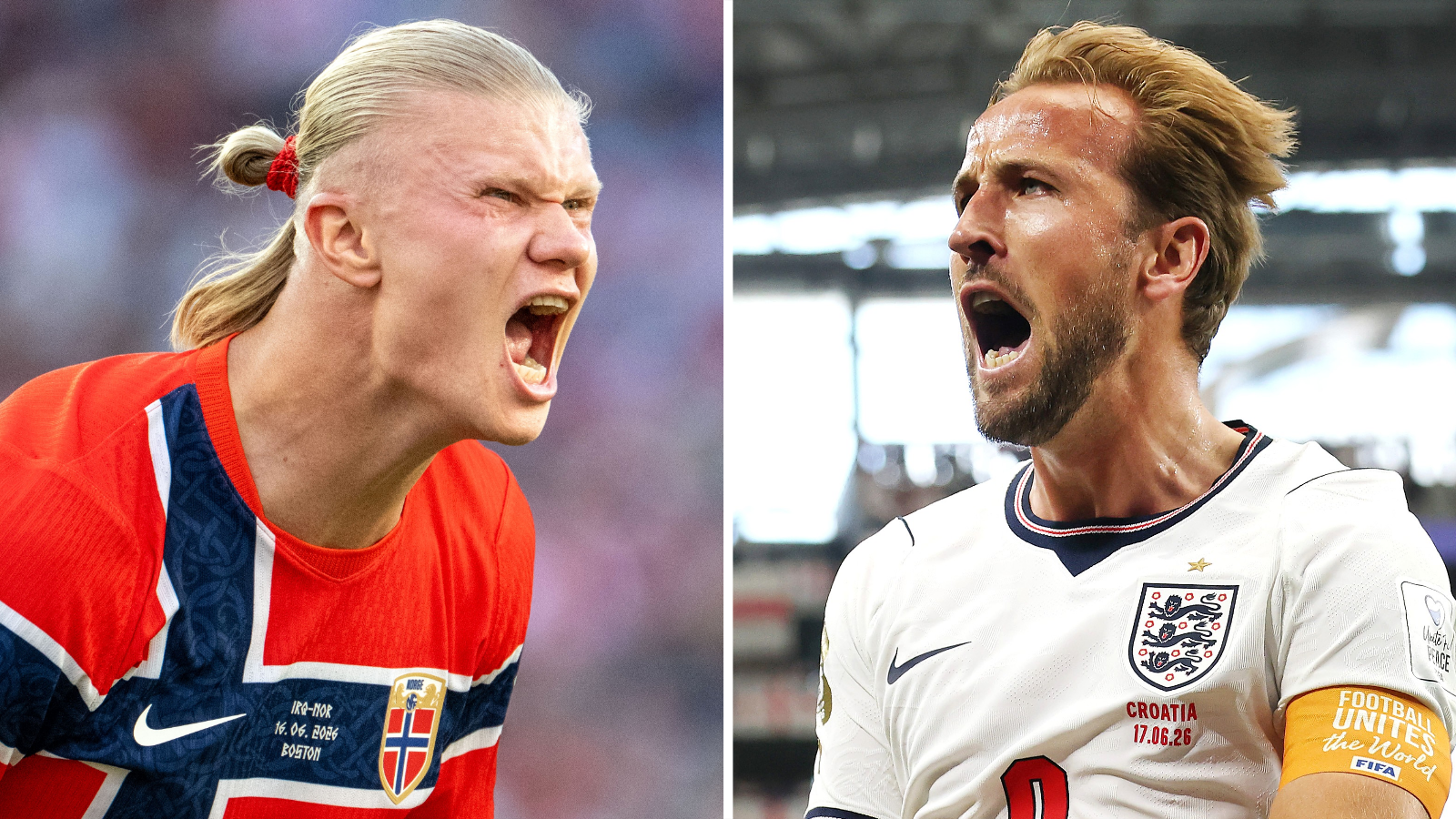
Head-to-head and key stats
Direct meetings between Kane and Haaland at senior international level are rare, so comparison leans on club form and international records. For the latest verified numbers — international goals, assists and caps — see the BBC Sport roundup linked in the source attribution at the end of this piece.
| Category | Harry Kane | Erling Haaland |
|---|---|---|
| Primary role | Creator‑finisher: drops deep, links play, penalty taker | Out‑and‑out finisher: runs behind, high shot conversion |
| Recent club form (qualitative) | Consistent goal returns and sustained involvement in build-up | Extremely prolific, high minutes-per-goal efficiency |
| Verifiable tallies | See BBC Sport link for latest goals, assists and caps | See BBC Sport link for latest goals, assists and caps |
Note: for exact numerical tallies (international goals, assists and caps) consult the BBC Sport summary cited at the end of this article. Those numbers are the reliable reference when finalising a selection.
Kane and Haaland comparison: How they play
Both strikers produce goals, but they do it in fundamentally different ways. That distinction matters when a coach is choosing a starter for a one-off knockout game.
- Movement and positioning: Haaland’s game is built on directness — explosive, straight-line runs that punish high defensive lines. Kane’s intelligent drifting and tendency to drop between the lines create space for teammates.
- Link-up play: Kane is elite at combining with midfielders and full-backs, often acting as a secondary playmaker. Haaland’s link-up is improving but remains secondary to his role as the primary finisher.
- Finishing types: Haaland converts chances inside the box at a very high rate; Kane scores from inside the box too but brings more variety — penalties, long-range shots and tap‑ins from created situations.
- Aerial and set-piece threat: Haaland’s size and power make him a header threat; Kane’s set-piece and penalty duties offer alternative scoring routes in a tight match.
- Defensive work and press: Both can lead a press, but Haaland’s role in high-press systems is often to trigger quick turnovers and run on transitions. Kane’s pressing may be more positional, aimed at disrupting build-up while retaining link-up value.
Tactical fit and match-up considerations
Selection should follow the team plan and opponent profile. Below are quick rules of thumb to guide a pick.
- If the opponent sits deep: Kane’s ability to drop, combine and create overloads can unlock a low block. His set-piece and penalty threat also increase scoring avenues when open-play chances are scarce.
- If the opponent plays a high line: Haaland’s pace and timing of runs are ideal. Teams that can win the ball high or hit quick transitions should favour Haaland for his ability to finish behind the defence.
- If possession and control matter: Kane gives more possession stability and can orchestrate attacks from the front, supporting midfield control.
- If you need an aggressive, direct finisher: Haaland’s box presence and shot-rate make him the sharper single-goal threat.
Who to pick for the tie
Short, scenario-led guidance helps translate these contrasts into a selection decision.
- Pick Kane if: you expect a tactical, low-opportunity match where set pieces and penalties may decide the tie, or when you want the forward to also create chances for wide runners and midfield inserts.
- Pick Haaland if: your plan prioritises quick transitions, exploiting space behind defenders, or you need a forward whose primary job is to finish the opportunities your system produces.
- Consider match management: In late moments, Kane’s composure and passing allow better control; Haaland’s presence can force late breakdowns in defences by sheer threat value.
Why this matchup matters
This clash is a microcosm of a wider tactical debate in modern football: the value of versatile forwards who create and score versus specialised finishers who maximise conversion. In a World Cup knockout, the choice shapes substitutions, pressing plans and set-piece strategy.
Both players change games. The selection is less about declaring an outright better player and more about matching player profile to match plan. That is why coaches weigh opponent tendencies, game state possibilities (leading, chasing, level) and squad balance when choosing between Kane and Haaland.
Byline: Nonstop News SEO Team
Published: 9 July 2026 | Category: Sports
Source attribution: Analysis informed by BBC Sport — see the original BBC Sport comparison for the latest verified tallies and background reporting: How Kane and Haaland compare – who would you pick?. Featured image and body image candidates credited to BBC Sport.