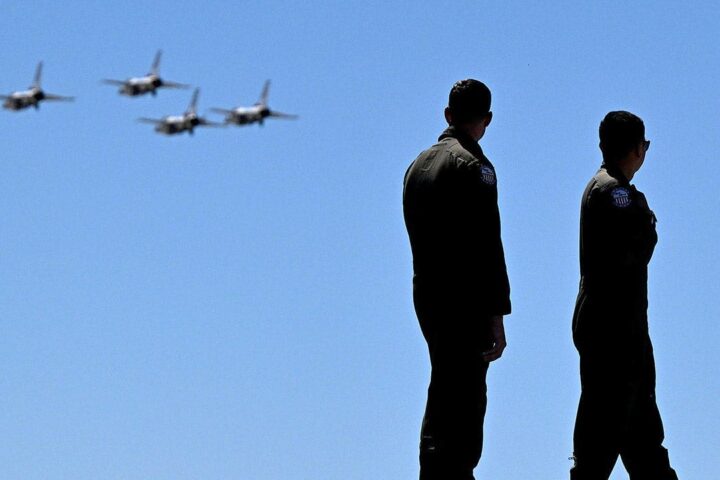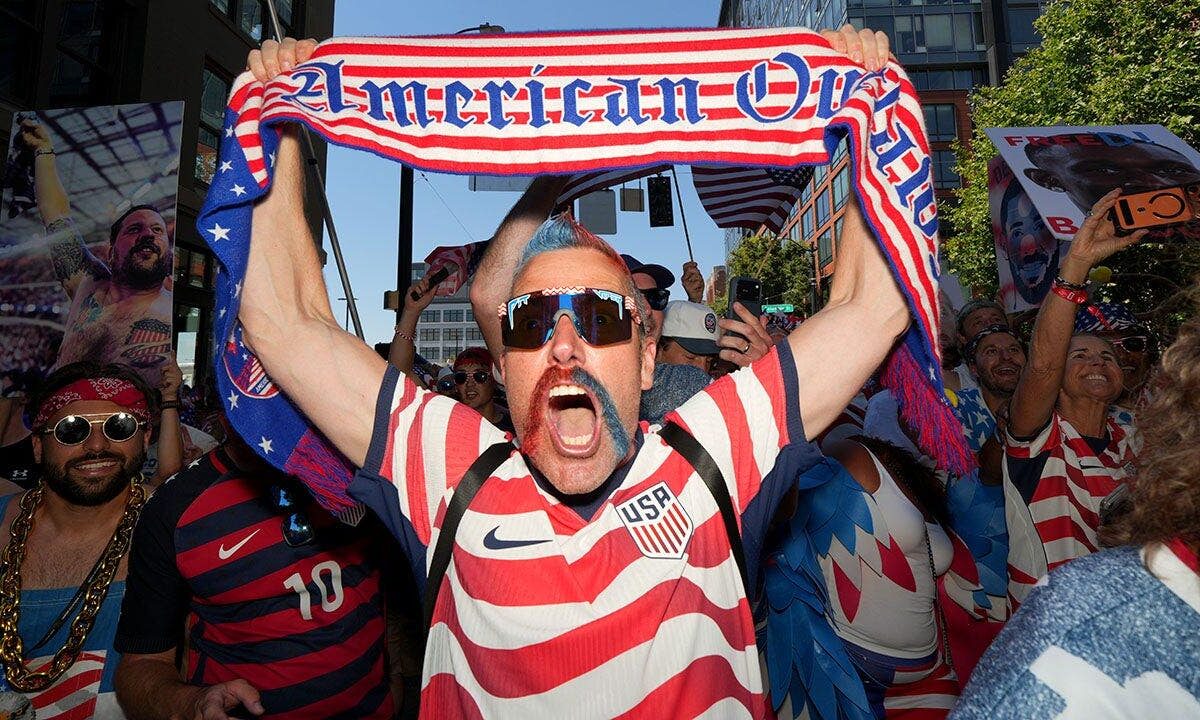
“It’s been amazing,” Department of Homeland Security Secretary Markwayne Mullin told Fox News, praising the coordinated World Cup security effort in Seattle and Los Angeles and saying federal, state and local partners are keeping fans safe without overtly militarized displays. (Fox News interview with Jonathan Hunt)
What Mullin said about World Cup security
In an interview with Fox News Chief Correspondent Jonathan Hunt, Mullin repeatedly used the word “amazing” to describe the teamwork among agencies working the tournament. He stressed that much of the protection work happens out of sight and that operational disagreements on unrelated policy areas have not undermined the mission to protect spectators. (Fox News)
“We may disagree on a lot of stuff when it comes to immigration and maybe some other issues, but when it comes to protecting the fans and the fans’ experience here, in LA or in other areas around the country we’ve all really worked together,” Mullin said, attributing the smooth posture to interagency cooperation. He also cautioned that some security measures are intentionally discreet to preserve the public atmosphere. (Fox News)
How security is organized at major venues
Mullin described the operation as a layered security operation that combines federal law enforcement assets with state law enforcement and local law enforcement at stadiums and fan zones. He said those layers include intelligence-sharing, integrated on-site planning and interoperable communications so agencies can react quickly to threats while maintaining clearly defined roles. (Mullin interview, Fox News)
According to Mullin’s account, a portion of the work is done “undercover or in the background” to detect and deter bad actors without creating a heavy visible presence that could alarm visitors. He singled out Seattle and Los Angeles as examples where federal, state and local teams have coordinated planning and on-site staffing through joint command posts and liaisons. (Fox News)
These operational elements — federal law enforcement providing national threat intelligence and specialized resources, state agencies contributing regional support, and local police managing crowd control and venue security — are standard practice for large events and were emphasized by Mullin as part of the World Cup security posture. (Fox News; DHS role described by statute)
Fan safety and the event experience
A central theme of Mullin’s remarks was protecting fans’ experience while avoiding an overbearing security footprint. “We want people to enjoy their time. We don’t want to feel like they’re walking through a war zone, but we want to let everybody know we’re also working very hard to secure the premises,” he said. (Fox News)
Mullin credited fans themselves — both from the U.S. and overseas — for helping maintain a safe environment through vigilance and respectful behavior. He noted that many international visitors were surprised by the low-key appearance of security, which he tied to deliberate choices to operate quietly where possible. (Fox News)
Timing and what comes next
Mullin said his team would remain on heightened alert as the tournament reached its final days and stressed the importance of continued cooperation ahead of and after the World Cup Final. He acknowledged the personal toll on operational staff, saying he “won’t get a good night’s sleep until July 20,” the day after the final, a comment he made to emphasize sustained 24/7 responsibilities. (Fox News)
He described plans to sustain intelligence-sharing, layered patrols and coordination at transportation hubs and fan-dispersal points through the final matches and into the post-event period, urging federal, state and local partners to keep working together. (Fox News)
Background on DHS and the World Cup
The Department of Homeland Security has statutory responsibility to coordinate federal efforts for major events and to support state and local authorities when requested. Mullin framed the World Cup security posture as part of that role, stressing interagency cooperation and planning. (DHS functions; Mullin remarks on Fox News)
In the interview he also referenced the decision to bring the World Cup to the United States and tied that point to broader political commentary, presenting those remarks explicitly as his perspective on how the tournament came to American soil. The article presents those political remarks as Mullin’s framing. (Fox News)
Source: Fox News — interview with DHS Secretary Markwayne Mullin