Federal officials say the Minnesota Department of Health (MDH) voluntarily withdrew the Capacity Strengthening Initiative after the U.S. Department of Justice opened a civil-rights compliance review under Title VI of the Civil Rights Act. The announcement, made by the Justice Department’s Civil Rights Division, identified race-focused eligibility language in the program materials and prompted the state to pause and remove the initiative as drafted.
What was the Capacity Strengthening Initiative
The Capacity Strengthening Initiative (description taken from a 2023 third-party Grant Portal summary) was a state grant program described as supporting metro and rural community-based and faith-based organizations. The Grant Portal summary said the program aimed to “support and strengthen the capacity of metro and rural community-based organizations and faith-based organizations serving people of color, American Indians, LGBTQIA+, and people living with disabilities.” That language — from the Grant Portal summary and program materials the DOJ reviewed — is the basis for the department’s concern, according to the DOJ statement.
DOJ review and MDH response
The Justice Department said it initiated a Title VI compliance review after identifying program criteria that limited eligibility by race and prioritized certain racial groups. The Civil Rights Division reviewed whether the program, as written, complied with the statute that bars discrimination by recipients of federal financial assistance.
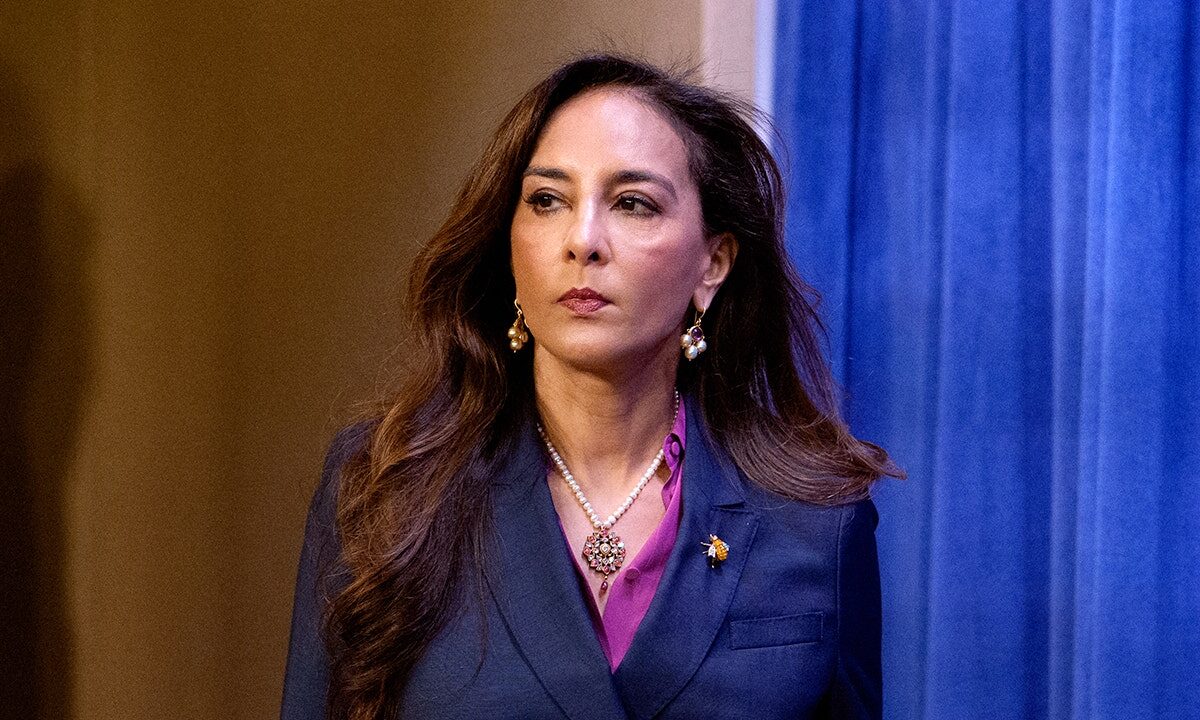
Following the DOJ review notice, MDH withdrew the program. The DOJ’s public statement credited Minnesota with recognizing the legal concern and noted that the state repealed the statute the program relied on, per the department’s account. Assistant Attorney General Harmeet K. Dhillon (Civil Rights Division) was named in the DOJ announcement emphasizing that recipients of federal funds cannot make benefit decisions on the basis of race, color, or national origin.
Legal basis under Title VI
Title VI of the Civil Rights Act prohibits discrimination on the basis of race, color, or national origin by entities that receive federal financial assistance. In practice, that means state agencies and other recipients must ensure their programs do not favor or exclude people from federally supported benefits because of those protected characteristics.
The DOJ framed its action as an enforcement review to determine whether the program’s written criteria would run afoul of that prohibition. DOJ statements describe a standard that bars using race-based priorities in eligibility or award decisions when federal funds are involved. The department’s announcement did not present a court finding; rather, it detailed the initiation of an administrative compliance review and the state’s subsequent withdrawal of the program as described by DOJ.
Implications for state grant programs
States that rely on federal funding are likely to reassess how they design and describe grant programs intended to reach historically underserved groups. A common approach after such reviews is to revise eligibility and scoring language, add clear nondiscrimination clauses, and adopt race-neutral targeting mechanisms that still reach disadvantaged communities.
Possible race-neutral approaches include focusing on geographic targeting (areas with documented disparities), income and poverty indicators, language-access needs, or other objective measures tied to disadvantage. Grant administrators may also add outreach plans to ensure historically underserved organizations know about funding opportunities without using explicit race-based eligibility criteria.
Administrative steps often follow: legal reviews of program materials, staff training on nondiscrimination obligations, and closer monitoring of award criteria. States may also consult DOJ guidance or seek written assurances when designing initiatives that aim to support specific populations, to balance the policy goal of aiding underserved communities with Title VI compliance.
Background and timeline
— 2023: Third-party Grant Portal summary described the Capacity Strengthening Initiative as targeting organizations serving people of color, American Indians, LGBTQIA+, and people living with disabilities (this description originates with the Grant Portal summary, not an MDH press release).
— 2026: The U.S. Department of Justice announced it had initiated a Title VI compliance review after identifying race-focused language in the program materials (according to the DOJ statement).
— Immediately after the review was opened, MDH withdrew the program and — as the DOJ reported — the state repealed the statute referenced in the program framework. The DOJ characterized the state action as recognizing the limitations Title VI places on recipients of federal funds.
Source and next steps
The DOJ’s review does not itself establish liability; it begins an administrative process to determine compliance. Moving forward, stakeholders say states will likely update grant descriptions and scoring rubrics, increase legal clearance for race-conscious language, and opt for race-neutral alternatives that accomplish similar outreach goals. Agencies may also proactively reach out to the Justice Department for guidance when proposals could raise Title VI questions.
FAQ
What was the Capacity Strengthening Initiative
As described on a third-party Grant Portal in 2023, the Capacity Strengthening Initiative was a Minnesota grant program intended to support metro and rural community-based and faith-based organizations serving people of color, American Indians, LGBTQIA+, and people with disabilities. That Grant Portal description is the source for the program’s stated target populations referenced in the DOJ review.
Why did the DOJ review the grant program under Title VI
The DOJ opened a Title VI compliance review after identifying race-based eligibility and prioritization language in the program materials. Under Title VI, recipients of federal financial assistance cannot make benefit decisions based on race, color, or national origin; DOJ statements explained that standard as the basis for its review.
What happens now to similar state grant programs
Similar programs will likely undergo legal and administrative reviews; states may reword eligibility criteria, use race-neutral targeting methods, add nondiscrimination safeguards, and provide additional training for grant staff to avoid Title VI vulnerabilities.
Sources: U.S. Department of Justice statement (Civil Rights Division); 2023 Grant Portal summary describing the Capacity Strengthening Initiative (third-party description); Fox News Digital reporting, which contacted the DOJ and the Minnesota Department of Health for comment. Some program descriptions above are drawn from the Grant Portal summary (labeled as such) and DOJ statements (labeled as such) to distinguish the sources of specific details.