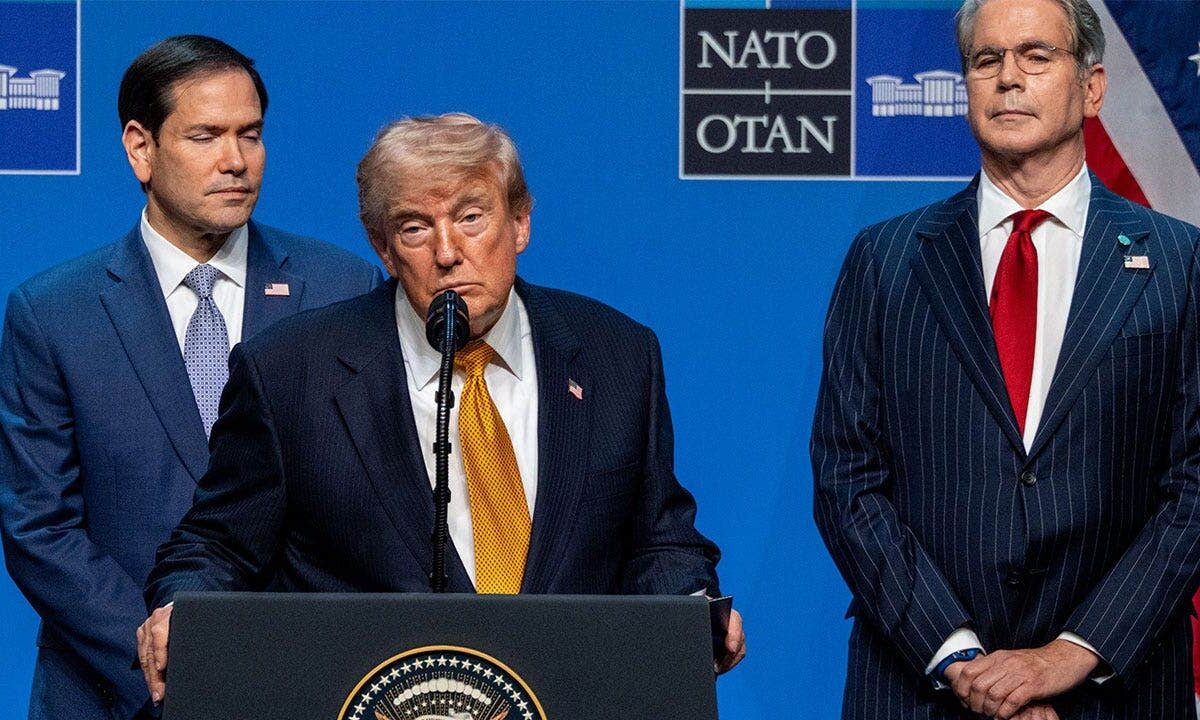
Israel shared intelligence with U.S. officials indicating Iran had developed a fresh Iran assassination plot against Trump, the Wall Street Journal reported, citing people familiar with the matter. The report, based on anonymous sources identified by the Journal, has not been independently confirmed by other outlets.
What the Wall Street Journal reported (not independently confirmed)
The Wall Street Journal published reporting saying Israeli officials provided U.S. counterparts with intelligence that suggested Iran developed a plot targeting former President Donald Trump. The Journal attributed its account to anonymous people said to be familiar with the intelligence. This article repeatedly notes the Journal’s sourcing and treats the details as reported allegations pending independent confirmation.
According to the Journal, the alleged plot tied into longstanding Iranian grievances stemming from the U.S. killing of Qassem Soleimani in 2020. The Journal also reported that some mourners at a recent funeral chanted for Trump’s death and carried a banner with a message interpreted by some attendees as a call for violence; those specifics were part of the Journal’s reporting and remain unverified here.
Iran assassination plot against Trump: what we know
Public reporting indicates Israel shared intelligence with the United States that U.S. and allied officials interpreted as indicating a renewed or new threat. The Wall Street Journal’s account is the primary source for the allegation, and its story relies on anonymous sources described as familiar with the intelligence.
While details in the Journal’s story vary in specificity, the reporting places the alleged threat in the context of Iran’s long-standing vows to retaliate for the 2020 killing of Qassem Soleimani — the former commander of the Islamic Revolutionary Guard Corps’ Quds Force, who was killed in a U.S. strike in Baghdad. Iran has repeatedly framed Soleimani’s death as a justification for reprisal and has prioritized messaging around revenge in both official statements and some public demonstrations.
Background: Qassem Soleimani
Soleimani led the Quds Force, a unit within Iran’s Islamic Revolutionary Guard Corps responsible for external operations, including support for proxies across the Middle East. He was widely regarded as a central strategist for Iran’s regional policy. His death in 2020 prompted vows of retaliation by Iranian leaders and has remained a focal point of rhetoric and occasional proxy escalation since then. That history is central to why some analysts and officials would view new intelligence through the lens of possible motives for targeting U.S. officials.
U.S.-Israel coordination and reactions
The Journal reported the intelligence was shared amid ongoing consultations between Washington and Jerusalem. According to media accounts, Israeli and U.S. officials have continued to coordinate on posture and messaging related to Iran’s activities across the region.
Reporting cited by media outlets indicated that Israeli Prime Minister Benjamin Netanyahu and former President Trump have discussed related security matters; the Journal’s and subsequent accounts described a pattern of information-sharing rather than a public operational response at the time of reporting.
The White House, when asked about the Journal’s report, directed some inquiries to President Trump’s public remarks, per media coverage. Fox News Digital and other outlets said they reached out to Israel’s Embassy in Washington and to Iran’s Mission to the United Nations for comment. This outlet likewise notes those outreach efforts and that direct confirmations were not provided publicly by the named governments at the time of reporting.
Verification, risks and what comes next (not independently confirmed)
Because the Journal’s story is based on anonymous sources described as familiar with the intelligence, independent confirmation was not available to this outlet at publication. Intelligence reporting can range from raw, preliminary leads to multi-agency assessments; outside reporters often cannot verify underlying intercepts or operational details in real time.
If agencies assess a threat as credible, standard responses include protective measures for potential targets, increased monitoring of suspected actors, and briefings for senior officials and lawmakers. Governments may also choose to keep specific steps confidential while they evaluate and corroborate reporting, which can limit immediate public disclosure.
Possible next steps include additional public statements from U.S. or Israeli officials, classified briefings for congressional leaders, or follow-up reporting by outlets seeking corroboration. Analysts say the situation — if substantiated — could affect diplomatic and military planning in the region, including contingency measures to protect U.S. personnel and assets and further intelligence sharing among allies.
Observers caution that political rhetoric and public demonstrations can complicate assessments of intent and capability. Crowds chanting or displaying hostile slogans do not on their own establish an operational plot; intelligence assessments require corroboration across sources, technical evidence and corroborating human intelligence when possible.
Officials familiar with intelligence work underscore that naming a potential target publicly can itself influence threat calculations and the public response. The balance between alerting potential targets and protecting intelligence sources and methods is a persistent challenge for governments and media outlets covering such claims.
Source attribution and who was contacted
This article relies primarily on reporting by the Wall Street Journal, which attributed its account to anonymous people familiar with the intelligence. Fox News Digital and other outlets reported on the Journal’s story and noted they had sought comment from Israel’s Embassy in Washington and Iran’s Mission to the United Nations. The White House response, as reported, directed some questions to President Trump’s own public comments.
Because the key details derive from anonymous sourcing in the Journal’s report, this outlet could not independently verify the operational aspects of the alleged plot at the time of publication. Readers should consider the Journal’s reporting as an important account to follow while awaiting additional confirmation or official statements.
Original reporting: Wall Street Journal. Additional coverage referenced: Fox News Digital. Parties contacted for comment included Israel’s Embassy in Washington and Iran’s Mission to the United Nations; the White House was also asked and, per media accounts, referred to public remarks by President Trump.