Energy Secretary Chris Wright told Fox News Digital that the U.S. military — not Iranian restraint — has been the primary factor keeping oil flowing through the Strait of Hormuz, a claim he said should reassure Americans worried about rising gas prices.
Speaking at the Great American State Fair on the National Mall, Wright framed recent maritime incidents and U.S. responses as manageable for U.S. fuel markets while also highlighting a new discounted gas chain he said could help consumers immediately at the pump.
What Wright said on gas prices
Wright opened his remarks by stressing, “It has not been any good behavior from Iran that’s allowed oil to flow. It’s been the United States military.” He added, “That’s not changing,” crediting U.S. forces with assuring shipments through the Strait of Hormuz “throughout” recent weeks, according to Fox News Digital’s coverage of the event.
He told reporters the administration is “constantly watching the supply of oil, the supply of refined products and what’s going on there,” and described current trends as “still all positive trends.” Wright used the appearance to offer a calm assessment aimed at consumers concerned about pump prices, emphasizing active monitoring by U.S. agencies and military protection of shipping routes (Fox News Digital, Great American State Fair remarks).
Reported attacks in the Strait of Hormuz
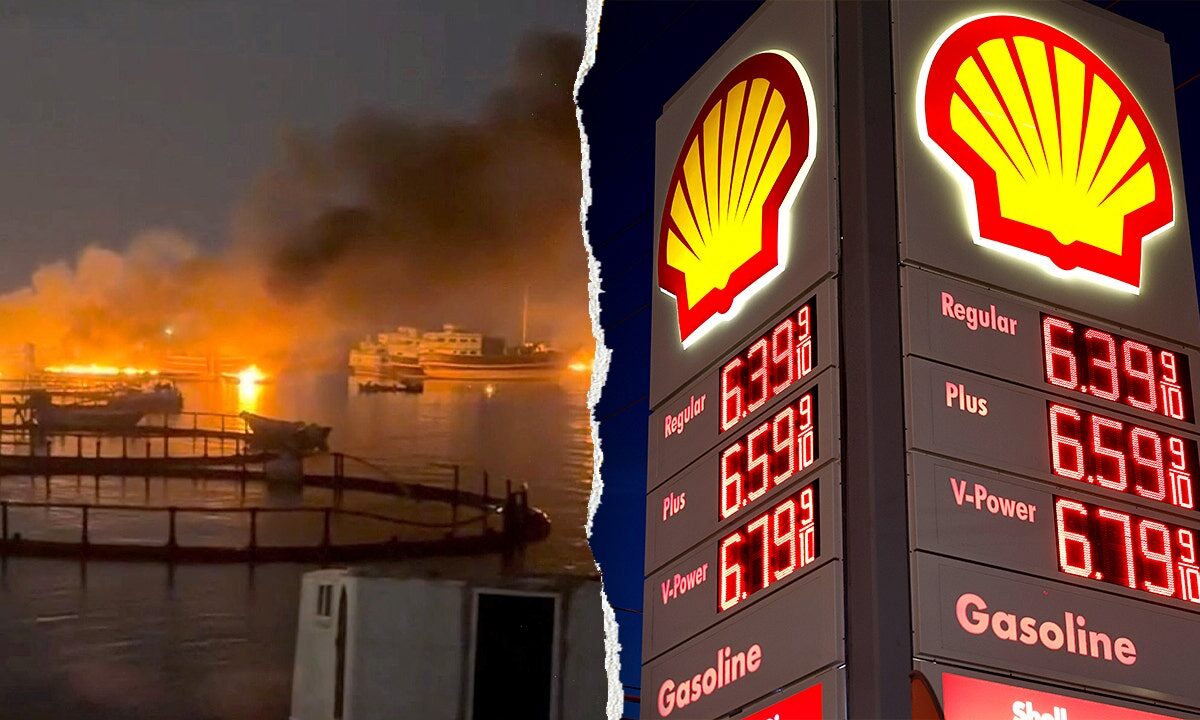
Fox News Digital reported that Iran reportedly struck three commercial vessels transiting the Strait of Hormuz on Monday and Tuesday, prompting stepped-up U.S. responses and heightened regional tension. That reporting is the source for Wright’s references to recent maritime incidents (Fox News Digital).
These reports are described in coverage as alleged attacks and have not been independently verified by The Nonstop News. U.S. and regional officials, as noted in the sourced story, were continuing to seek confirmation of responsibility and the full circumstances surrounding the incidents. Our article labels those accounts as reported and unverified pending independent confirmation from official investigators or multiple corroborating sources (Fox News Digital).
How oil flow affects U.S. gasoline supply
Crude oil moves through global chokepoints such as the Strait of Hormuz on its way to refineries. Disruptions or perceived risks to that flow can tighten global supply, lifting crude prices on international markets. Higher crude costs increase the feedstock price for refineries, which can raise wholesale gasoline costs and eventually retail pump prices.
Wright specifically pointed to refined product supplies as well as crude, saying the administration watches both crude flow and “the supply of refined products.” That distinction matters: even if crude remains available, interruptions to refinery operations, distribution networks or port access can reduce the gasoline and diesel available domestically.
In short, supply-chain frictions at sea can translate into higher gasoline prices for American drivers, especially if market participants react to geopolitical risk by tightening trading positions or insurers raise premiums on maritime shipments. Wright’s remarks framed the military presence as a stabilizing factor for that supply chain in the near term (Wright remarks to Fox News Digital).
Freedom Fuel and the push to lower pump prices
Wright used the fair appearance to praise Freedom Fuel, a new chain of discounted gas stations with sites in Pennsylvania and New Jersey, describing it as a market-driven way to reduce consumer costs. He said, “We love it. I mean, look, any mechanism we can to lower energy costs for Americans of all kinds, we’re all in on,” per the Fox News Digital report.
The coverage Wright cited reports that Freedom Fuel is selling gasoline down to its wholesale price, and that station profitability is expected to come from in-store convenience sales rather than fuel margins. The characterization that gasoline is being sold “down to wholesale price” is presented as Wright’s description of the chain’s business model and as what the Fox News Digital piece reported about Freedom Fuel’s pricing strategy (Fox News Digital).
We have not independently audited Freedom Fuel’s pricing or profitability claims. The assertion that the chain sells at or near wholesale is attributed to Wright and the reporting he cited and should be treated as a reported business claim pending accounting or third-party confirmation.
Consumer choices and EV uptake
Wright also linked the gasoline conversation to broader consumer behavior trends. He noted an increase in buyers choosing electric vehicles as one pathway to reduce long-term fuel costs and observed that Tesla continues to dominate that market segment, as referenced in the Fox News Digital coverage of his remarks.
He framed the matter as consumer choice: “Consumer choice — you wanna buy an electric car, you wanna buy a gas powered car, diesel powered car, buy a big truck. That’s the choice.” The comment underscored the administration’s public messaging favoring market-driven decisions across vehicle types while acknowledging that different households face different cost and utility calculations.
For many drivers, near-term gasoline price relief can matter more than longer-term vehicle choices. Wright’s dual focus — short-term relief via discounted stations and long-term transitions via EV uptake — was intended to address both immediate consumer pain at the pump and structural shifts in vehicle purchasing.
What comes next
Officials and markets will continue to monitor maritime security in the Strait of Hormuz and global crude and refined-product inventories. If the reported strikes are confirmed and if broader disruptions follow, markets could respond with higher crude and wholesale gasoline prices, which would likely move through to retail prices over time. Conversely, sustained protection of shipping routes and steady refinery output could limit price pressure, as Wright suggested.
The timing and magnitude of any price effects depend on multiple factors: the veracity and scale of the reported attacks, insurer and shipping responses, OPEC+ production decisions, refinery utilization rates, and domestic gasoline inventories. Wright emphasized active monitoring but did not offer a specific price forecast (Wright remarks to Fox News Digital).
Source attribution and verification notes
This article is based on Energy Secretary Chris Wright’s remarks to Fox News Digital at the Great American State Fair on the National Mall and related Fox News Digital coverage of reported maritime incidents in the Strait of Hormuz. The original Fox News Digital story is here: WATCH: Trump’s Energy chief reveals what escalating Iran tensions could mean for gas prices (Fox News Digital).
Key factual notes and verification status:
– Wright’s comments about the role of the U.S. military in keeping oil flowing are presented as his statements at the event and are attributed to Fox News Digital’s reporting of his remarks.
– The report that Iran struck three commercial vessels in the Strait of Hormuz is described in the sourced coverage as reported and remains an allegation. That account has not been independently verified by The Nonstop News and should be treated as unconfirmed until corroborated by multiple, independent sources or official investigations.
– Claims about Freedom Fuel selling gasoline to wholesale price and relying on convenience-store revenue reflect Wright’s characterization and the reporting he cited; they have not been independently audited here.
We will update this story as additional independently verified information becomes available.