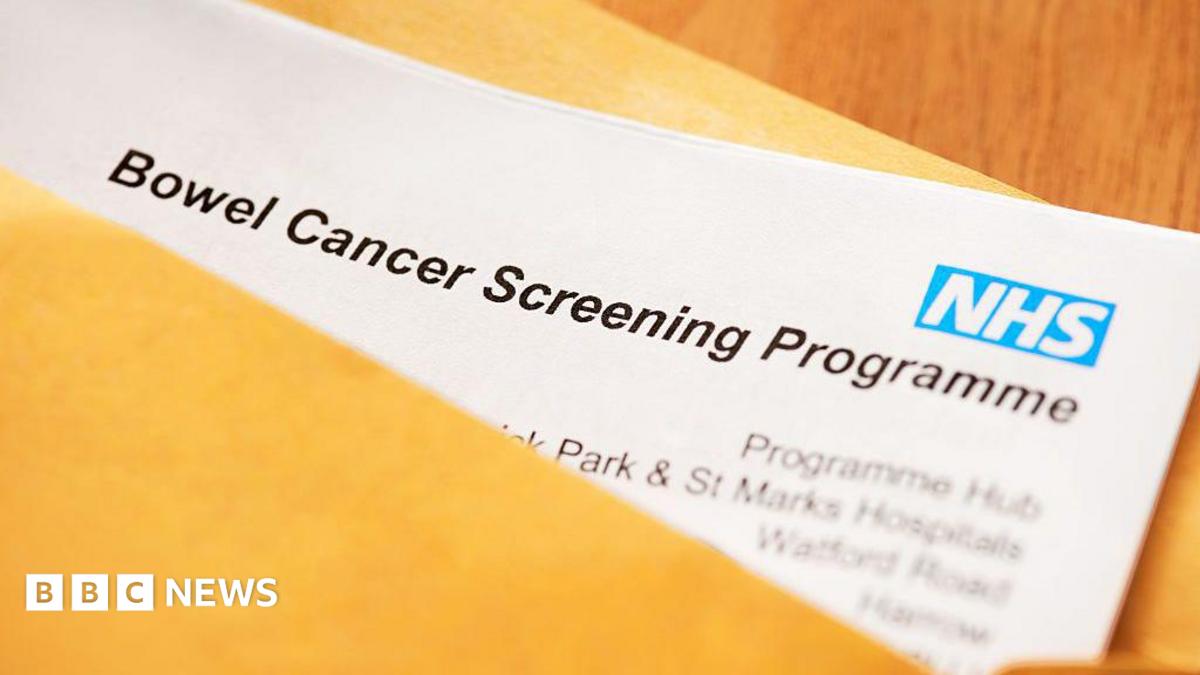
Health officials are urging people in their 50s to complete bowel cancer screening after a BBC News – Health report said little over half of 54-year-olds returned their free at-home test kits. The call to action asks eligible adults to check for an invitation, complete the simple test at home and return it promptly so the screening programme can work effectively.
bowel cancer screening
Quick update: what officials reported
BBC News – Health published a report on 11 July 2026 summarising concerns from health authorities about participation in routine screening. Officials highlighted that little over half of 54-year-olds had completed their free at-home test kits and used the finding to urge eligible people in their 50s not to delay returning kits.
The message from public-health teams stresses that the test is free, designed to be done at home without clinical attendance, and that returning it quickly helps the programme identify people who need further assessment.
Who should complete bowel cancer screening and how
National screening programmes invite people in specified age ranges; the exact ages and frequency vary by country. This report focuses on the group of people in their 50s who receive invitations and free at-home test kits as part of routine screening.
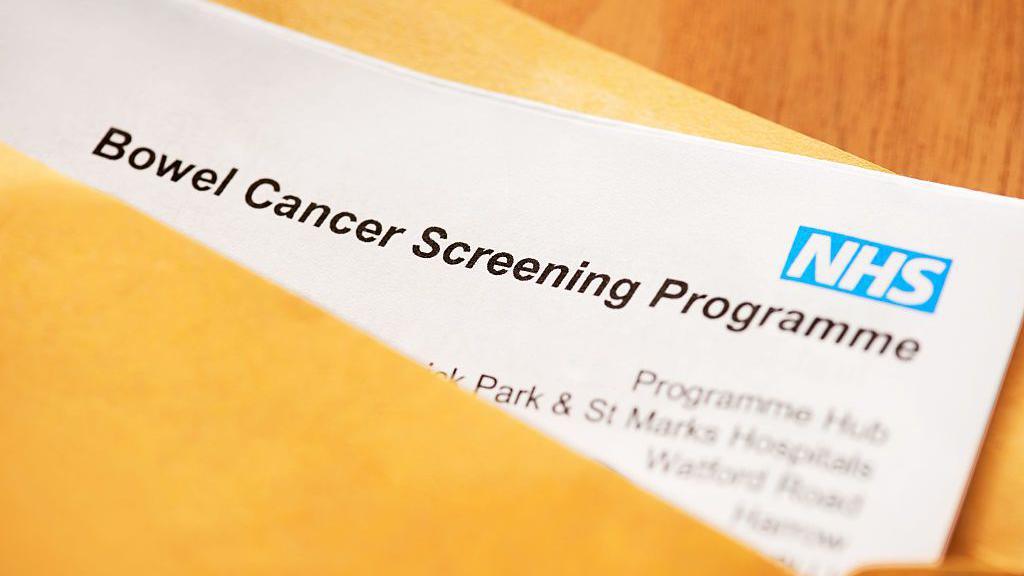
At-home kits typically contain simple sampling tools, clear printed instructions and a pre-paid return envelope. Users take a small stool sample at home, follow the included instructions to package it securely, and send it back for laboratory analysis. The process is intended to be quick and private.
Help is usually available if instructions are unclear: the screening service often lists phone numbers, web FAQs or other support channels on the paperwork that comes with the invitation. Those contact details can be used to ask for help, request a large-print pack, or arrange additional support if needed.
Uptake concerns: 54-year-olds and the numbers
Officials pointed to the BBC report that cited a worrying participation level among 54-year-olds: little over half had completed their free at-home test kits. That prompted renewed calls for people in their 50s to take part in screening when invited.
There is an important caveat about the figure. The BBC coverage summarised officials’ concerns but did not publish full methodological details, wider age-group comparisons or the raw data behind the statement. As such, the “little over half of 54-year-olds” figure should be treated as an indicator of uptake concerns reported by officials rather than a comprehensive or independently verified analysis.
Screening uptake can be affected by many factors: awareness of the programme, whether a kit was delivered, misunderstandings about how to use it, language or accessibility barriers, and personal reasons. Officials say reducing practical obstacles and improving support can help participation rates.
What eligible people should do next
If you are in your 50s and received an invitation for bowel cancer screening, check your post and any paperwork for the kit. Completing and returning the kit is usually quick and remains one of the routine steps public-health services use to detect possible signs needing follow-up.
Practical steps for people in their 50s:
- Check for an invitation and the kit in the post; the invitation will explain eligibility and how to use the test.
- Read the included instructions carefully and collect the sample as described using the materials supplied.
- Return the kit promptly in the pre-paid packaging so labs can process the sample without undue delay.
- If you did not receive a kit or you lost it, request a replacement from the screening service as soon as possible using the contact details on the invitation or paperwork.
If you have concerns about doing the test, contact the screening helpline or your healthcare provider for advice. They can explain the steps, arrange a replacement kit, or point to local support services if you need help completing the test.
Practical considerations and caveats
Completing a screening kit is a preliminary check, not a diagnosis. A positive result leads to clinical follow-up, while a negative result reduces the immediate likelihood of detectable signs but does not remove long-term risk. Officials emphasise that screening is part of routine population-level public-health measures to detect possible problems early.
Readers should treat the officials’ participation figures as a prompt to act rather than an assessment of individual risk. The BBC report summarised officials’ concerns; it did not publish full programme-level statistics or the source data for the 54-year-old figure within the same article.
For anyone unsure about eligibility or the practical steps, check the information included with your invitation or contact the screening service listed on the paperwork for detailed guidance and support options.
Source: BBC News – Health. For the original report, see People in 50s urged to complete bowel cancer screening (BBC News – Health, 11 July 2026).
Note: This article summarises the BBC report and statements from health officials about screening uptake and does not provide personalised medical advice. Contact your healthcare provider for guidance tailored to your situation.