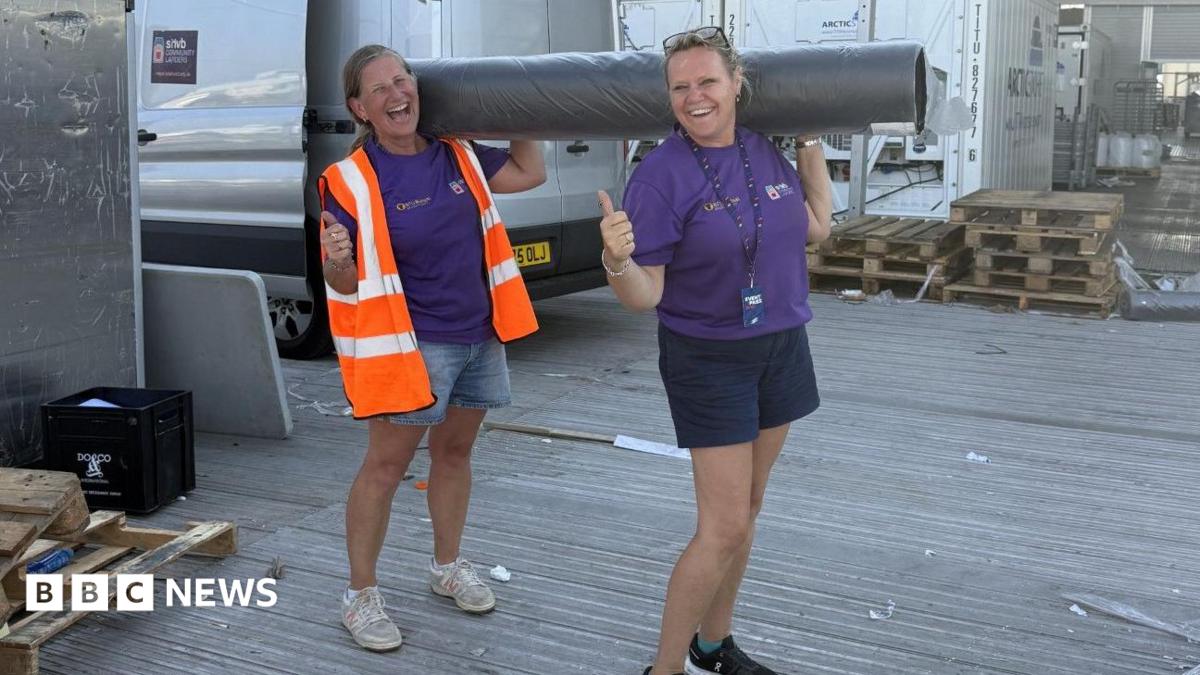
Two community groups told the BBC they had “We’ve saved 34 tonnes of food and a carpet” while reporting what organisers described as record attendances at recent reuse and giveaway events. The groups said surplus food and a range of household items were set out free for local residents, with volunteers overseeing distribution. The 34 tonnes figure and the carpet anecdote are presented as the organisers’ claim.
Claims: We’ve saved 34 tonnes of food and a carpet
Organisers told the BBC that, across a series of sessions, they had diverted what they calculated as 34 tonnes of food from disposal. They also highlighted a carpet among the items given away, using it as an example of the varied donations that turned up at events described as “random items” alongside staple groceries.
Groups reported “record attendances” but did not supply precise attendance numbers. The headline weight is drawn from organisers’ own counts and estimates and is presented in the BBC report as the groups’ claim rather than an independently verified total.
How the groups say they operated
The groups described the events as open giveaways and reuse days held at community venues. Surplus, donated or rescued food was displayed for people to take for free alongside household goods offered on a first-come basis. Volunteers sorted items and prioritised distributing food still safe to consume.
Organisers said items came from a mix of local partners, small businesses, and household donations and were redistributed directly at the events over several sessions. They emphasised low barriers for attendees: no forms, free access and a focus on practical help for households.
Methodology (how the weight may have been estimated)
The BBC report does not include a detailed audit of the groups’ methods, but organisers told reporters they used a mixture of approaches that are common in reuse projects: weighing boxes or pallets of items on-site, tallying boxed donations and converting counts to approximate weights, and sometimes estimating from the volume of bags and crates collected.
Different approaches produce different totals. For example, including packaging or counting boxes rather than individual items can increase the recorded weight. The groups told the BBC they combined on-site weighing with box-count conversions to reach their 34-tonne total.
“Record attendances” — organisers’ description of turnout at the giveaway sessions.
Local impact and public response
Organisers said turnout was higher than in previous events and that the mix of food and miscellaneous household goods met diverse local needs. Volunteers described the sessions as practical relief and informal community spaces where neighbours meet, swap tips and access support.
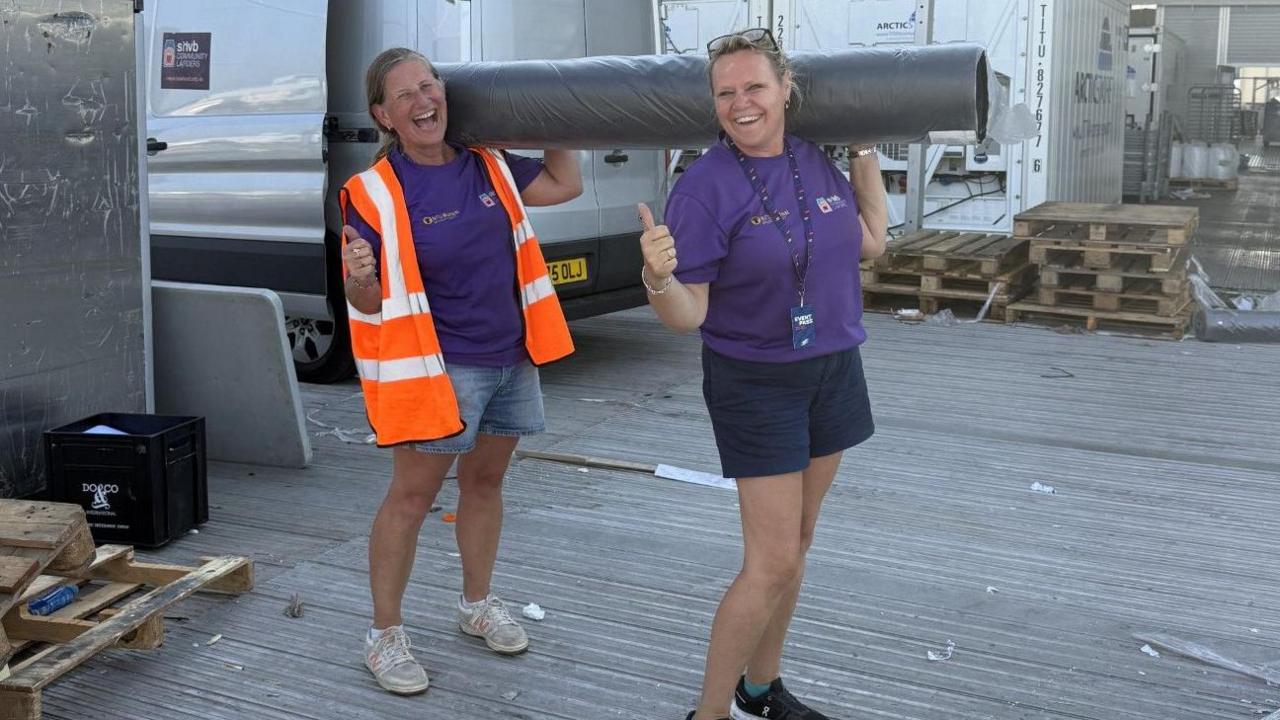
A vivid anecdote underlined this human effect: volunteers found a rolled-up carpet among household donations, which was taken by someone who needed it that day. The groups used the carpet story to show how the giveaways could provide immediate, material help beyond groceries.
Volunteers and attendees told the BBC they often left with staple items, fresh produce and pantry goods. Organisers also said the events reduced the volume of edible food sent to waste and helped local residents on tight budgets.
Limits and verification of the figures
The 34 tonnes figure and the carpet anecdote are reported as claims by the two community groups and have not been independently verified in the BBC report. Organisers did not publish a detailed breakdown of attendance figures or a full audit showing how each kilogram was counted.
Because recording practices vary — some groups weigh everything on-site while others estimate from boxes or counts — headline weight figures should be treated cautiously. The BBC explicitly frames the number as the groups’ calculation rather than an independently corroborated total.
In short: the 34-tonne total is a claimed figure. The carpet story is an anecdote provided by organisers and reported by the BBC; it illustrates the variety of donations but is not an independently confirmed representative sample of all items redistributed.
What the groups say comes next
The community groups told the BBC they plan to continue giveaways and reuse days and aim to expand outreach to sustain higher attendance and rescue more usable food. Organisers said they recognise the value of clearer reporting and hope to improve record-keeping to better demonstrate impact to donors and partners in future events.
They also emphasised volunteer involvement and local partnerships as central to keeping sessions running and reaching people who might otherwise miss out on surplus food and useful household items.
FAQ
What happened with “We’ve saved 34 tonnes of food and a carpet”?
Two community groups organised reuse and giveaway events where they distributed food and various household items. They told the BBC these activities together amounted to 34 tonnes of food diverted from disposal and that a carpet was among items given away.
Why does it matter?
Claims like this highlight local action to reduce food waste and support residents. If accurate, they show how community-level reuse can both cut waste and provide immediate help. The report also signals increased public engagement, with organisers citing record attendances.
What happens next?
The groups say they will keep running and expanding giveaways, and that they hope to improve reporting and transparency so future claims can be more readily verified.
Source: BBC News – Business. Original reporting: We’ve saved 34 tonnes of food and a carpet. The BBC report frames the 34 tonnes total and the carpet anecdote as the community groups’ claims; these figures have not been independently verified in the reporting above.