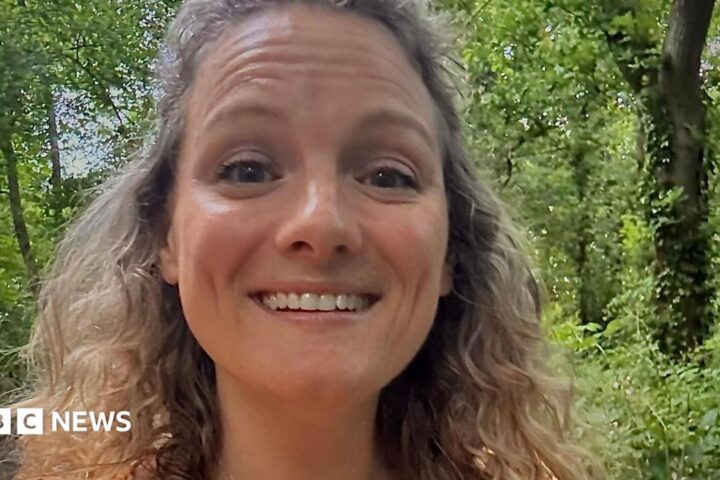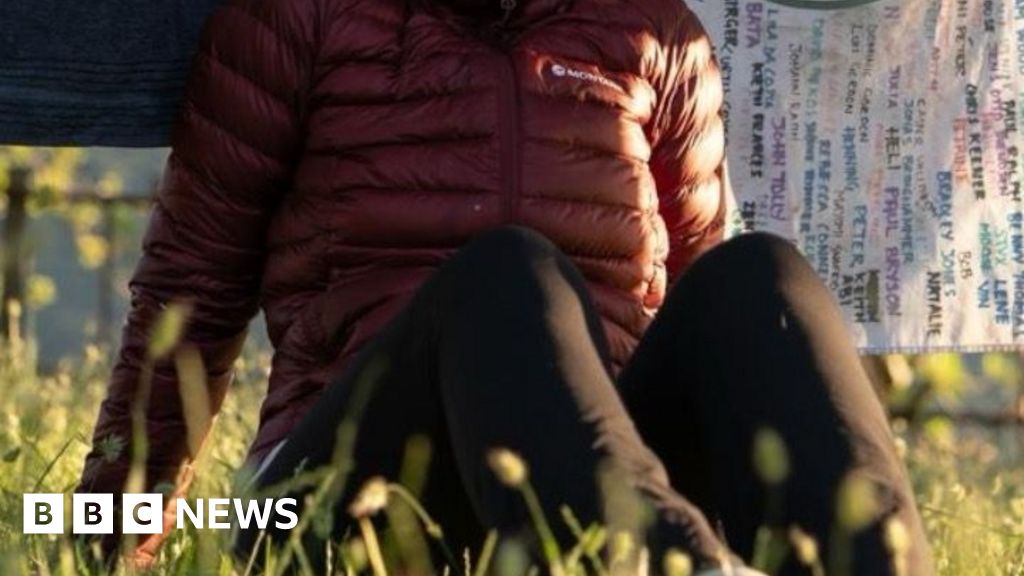
Kit Birks has walked the entire length of Europe to raise money and awareness for suicide prevention, a BBC News – Health video feature published on 11 July 2026 reports. The short film follows months on the road and shows how a long-distance walk was reshaped into a public campaign to prompt local conversation about crisis support and mental-health services.
If you need confidential support, contact your local crisis line, health services or established charities. This article does not provide clinical advice.
The BBC piece frames the journey as both personal and public: an individual walking long distances while organising community stops intended to open conversations about suicide prevention. Below we summarise what the film shows, the campaign’s stated aims, the limits of independent verification, and how readers can follow or support the project.
What Kit Birks did
The BBC video follows Birks over months on foot across towns, countryside and coastal routes. It shows short public events, moments of conversation with local people and the day-to-day logistics of a long-distance walk — accommodation, weather, and the physical challenge of covering successive stages.
The film presents the project as a continuous walk across Europe and uses on-the-ground footage and voiceover to describe the route he took and the kinds of places he stopped. It focuses on human encounters and the ways the walk was used to prompt local discussion about support and prevention.
Why he walked: goals and fundraising
According to the BBC feature, Birks’ stated aim was to raise money and awareness for suicide prevention. The piece shows him organising community stops designed to invite conversation about mental health, rather than delivering clinical services, and it depicts informal fundraising activity tied to those events.
The film emphasises outreach: turning a solitary endurance challenge into an opportunity to spotlight local services and charities. It includes statements of purpose from the campaign and examples of people who attended stops to talk about their own experiences.
Route, scale and verification
The BBC item provides route descriptions and visuals that map parts of the journey, but it does not present independent third-party verification that the entire length of Europe was covered. The feature does not show external audit documents, GPS logs verified by an impartial body, or a full mileage ledger that could be independently checked.
That distinction matters: the BBC report is the primary published source for the claims about the walk. Our summary relies on that reporting and flags where independent confirmation is not provided. Readers who need precise route or distance verification should look for published logs or third-party tracking data directly from the campaign or an auditor, if and when those are made available.
Why suicide prevention matters
Suicide prevention is a public-health priority. Campaigns like Birks’ aim to reduce stigma, encourage people to seek help and direct attention to services and crisis support in communities. Public conversations can help people recognise when to reach out and how to find local help.
Campaigns raise awareness and funds, but they are not a substitute for professional clinical care. If you or someone you know is in crisis, contact emergency services or a local crisis line. For ongoing support, reach out to your health provider or established charities in your country.
What comes next for the campaign
The BBC video is the main public account of Birks’ walk and appears to be the focal point for campaign updates and outreach. The film points viewers to the campaign’s public channels for more information, but it does not present a single independently verified donation link or a final accounting of funds raised.
People who wish to support the cause are advised to use official campaign pages linked from the BBC feature, or to donate via established, well-known charities working in suicide prevention. Before donating, check that any fundraising page is clearly identified, that it explains how donations will be used, and whether the organisation provides transparent financial reporting.
Key takeaways
- BBC News – Health profiles Kit Birks’ long-distance walk across Europe framed around suicide prevention outreach and fundraising.
- The campaign used community stops to encourage conversation about mental health and crisis support, not to replace clinical services.
- The BBC feature documents the journey visually but does not include independent verification of the full route or published third‑party audits of distance or finances.
- If you are in crisis, contact emergency services immediately or use local crisis and support services; public campaigns are not a substitute for clinical care.
FAQ
What happened with suicide prevention?
Kit Birks completed a long-distance walking project the BBC presents as spanning the length of Europe; the film frames it as a fundraising and awareness campaign for suicide prevention and shows community engagement along the way.
Why does suicide prevention matter?
Suicide prevention seeks to reduce deaths by offering support, reducing stigma and improving access to crisis care. Awareness campaigns can prompt people to seek help and can direct attention to services that offer support.
What happens next?
The BBC video is currently the main public record of Birks’ project. Those wanting to follow the campaign, see updates or consider donating should look for official links from the BBC feature or give via established charities with clear reporting on how funds are used.
Source: BBC News – Health video feature (11 July 2026): https://www.bbc.co.uk/news/videos/clyek61k4kgo