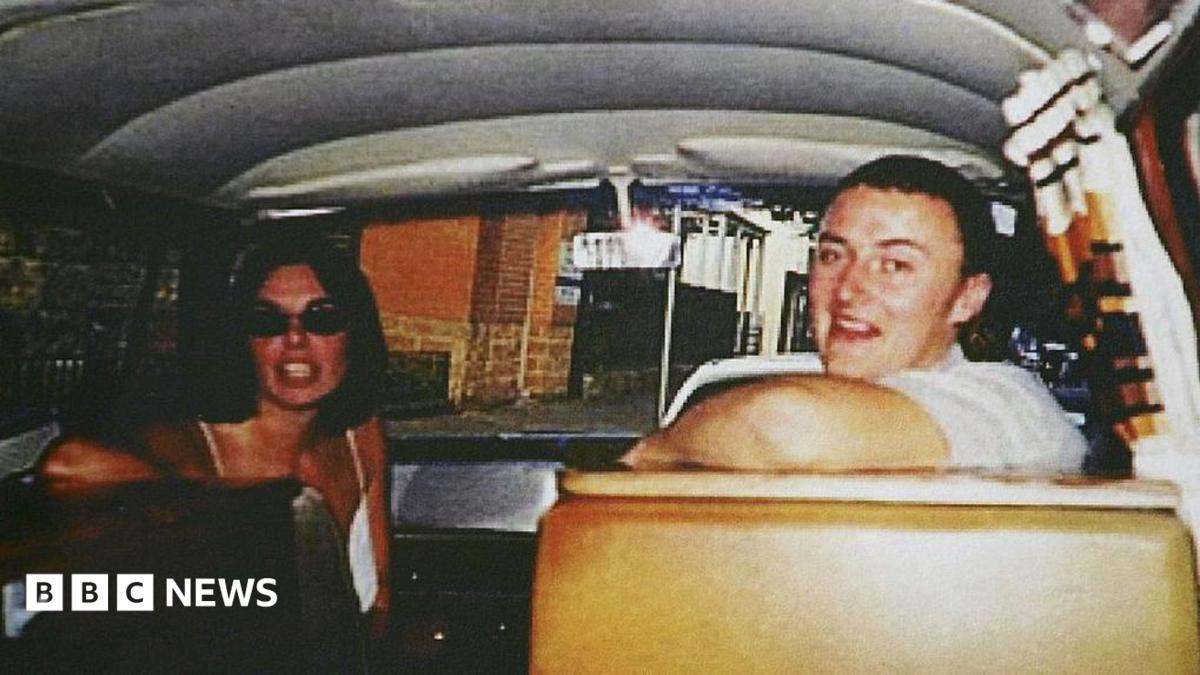
Bradley Murdoch is at the centre of a renewed public focus after BBC News published what it describes as his final recorded police interview. The broadcaster says the footage was released this week and that Murdoch died in jail, and it reports he did not disclose where Peter Falconio’s remains might be. Those details are presented here as reported by the BBC and should be read with that attribution.
The BBC release is the primary new development in a long-running case. The footage, as described in the BBC report, shows the formal setting of a police interview and captures exchanges between Murdoch and investigators. The material has prompted fresh public interest because it is primary-source footage that had not previously been widely available.
Bradley Murdoch: what the footage shows
According to BBC reporting, the released material contains the recorded interview that was among Murdoch’s last interactions with police. The broadcaster states the footage presents police questioning and Murdoch’s verbal responses in a controlled interview room setting.
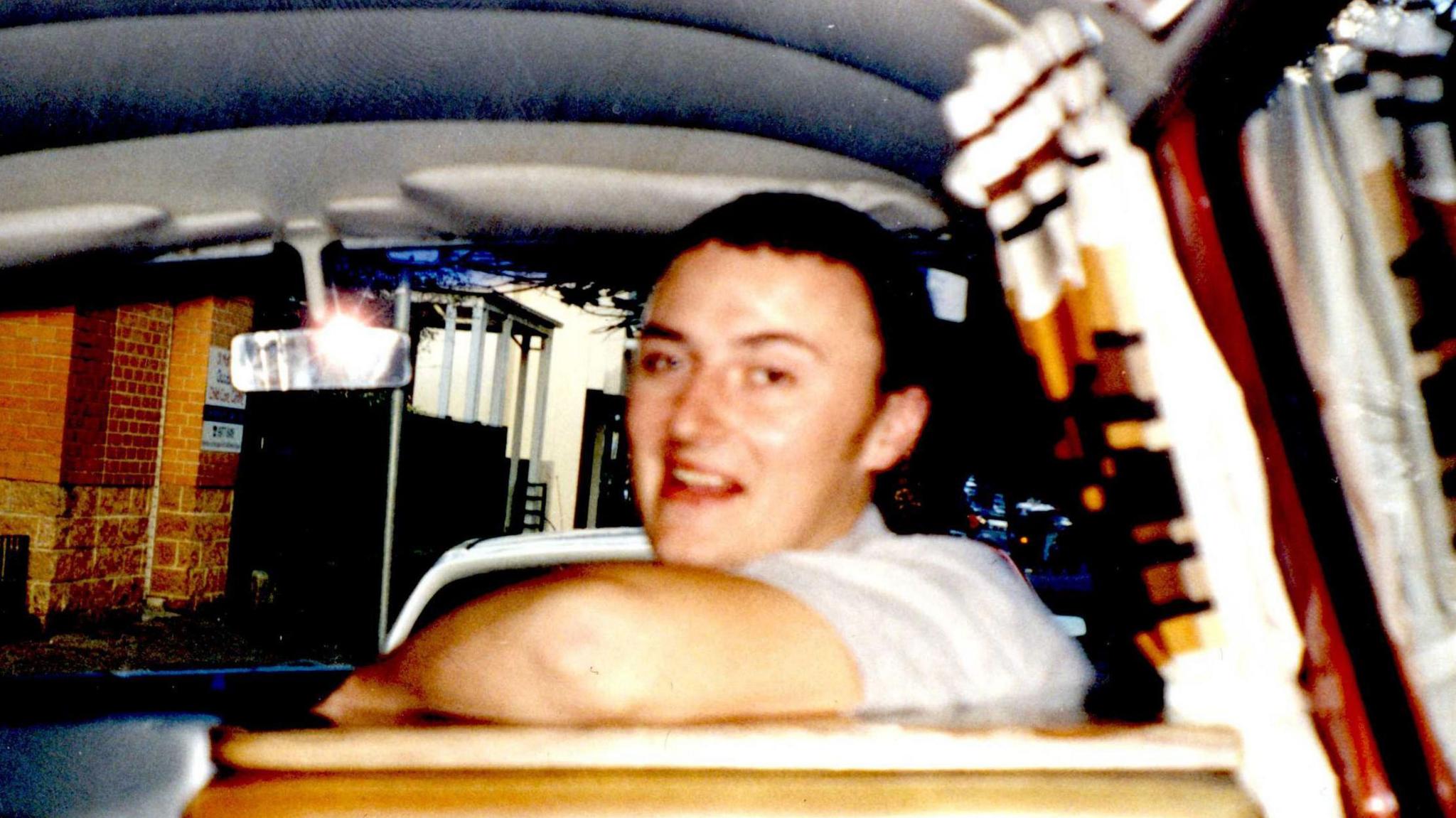
BBC coverage says the interview does not include a clear admission or disclosure that would point investigators to the location of Peter Falconio’s remains. The outlet describes moments from the footage that may be of interest to both investigators and the public, but it stops short of reporting a new forensic lead. All such descriptions here follow the BBC’s account.
What investigators say and what is not answered
The BBC reports that Murdoch died in custody and that, as reported, he did not tell police where Peter Falconio’s remains might be. That reported point is central to why the footage has been re-examined: if the interview had contained a disclosure about the remains, it could alter the status of outstanding inquiries.
Police forces involved in the original investigation have previously said the location of Falconio’s remains remains unresolved. The newly released interview, according to the BBC’s account, does not resolve that gap. Officials who oversee any active inquiries would be the authoritative source on whether the footage changes investigative priorities.
Short timeline of the Falconio case
Peter Falconio disappeared while travelling; his disappearance prompted a high-profile investigation and legal case that has remained in public memory. Bradley Murdoch was subsequently tried and convicted in connection with Falconio’s disappearance, and media and court reporting have described Murdoch as the convicted killer linked to the case.
Despite the conviction, the physical remains of Peter Falconio have not been publicly located or identified in reporting to date. That unresolved element is why releases of primary material such as police interviews draw renewed attention: any credible lead could be significant for family members, investigators and the public.
Why this footage matters now
Primary-source interviews are valuable because they let independent observers hear what was said and how investigators framed questions. For the Falconio case, renewed access to an interview described as Murdoch’s final recorded comments can prompt re-evaluation of statements, timelines and investigative decisions.
The public interest element is twofold: there is an ongoing concern for closure in cases where remains are not recovered, and there is a broader interest in transparency around how major investigations proceed. The BBC’s decision to publish the footage may encourage journalists, legal experts and members of the public to re-examine details that were previously confined to court files or police exhibits.
What comes next for the investigation
If police consider the newly released footage to contain material of investigative value, standard next steps include re-assessing lines of inquiry, checking leads against existing evidence and, where feasible, re-interviewing witnesses. Authorities may also issue public appeals if they believe members of the public could hold relevant information.
Any formal change in the status of inquiries — such as reopening a specific line of investigation or launching a new search — would be announced by police. Readers should look to official police statements for definitive updates on next steps and outcomes.
Source attribution
This article is based on reporting by BBC News. The BBC’s story and the footage it published are the primary sources for the new details described above; claims about Murdoch’s death in custody and what he did or did not say in the interview are reported as reported by the BBC. For the original BBC report and the published footage, see the BBC News article linked below.
BBC News: Published footage and report
Frequently asked questions
What happened with Bradley Murdoch?
As reported by the BBC, Bradley Murdoch was interviewed by police in material now published by the broadcaster and later died in custody. The BBC reports he did not disclose where Peter Falconio’s remains might be; that detail is attributed to the BBC.
Why does Bradley Murdoch matter?
Murdoch was convicted in relation to the disappearance of Peter Falconio and has been central to public and legal scrutiny of the case. Because the location of Falconio’s remains has not been made public, any material connected to Murdoch’s interviews can be important to investigators and to those seeking closure.
What happens next?
Police are the authoritative source on whether any new or re-examined evidence from the footage changes active inquiries. Likely next steps include evidence review, possible witness follow-up and public appeals if investigators identify useful lines of inquiry. Official police statements will provide confirmed updates.
Note: This article follows BBC reporting. Readers seeking the original footage and the BBC’s full account should consult the BBC News link above for direct access to the published materials.