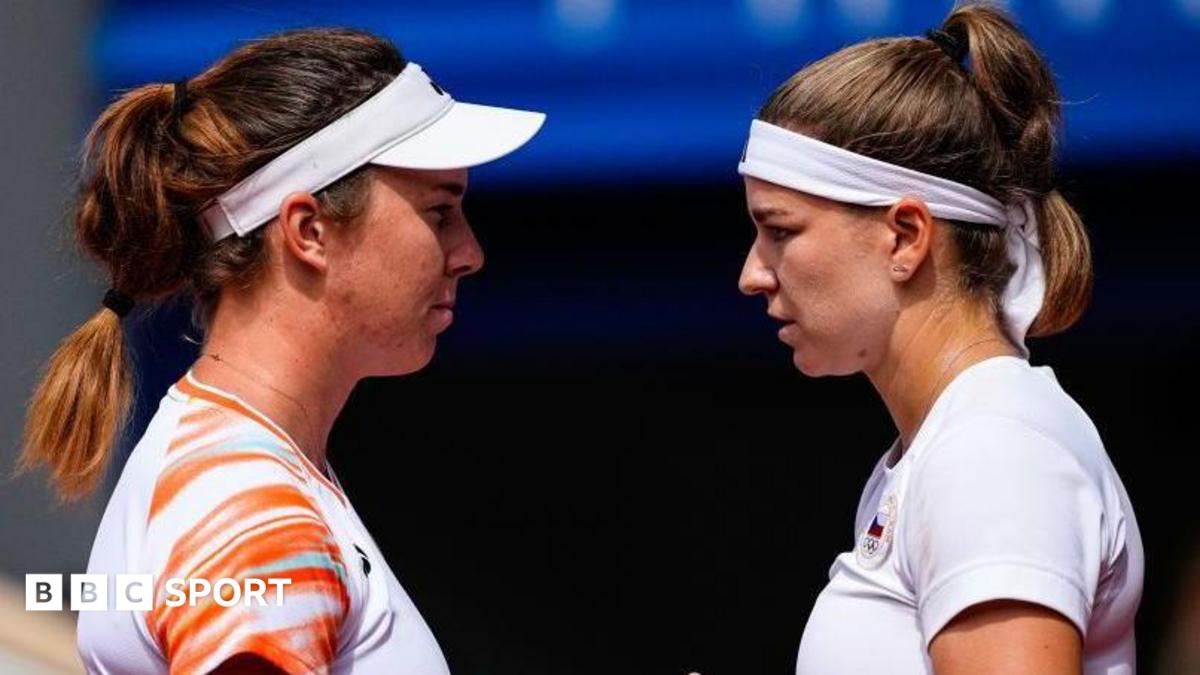
The Wimbledon final will be an all-Czech affair — a headline moment many are describing as Czech dominance at Wimbledon. BBC Sport reports Karolina Muchova and Linda Noskova have reached the final, a result that underlines a strong showing from Czech players this fortnight.
This preview runs through the match-up, pinpoints where the final could be won or lost, and summarises Naomi Broady’s BBC Sport analysis on why Czech tennis is producing so many top-level players right now.
Czech dominance at Wimbledon: Match preview — Muchova v Noskova
Karolina Muchova and Linda Noskova arrive in the final with contrasting profiles. Muchova is celebrated for variety: an ability to craft points with angles, slices and sudden changes of pace. Noskova has used aggressive timing and forward momentum to press opponents and seize short-ball opportunities throughout the championships.
Both players have navigated tough draws and shown consistency under pressure. Muchova’s tactical range gives her many ways to open a rally, while Noskova’s level of offence can cut opponents off early. Their runs to the final have relied on converting key moments rather than simply overpowering opponents.
Head-to-head meetings between the two are limited, which raises the strategic premium on in-match adjustments. Muchova may seek to vary depth and spin to pull Noskova off the court, while Noskova will aim to take the ball early and dictate with depth and pace.
Expect both players to prioritise serve rhythm and first-strike tennis. On grass, short points and quick transitions to the net can be decisive; any drift in serve consistency or weak second serves will be punished.
Where the final could be won or lost
There are a handful of clear tactical and physical edges that will likely decide this match. Serve and return stand out: the player who wins the majority of return battles and converts break chances will have the clearest path to victory.
Muchova’s use of slice, change of pace and placement can blunt the effectiveness of a hard-hitting opponent by forcing lower-bouncing exchanges and opening angles. If she can move Noskova laterally and mix up trajectories, she can manufacture short-ball opportunities to attack.
Noskova’s way through is to take time away from Muchova — stepping in on returns and redirecting pace so Muchova has less time to craft points. When Noskova hits deep with weight, she reduces the opponent’s margin for creative responses and increases the chance of forcing errors.
Net approaches and transition game will matter. Grass rewards players who can finish points at the net cleanly; successful approaches after a deep, penetrating ball will end many rallies early. Movement and recovery between points are also critical — sustained sharpness across long sets may be the difference in a tight contest.
Finally, physical conditioning and the ability to maintain execution under fatigue could shape late-set scenarios. Long matches test both accuracy and the willingness to take tactical risks; the player better able to stay aggressive without compounding errors will hold an edge.
Why the Czech pipeline is producing top players
Naomi Broady, writing for BBC Sport, offers a measured explanation for why Czech players have featured prominently this fortnight. Broady points to a mix of sustained domestic competition, coaching frameworks and a cultural emphasis on developing technically complete players from an early age.
Broady’s piece suggests that regular high-quality domestic matches and coaching that emphasises footwork and tactical versatility accelerate readiness for grand slam competition. That environment gives emerging players frequent exposure to varied styles and the chance to refine decision-making under pressure.
It is important to frame talk of national ‘dominance’ cautiously: Broady presents the trend as the result of accumulated strengths in development and competition, rather than an absolute claim that Czech players are superior across every measure or era.
What comes next and source attribution
The immediate task for Muchova and Noskova is preparation for the final: fine-tuning tactics that have worked this fortnight and planning for scenarios the opponent might present. Wimbledon organisers will set the order of play, and both players will use the remaining days to sharpen serve patterns and match routines.
Beyond the result, the final will be examined for what it suggests about player pathways and depth of competition. A victory for either player will be a significant career milestone and may influence confidence and seedings heading into the hard-court season.
Source attribution: This article is informed by BBC Sport coverage, including Naomi Broady’s analysis. Read the original BBC article for Broady’s full commentary: BBC Sport — Not ‘something in the beer’ – why Czechs are dominating Wimbledon.
Frequently asked questions
Who are Karolina Muchova and Linda Noskova?
Karolina Muchova is a versatile player known for shot variety and point construction. Linda Noskova is an emerging player who uses aggressive timing and depth to dictate rallies. Both reached the Wimbledon final after consistent tournament performances.
Has the Czech Republic had recent Grand Slam success?
The Czech Republic has produced several players who have challenged at Grand Slams in recent years. Naomi Broady’s BBC Sport piece examines how the country’s development structures contribute to that steady production of talent.
What should viewers watch for in the final?
Key elements will be serve and return efficiency, transitions from defence to offence, net approaches and which player can maintain movement and accuracy late in the match. Tactical in-match adjustments may decide tight sets.