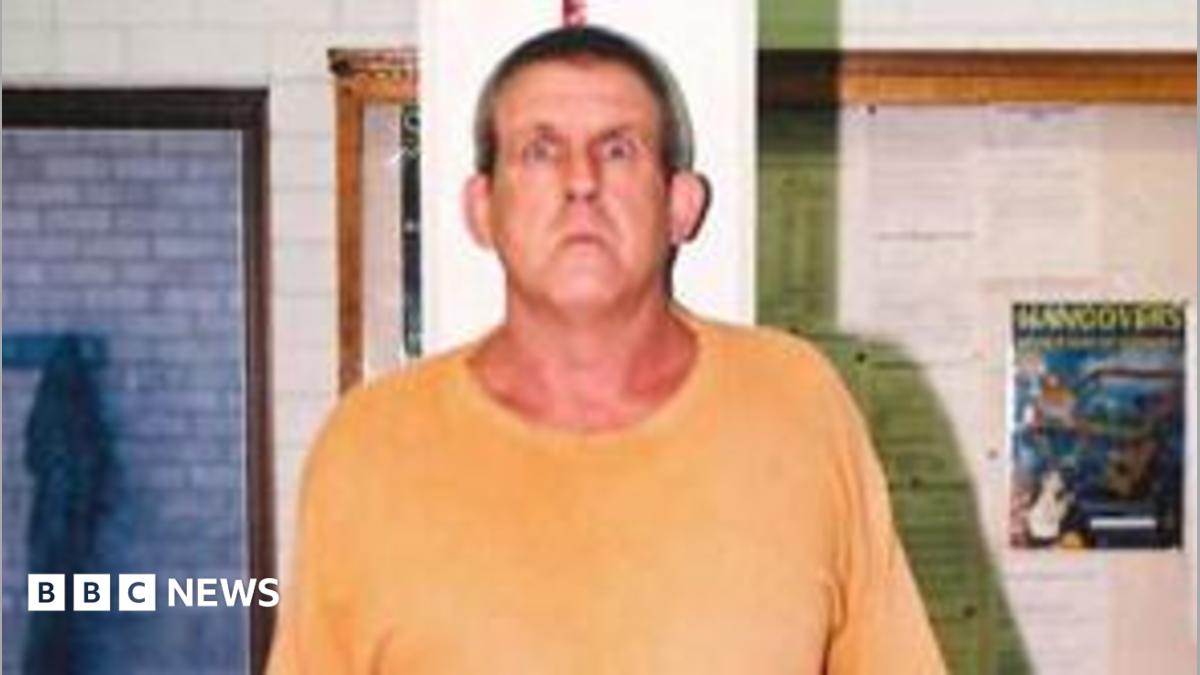
According to BBC News – Top Stories, Australian police have published previously unseen images 25 years after the disappearance of British backpacker Peter Falconio, in a renewed public appeal to help locate his body. Investigators say the images are intended to prompt fresh recollections in a long-running cold case.
What police released
BBC reporting says the material released by Australian police consists of several photographs and images that have not previously been made public. Police described the images as potential memory joggers rather than definitive new evidence and timed the circulation to coincide with the 25th anniversary of the inquiry being treated as a murder investigation, the BBC adds.
Officials told the BBC the images were issued to widen the pool of people who might recognise elements shown and to encourage anyone who lived, worked or travelled through remote parts of Australia around 2001 to check whether they recall relevant details. The force emphasised the release forms part of an investigative strategy to test whether visual prompts will unlock new lines of enquiry.
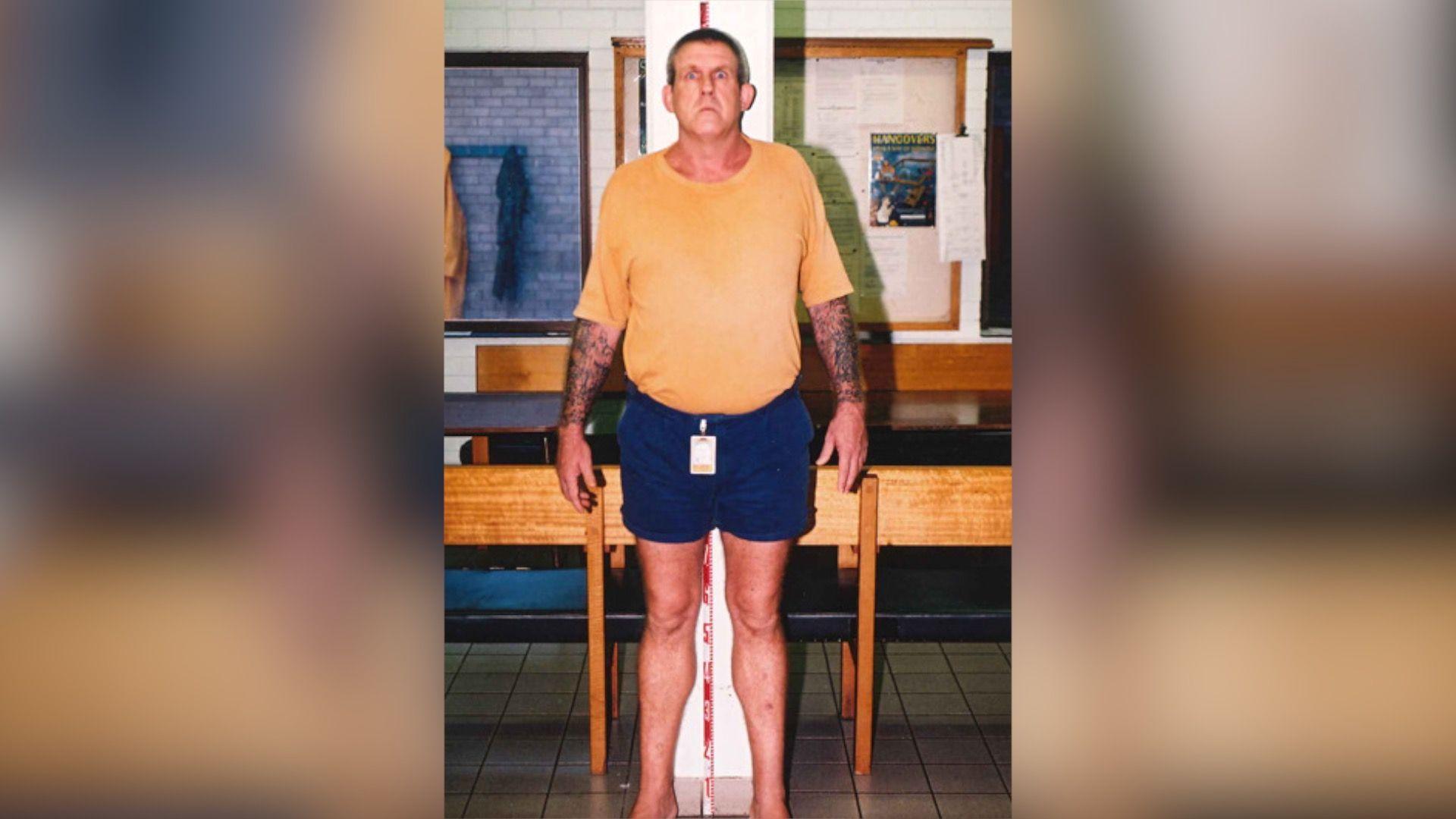
How the images could help find the body of Peter Falconio
Investigators, quoted in BBC News – Top Stories, say photographs can trigger memories that verbal descriptions do not. The hope is that the newly circulated images might jog recollections about vehicles, campsites, local landmarks or people seen at the time — details that could lead to new search areas or witnesses for what remains a cold case.
The BBC reports police acknowledge the challenge that memory fades over decades. Still, detectives say even a small, previously unreported detail could be cross-checked against existing evidence and past witness statements. Police told the BBC they will treat all new tips seriously, seeking to corroborate them with the case record and other information gathered over many years.
BBC coverage notes police hope people who were in remote travel corridors in 2001 — including workers, tour guides, truck drivers and fellow travellers — will revisit memories. The force is particularly keen to hear from anyone who may now realise that a detail they dismissed at the time could connect to the Falconio enquiry.
Key moments in the Falconio case
The case of Peter Falconio — a British backpacker who vanished in Australia in 2001 — has remained in public view for more than two decades, BBC News – Top Stories reports. Falconio’s disappearance prompted a large-scale investigation, multiple searches and high-profile media attention both in Australia and the UK.
BBC reporting states that a conviction was secured in relation to the events surrounding Falconio’s disappearance, but his body has never been located. That absence of recovered remains has been one of the most persistent and painful elements for his family and for investigators seeking final closure.
Over the years, Australian police have revisited leads, conducted fresh enquiries as new information surfaced, and periodically issued appeals to the public. The latest release of previously unseen images continues that pattern, reflecting an ongoing effort to re-engage the community and elicit new information even after 25 years.
How to report tips and source attribution
If you recognise anything in the images or recall details from around 2001 that could be relevant, Australian police ask you to come forward. BBC News – Top Stories notes police asked anyone with information to contact their local police force or national reporting services. Authorities recommend providing as much contextual detail as possible and referencing the Falconio enquiry when making a report so investigators can match new tips to the case file.
The BBC reported that police highlighted official channels — including local police stations, state police hotlines and Crime Stoppers-type anonymous reporting services — as the appropriate routes for submitting information. Do not assume a memory is too small; detectives say seemingly minor observations can be important in cold-case investigations.
As BBC News – Top Stories makes clear, this release is an investigative step rather than an announcement of new forensic proof. Media coverage and police statements should be read as describing an ongoing attempt to generate leads that can be tested and verified by investigators.
What happens next
Police will assess and prioritise any incoming tips, attempting to corroborate them with the existing body of evidence and witness records held by investigators. According to BBC reporting, detectives expect a range of contacts — from fresh recollections to people re-examining long-held memories — and will follow up credible leads to determine whether further searches or enquiries are warranted.
For families and the wider community, locating a body would be a significant step towards resolution. The renewed appeal underlines law enforcement’s continued commitment to pursuing cold-case leads when new possibilities emerge.
Source: BBC News – Top Stories