A BBC report by political editor Chris Mason has reignited debate in Westminster over whether social media is helping to normalise violent language and abuse directed at politicians. The piece, published on 2026-07-14, links reactions from many MPs to an investigation into the death of Widdecombe and has prompted renewed questions about how to protect elected officials in the digital age.
The BBC coverage has refocused attention on how online exchanges might shape behaviour offline and on whether current protections for MPs and other public figures are adequate.
What the BBC reported
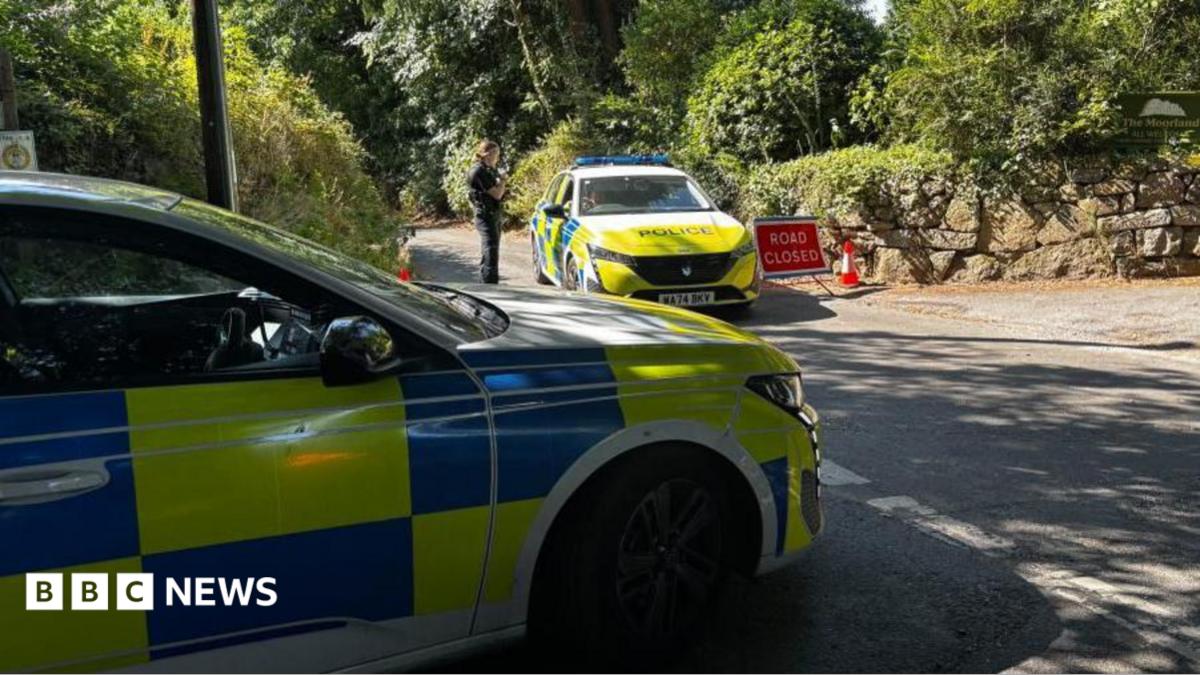
The BBC report, authored by Chris Mason and published on 2026-07-14, summarised responses across the Commons and other political circles after an investigation into Widdecombe’s death.
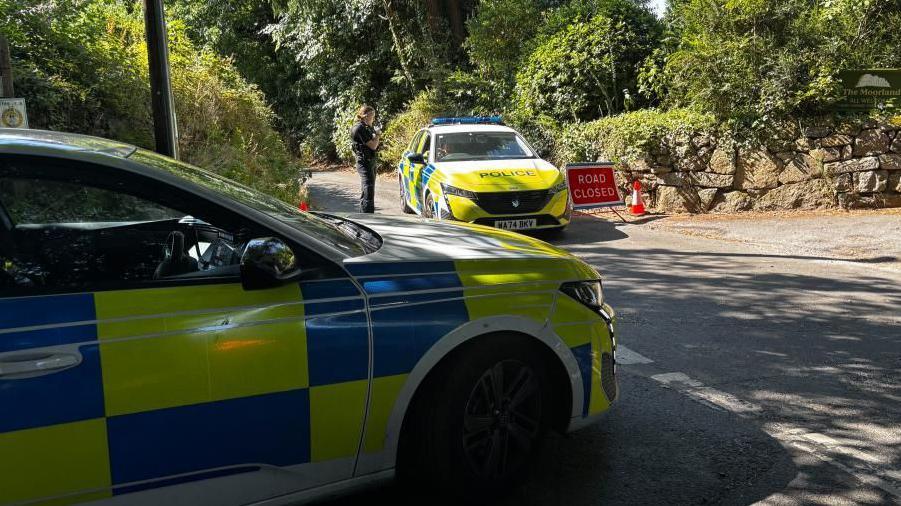
It set out that many MPs said the scale and tone of exchanges on social media were a concern and that the investigative spotlight on a single tragic case had prompted broader questions about online behaviour and real-world harm.
The article drew on comments from a range of parliamentarians and framed the story around the ongoing investigation and the political reaction it produced, without attributing blame to any one organisation in the public record.
How MPs link social media to violent language and abuse
Many MPs told BBC reporters they were worried that social media can normalise aggressive and sometimes violent language by exposing users to extreme rhetoric more frequently.
The concern, as reported by the BBC, is not that social media alone causes violent acts but that repeated exposure to hostile language may lower inhibitions and make abusive rhetoric feel more commonplace.
“Many MPs say social media appears to be normalising violent language and abuse,” the BBC reported, reflecting growing alarm among elected representatives.
Parliamentarians described the strain that online abuse places on constituency work and personal wellbeing, and said the cumulative effect of hostile exchanges can change public norms about what is acceptable language about politicians.
Those interviewed emphasised the distinction between correlation and causation: while they see a link in tone and frequency, they and the BBC noted the evidence connecting online language directly to specific violent acts is complex and still being examined.
Where politician protection is falling short
The coverage prompted discussion about practical gaps in protections for MPs and other public figures.
One recurring point raised by MPs is intelligence-sharing. When content or credible threats appear online, timely exchange of information between platforms, police and parliamentary security teams can be uneven, delaying assessment and response.
Another concern is resources. Monitoring the volume of online activity, triaging complaints, and undertaking threat assessments require trained staff and tools; some MPs say those resources are stretched.
Questions were also raised about the speed and consistency of moderation actions and whether current security procedures adequately reflect new types of harassment that originate or spread online.
Those making these points told the BBC that an “investigation” into an individual case can expose weaknesses in practice, but does not always produce immediate policy answers. They urged evidence-led reviews rather than rushed changes.
Responses, platform role and what comes next
Official responses reported so far have been measured. Law enforcement and parliamentary security bodies have emphasised they take threats seriously and operate within established investigative and legal frameworks.
The BBC coverage noted social media platforms as a factor in MPs’ concerns but did not attribute culpability to specific companies in the public reporting. That reflects the limits of publicly available evidence: attributing responsibility to particular platforms typically requires direct, verifiable links between content and harm.
Senior figures and advisers are likely to consider several steps in response. These could include further inquiries, structured cross-government talks involving police and digital regulators, or formal reviews of how platforms’ reporting and moderation mechanisms interact with personal security measures for MPs.
Any policy response will face trade-offs. Authorities must balance protections for personal safety with free-expression principles and ensure that interventions are proportionate, targeted and informed by evidence from ongoing investigations.
Background and context
Concerns about online abuse of public figures have a long history and have prompted earlier reviews, voluntary industry measures and parliamentary debates. The BBC report situates the current discussion within that longer arc.
Commentators and security advisers cited by the BBC have urged careful evidence-gathering so that changes to security practice or regulation address real gaps without unduly restricting legitimate public debate.
Closing summary and next steps
The Widdecombe investigation has renewed parliamentary attention on how social media can shape public discourse and the practical challenges of protecting MPs.
Next steps are likely to include follow-up inquiries, clearer lines for intelligence-sharing, and focused reviews of where moderation and security intersect. Policymakers say any reforms should be informed by the investigation’s findings and by broader evidence about online harms.
For readers, the immediate takeaway is that the debate is now about how to strengthen systems and relationships — between platforms, law enforcement and parliamentary authorities — so that risks are identified and managed more effectively, while protecting lawful speech.
Source: BBC News. Original report by Chris Mason, published 2026-07-14: https://www.bbc.co.uk/news/articles/cvgdgx01y98o?at_medium=RSS&at_campaign=rss