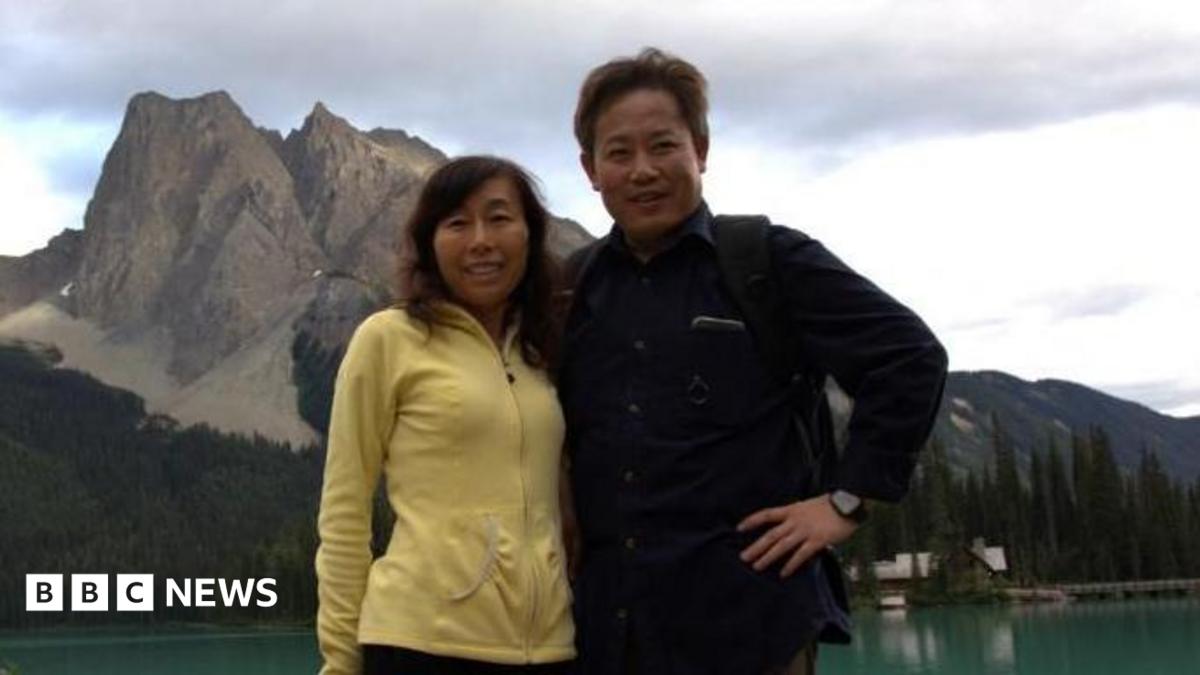
Chen Youlin, a US scientist who researched North Korea’s nuclear tests, has been detained in China on allegations of spying, the BBC reports. His family says he has been “wrongfully detained” for nearly two years and they have been unable to secure clear consular access or a full explanation.
Chen Youlin detained: the facts
Reporting by BBC News – World identifies Chen as a US-based researcher who carried out work on seismic and other data linked to North Korea’s nuclear test program. The BBC said Chinese authorities are holding him on spying allegations; those accusations have not been made public in full through accessible court records, according to the same report.
Family members and advocates told the BBC they have been seeking consular help and public advocacy. The BBC quoted the family’s assertion that Chen has been detained without proper justification, but independent verification of the detailed legal basis has been limited in open sources so far.
Family statement and wrongful detention claim
Chen’s relatives described the detention as wrongful and said it has lasted nearly two years, the BBC reports. They say their inquiries to Chinese officials and requests for consular support have produced few public details about his status or the evidence against him.
That characterization — that he is “wrongfully detained” — comes from Chen’s family. News organisations and the BBC cite the family account as the primary public source of the wrongful-detention claim; publicly available court filings or official Chinese statements that substantiate every element of the family’s timeline are not available in international reporting at this time.
Reported spying charges and official claims
The BBC reports the case involves spying allegations. Media accounts repeat those charges but also note the absence of independently verifiable court documents or a detailed official statement accessible to international press.
When reporting security-related detentions, officials sometimes withhold details for national-security reasons. That limits outside verification: the available public record for Chen’s case is largely the family statement as conveyed by the BBC and sparse official comment.
What Chen studied: North Korea nuclear tests
Chen’s published and reported work focused on North Korea’s nuclear tests. Such research commonly uses seismic analysis, satellite imagery, and open-source monitoring to assess test yields, locations and test-site activity. Researchers and independent monitoring groups routinely publish findings to help the international community verify testing and treaty compliance.
Because this work can produce information that overlaps with intelligence-relevant data — for example, high-resolution seismic analysis or site-activity timelines — it is sometimes treated as sensitive by states. Experts stress, however, that scientific study of weapons-testing phenomena is not automatically espionage. The BBC’s reporting makes clear that the public record does not establish that Chen’s research constituted unlawful spying.
Diplomatic and legal implications
A US national held on spying allegations in China would prompt diplomatic engagement. Typical steps include US consular requests for access, formal demands for information on charges and evidence, and possible high-level diplomatic demarches if routine channels stall.
If the US government verifies his citizenship and pursues assistance, Washington can press for consular visits and due-process safeguards. But cases involving national-security allegations often play out with limited public transparency, and judicial proceedings may be closed or classified in whole or in part.
The broader bilateral relationship between China and the United States — already shaped by tensions over technology, trade and national security — can influence how swiftly and openly such cases are resolved. Human-rights and academic-freedom groups may also call for transparency and fair treatment, increasing public scrutiny.
What comes next
Key developments to monitor include any formal charges filed in a public Chinese court docket, granted consular access, and statements from US officials or rights organisations. Documentation such as charge sheets, trial notices or official responses that clarify the legal basis for detention would materially change public understanding of the case.
Possible next steps include legal representation in China, continued family advocacy, and diplomatic negotiations. Observers should also watch for whether the case becomes part of broader bilateral discussions or is handled as a discrete legal matter.
Background and context
Incidents involving foreign researchers working on sensitive topics have occurred in multiple countries. Governments sometimes treat technical research on weapons testing, critical infrastructure or dual-use technologies as intersecting with national security, which can increase risks for researchers operating abroad.
Reliable reporting in such cases typically combines family statements, government releases and independent verification. For Chen Youlin, public reporting is currently driven mainly by the family account as reported by the BBC.
Source and next steps for reporters
This article is based on reporting by BBC News – World, which summarised the family’s claim that Chen Youlin has been wrongfully detained for nearly two years and noted the spying allegations. The BBC account is the principal public source for the timeline and family assertions at present.
Reporters tracking the story should seek official court records, consular communications, statements from Chinese authorities and any US government comment to verify charges and the legal process. Those documents and statements will be central to understanding the legal and diplomatic trajectory.
Source: BBC News – World: China detains US scientist who studied North Korea nuclear tests