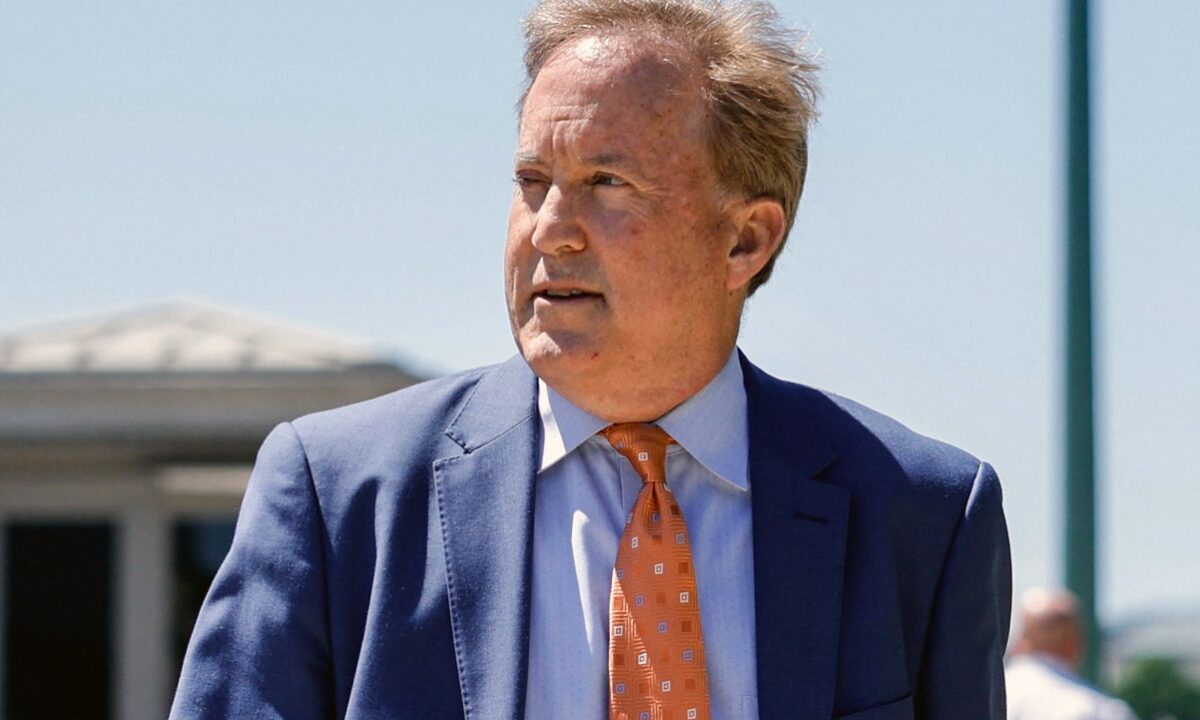
The Texas Attorney General’s office has opened an investigation into alleged LinkedIn ghost jobs and has issued a Civil Investigative Demand seeking documents and communications about the company’s job listings and Premium services. The CID aims to determine whether some listings on the platform were misleading or did not reflect active hiring.
What Texas says happened
The attorney general’s office says the inquiry centers on allegations that some LinkedIn job postings — described by the state as “ghost jobs” — did not correspond to genuine, active openings or were maintained on the site despite no current plans to hire. According to the AG’s public statement cited in reporting, the office is seeking internal records, data and communications related to advertising, marketing, verification practices and representations about LinkedIn’s Premium subscription services.
Texas officials characterize a ghost job as a listing that either does not represent an actual vacancy or is kept live on the platform without an employer’s present intent to hire. The AG’s notice reported that consumers who purchased LinkedIn Premium Career or Premium Business subscriptions were sometimes shown such listings; the office cited subscription price points of roughly $39.99 and $69.99 per month as context for potential consumer harm. Those figures were reported by the state and have not been independently proven in court.
LinkedIn response and verification steps
LinkedIn has pushed back against the allegations in statements provided to reporters, saying the platform requires job postings to be authentic and that it provides tools to help members assess whether an opportunity is real. The company noted features such as company response-time indicators and flags that show whether employers are actively reviewing applicants.
LinkedIn also emphasized investments in verification features for jobs, recruiters and company pages designed to help users identify trusted opportunities. The company says it enforces its policies and continually develops tools to improve transparency; those assertions were included in its response to media inquiries and summarized in reporting on the probe.
LinkedIn ghost jobs
The phrase “LinkedIn ghost jobs” is now being used by Texas officials to describe postings that may give job seekers the false impression of active hiring. Under the AG’s account, these listings can create the appearance of demand or open roles that are not presently available. The allegation is not that LinkedIn has been charged with a crime; rather, the CID is part of a fact-finding effort to collect evidence that may support or refute claims of deceptive or unfair practices.
For users who subscribe to paid tiers like LinkedIn Premium, the concern highlighted by the state is that paid features could amplify exposure to listings that are not genuine — potentially leading paid members to spend time or money pursuing opportunities that do not exist. Again, these are allegations under investigation and have not resulted in formal charges as of the AG’s public notice cited in reporting.
Legal context and what comes next
A Civil Investigative Demand (CID) is a legal tool state attorneys general use to compel production of documents, data and communications during a civil inquiry. It is aimed at gathering evidence and does not itself constitute a charge or a finding of liability. The CID process can produce materials that lead to further enforcement action, regulatory settlements, or no action at all, depending on what the requested records show.
At this stage, the investigation into LinkedIn has not produced formal charges or a lawsuit. Officials may take weeks or months to review produced materials; follow-up requests and interviews are common. If the evidence shows consumer harm or deceptive practices, the AG could pursue enforcement actions, require refunds or push for policy changes. If the records do not substantiate the allegations, the matter could be closed without further action.
It is important to emphasize: a CID is part of an investigatory phase and does not mean LinkedIn is guilty of wrongdoing. The attorney general’s office will evaluate the information it receives before deciding next steps.
Practical steps for job seekers
While the inquiry proceeds, job seekers and paid subscribers can take practical measures to protect themselves and evaluate listings more effectively:
- Verify the employer. Confirm that the company posting a job has a legitimate website, up-to-date contact information and recent activity on its LinkedIn company page.
- Check company activity. Look for recent posts, employee profiles that match the organization, and hiring-related updates indicating active recruiting.
- Review listing details. Note posted dates, application instructions, and whether the job displays platform indicators such as recruiter response time or active candidate review.
- Manage subscriptions. Review billing and cancellation options in your LinkedIn account settings. If you suspect you were misled by listings, save documentation before disputing charges with your payment provider or seeking help from consumer protection agencies.
- Document interactions. Keep screenshots and copies of job postings, messages from recruiters and any unusual correspondence; these records can support a complaint or refund request if needed.
These steps are prudent regardless of the investigation’s outcome and can help users judge the quality of opportunities and protect paid subscriptions.
What this means for employers and platforms
The probe underscores heightened scrutiny of online job marketplaces and their paid features. Platforms that rely on advertising or subscription revenue increasingly face pressure to demonstrate transparent practices and meaningful verification to prevent listings that could mislead consumers. Clear disclosures, robust verification processes and responsive complaint channels reduce risk for platforms and improve user trust.
Sources
This report is based on public reporting and statements cited by those reports. Key sources include the Fox Business story detailing the Texas inquiry and the public statement from the Texas Attorney General’s office as summarized in media coverage. LinkedIn’s statements to reporters about job authenticity and verification features were also cited.
Related links cited in reporting: Fox Business report on the investigation; Texas Attorney General homepage for official notices: texasattorneygeneral.gov; LinkedIn newsroom/about pages for company statements: about.linkedin.com.
Note: The attorney general’s allegations are under investigation and no formal charges or lawsuit had been filed at the time of publication.