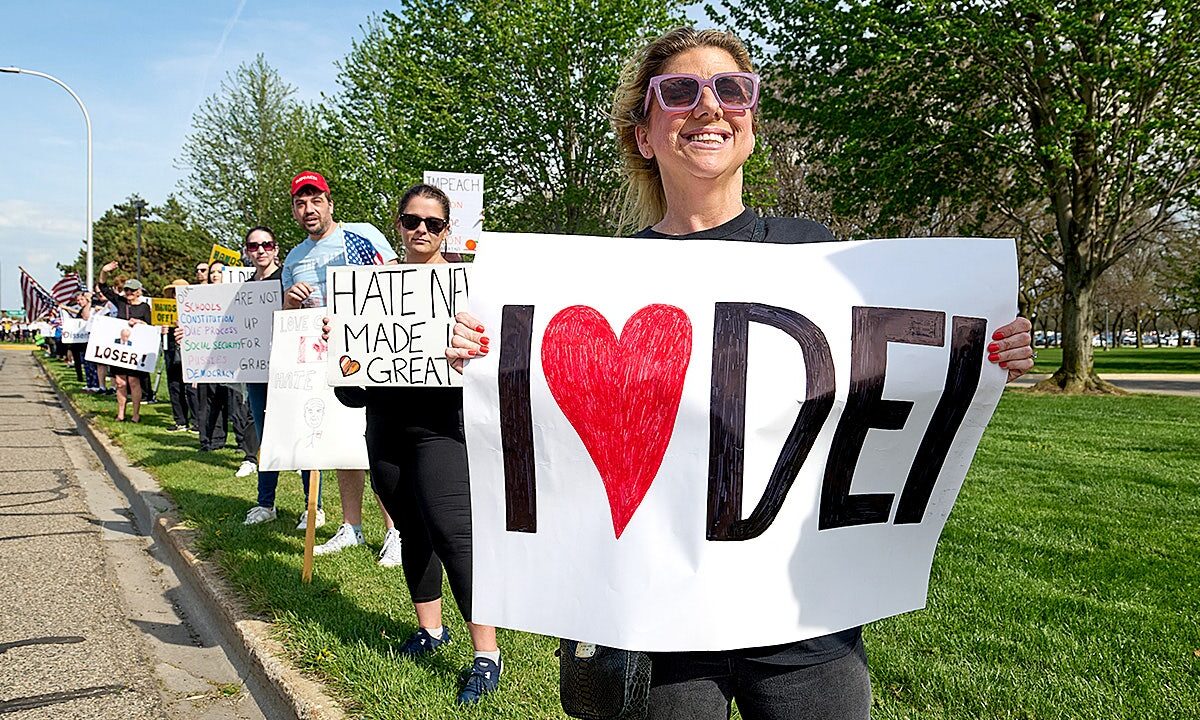
Campus controversies have returned to the headlines, touching faculty conduct, academic integrity and housing policies that could reshape campus life and compliance. According to Fox News, the Campus Radicals newsletter compiles several recent developments — from a tense med‑school deans hearing to new campus rules aimed at curbing AI‑assisted cheating — that administrators, students and regulators are watching closely.
This quick update summarizes each item, notes what is reported or alleged, and flags likely policy and operational consequences for colleges and students. Short sections follow for clarity and easy reference.
Campus controversies at a glance
Key items reported by Fox News include a sharp exchange at a med‑school deans hearing, a New York professor’s reported apology after a controversial social post, federal scrutiny of alleged race‑based dorm programs, a Gallup poll showing slipping public confidence in higher education, and campus actions tied to alleged AI‑assisted cheating (including device bans in some classes). According to Fox News, the Campus Radicals newsletter summarizes these recent campus stories.
Med school deans hearing
According to Fox News, med‑school deans appeared before an oversight panel where an exchange over whether men can have babies was highlighted in the coverage; Fox described the hearing as leaving the panel “coming up empty.” This item is reported by Fox News and reflects the outlet’s description of the hearing and the questions posed.
Context: congressional or oversight hearings often test how university leaders respond to pointed public queries about curriculum, clinical training and terminology. Administrators told to testify may face pressure to align scientific descriptions with shifting legal and political expectations. Universities commonly respond to such scrutiny by tightening public messaging, updating FAQs for external audiences, or convening faculty committees to clarify instructional approaches.
Professor apology after reported death celebration
According to Fox News, a New York college professor posted a social media message celebrating the reported death of Sen. Lindsey Graham and later issued an apology. The specifics of the post and any institutional follow‑up are described as reported in the Fox coverage.
When faculty social posts attract public attention, colleges typically balance academic freedom with codes of conduct and anti‑harassment policies. Public apologies can reduce immediate outrage, but institutions often consider whether formal reviews, remedial training, or disciplinary processes are appropriate based on existing policies and any applicable collective bargaining or employment rules.
AI backlash, laptop ban and alleged mass cheating
According to Fox News, one major university recently banned laptops and phones for law students in some settings amid concerns over generative AI, and an Ivy League professor criticized their institution’s response to alleged mass AI‑assisted cheating. These claims are reported by Fox News and reflect an evolving debate about how campuses detect and deter misuse of AI tools.
Universities are experimenting with several responses to AI risks: redesigning assessments to require in‑person demonstration of skills, adopting proctoring solutions, imposing device restrictions in select courses, clarifying honor‑code consequences for AI use, and investing in student education about acceptable tools. Each response has tradeoffs — device bans may impede accessibility or pedagogical choices, while heavier monitoring can raise privacy and equity concerns.
Race‑based dorm probes and public confidence in higher ed
According to Fox News, a federal agency connected to the Trump administration has put top universities in its crosshairs over alleged race‑based dorm programs. Fox also reports that a Gallup poll found public confidence in higher education slipped after a brief recovery. Both items were described in the Campus Radicals newsletter entry cited by Fox.
Federal scrutiny over housing or programmatic arrangements linked to race can trigger compliance reviews under civil‑rights or nondiscrimination authorities. Institutions facing inquiries may need to document program rationales, review admissions and housing criteria, and assess potential legal exposure. Meanwhile, shifts in public opinion can influence governing boards, state legislators and donors, all of which affect budgetary and policy decisions at colleges and universities.
Why this matters
These campus controversies matter because they intersect with institutional risk, student experience and public trust. High‑profile allegations or policy disputes can prompt investigations, rapid policy shifts and reputational consequences that ripple through enrollment, fundraising and faculty recruitment. For students, changes can alter daily life — from how dorms are assigned to what devices are allowed in classes.
What comes next
Watch for several likely developments in the weeks ahead: (1) universities issuing clearer academic‑integrity rules that explicitly address generative AI; (2) updated faculty social‑media guidance or review protocols following high‑profile conduct complaints; and (3) official responses to any federal inquiries into housing programs, which could include policy adjustments, legal challenges or negotiated settlements. Each action will require administrators to document compliance steps and to communicate changes clearly to students and staff.
Students should monitor official campus communications for policy updates that may affect exams, classroom tools or housing arrangements. Faculty and administrators should prepare documentation of policy rationales and be ready to explain how any changes preserve educational quality, access and nondiscrimination obligations.
Key takeaways
- Reported campus controversies span faculty conduct, housing practices, academic integrity and public confidence.
- Reported responses include policy revisions, device restrictions in some classes, and possible federal compliance reviews.
- Institutions will need to balance academic goals, legal obligations and community standards while communicating changes to stakeholders.
FAQ
What are the main campus controversies right now?
Major reported items include a tense med‑school deans hearing, a professor’s apology after a social post, a federal probe into alleged race‑based dorm programs, AI‑related cheating claims and device bans in some classes, and a Gallup poll showing declining public confidence in higher education. These items are reported by Fox News via its Campus Radicals newsletter; readers should consult primary university statements for full context.
Are these reports verified beyond Fox News coverage?
The roundup is based on the Fox News Campus Radicals newsletter. Some items are described in that coverage as alleged or reported; independent verification may be available through university statements, official investigation documents, or reporting from other outlets. Readers should look for official university releases or multiple independent sources for confirmation.
How could these developments affect students and campus policy?
Students may see new classroom technology rules, revised academic‑integrity expectations, or reviews of housing programs. Administrators could update policies, conduct formal investigations, or issue guidance to faculty and staff to manage compliance and reputational risk.
Source attribution
Reporting summarized here is based on the Fox News Campus Radicals newsletter. For the original compilation and reporting, see: Fox News Campus Radicals Newsletter: Intro to biology, dancing on graves and AI backlash. Where items are described as alleged or reported in that coverage, they are labeled here accordingly and readers should consult primary institutional or official sources for confirmation.