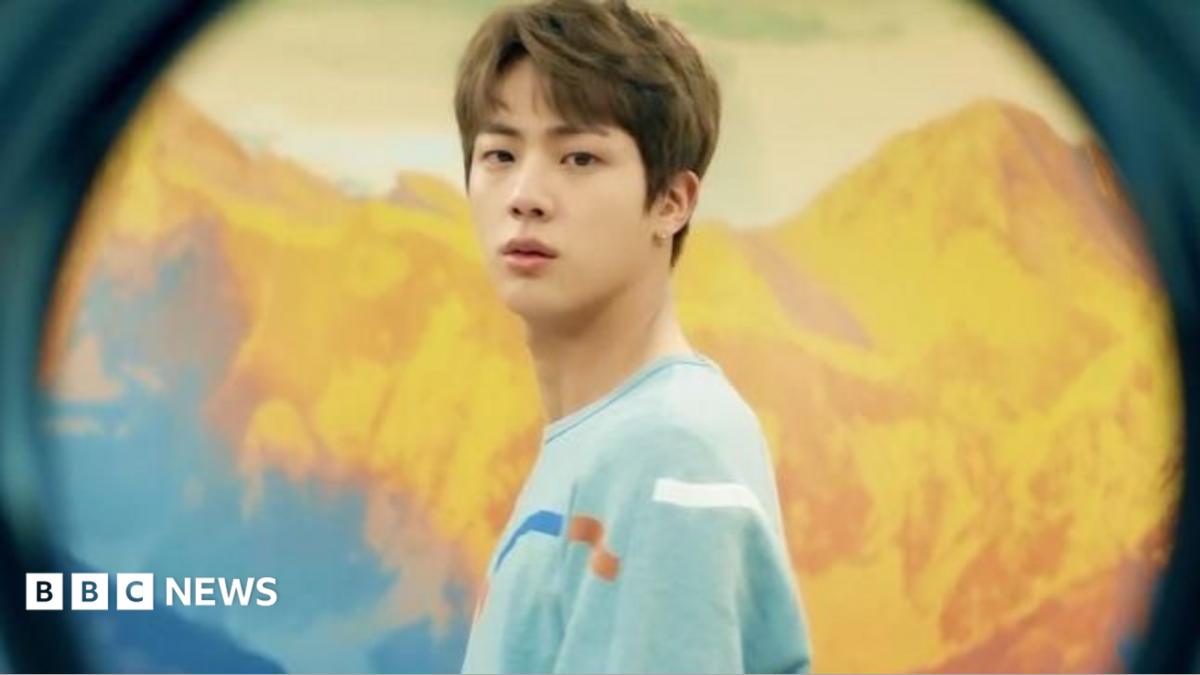
The BBC reports that K-pop in North Korea has reached people inside the country despite tight state controls, based on interviews published on 2026-07-17T22:14:12.000Z. The piece, headlined “Kim Jong Un was meant to be their only idol – then North Koreans discovered K-pop,” draws on testimony from defectors to explain how outside music circulates.
This explainer uses the BBC reporting as its primary source and summarizes what defectors described: the routes music takes into North Korea, how listeners manage risk, the limits of verification, and what these accounts suggest about everyday life under Kim Jong Un.
What the BBC reported
The BBC News – Top Stories article published on 2026-07-17T22:14:12.000Z presents interviews with people who have left North Korea. It attributes claims about the spread of popular South Korean music to those interviewees and to the BBC’s reporting. Where this explainer repeats those findings, it does so with clear attribution to the BBC and to defectors.
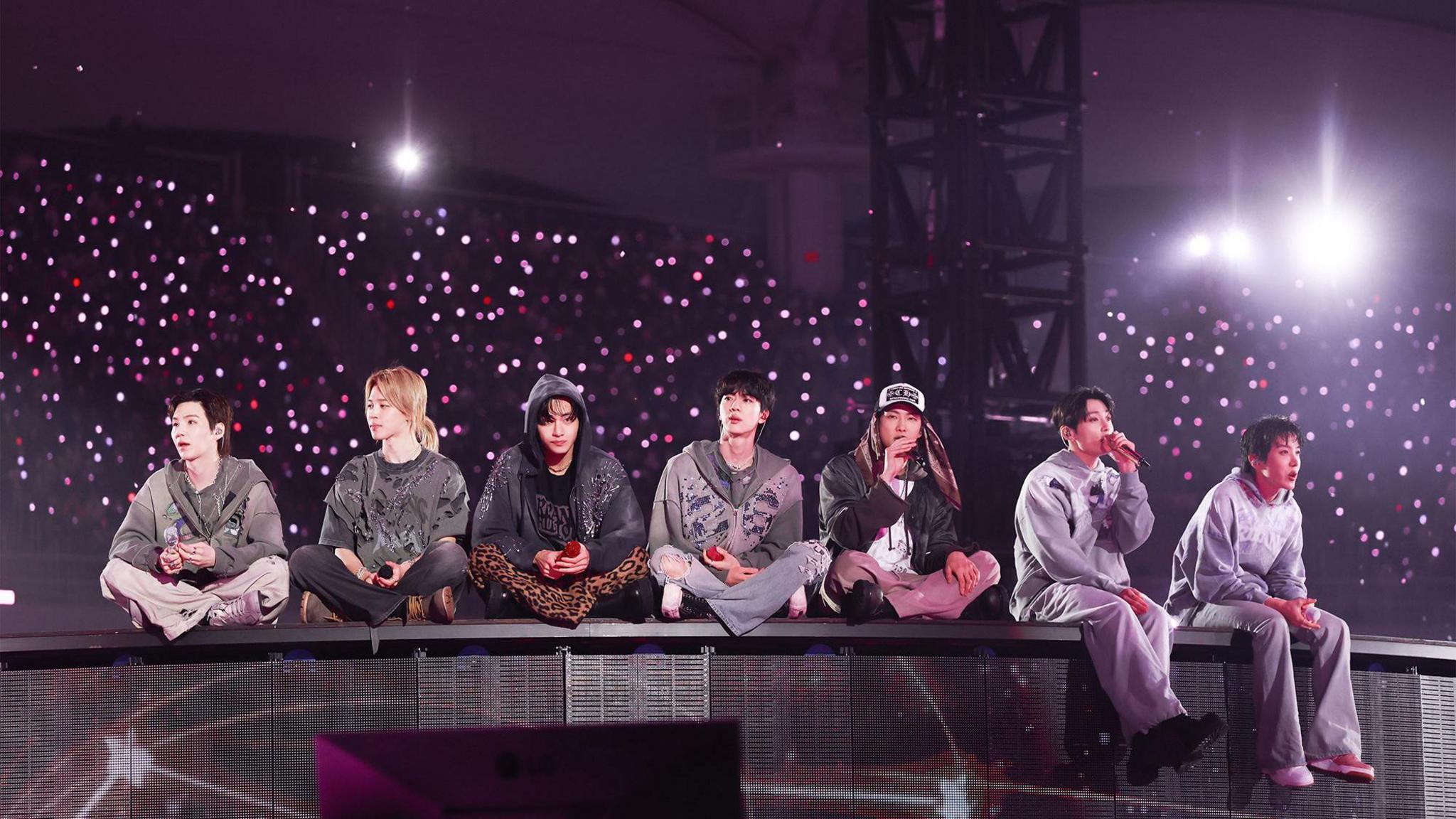
K-pop in North Korea: how it spreads
Defectors told the BBC that K-pop reaches listeners through a patchwork of covert channels rather than through official media. Smuggled physical storage devices such as USB drives and memory cards were repeatedly mentioned as practical carriers for songs and videos.
Other routes include radios tuned to foreign broadcasts near border areas, traders and migrants bringing content across frontiers, and copied files passed hand to hand. Portable media players and small devices that can be concealed make it easier for music files to move quietly among communities.
Because digital files are compact and cheap to copy, a single smuggled file can be replicated and shared widely. Defectors said younger listeners in particular used these methods to access pop music, music videos and related fashions or slang heard in songs.
Music often arrives piecemeal: single tracks, downloaded clips or short videos rather than full, official albums. That makes distribution organic and informal, relying on personal networks rather than commercial channels.
Defectors’ accounts and limits
The BBC report is built on first-hand accounts from people who experienced life inside North Korea and later left. These testimonies are valuable for understanding individual behaviour, motivations and the social meaning of foreign media.
At the same time, defector testimony has limits. Memories differ, experiences are shaped by local circumstances, and those interviewed may come from particular regions or social groups. Independent, on-the-ground verification inside North Korea is extremely limited, so the BBC and this explainer treat those narratives as reported observations rather than definitive measurements of nationwide trends.
Where possible, the reporting notes these caveats. Readers should understand that the presence of K-pop in some communities does not necessarily imply uniform or large-scale consumption across the whole country.
State control, risks and official response
Under Kim Jong Un, the North Korean state maintains strict control over information, culture and media. The regime promotes state-approved art and propaganda and restricts foreign content it views as politically or ideologically harmful.
The BBC and defectors describe a range of risks for those who possess or distribute banned material. Commonly cited consequences include confiscation of devices, interrogation and criminal penalties. Surveillance and community enforcement are part of how officials try to detect and deter the sharing of foreign media.
These enforcement measures coexist with persistent attempts by individuals to obtain entertainment and information from outside the country. That tension—between strict controls and private curiosity—helps explain why covert sharing networks continue to exist.
What this reveals about daily life
Even limited access to external music can hold symbolic importance. For some listeners, K-pop offers a glimpse of different lifestyles, fashion and values that contrast with official messaging. That can matter for identity, aspirations and how people imagine the outside world.
Informal cultural exchanges created by shared music do not automatically translate into political dissent. But they can change how people perceive the state narrative and widen familiarity with outside cultures. Defector accounts in the BBC story stress that concerns about food, work and family often dominate daily life, and access to music is one of many small openings through which outside influence seeps in.
Expert context
Scholars and analysts of closed information environments note that cultural leakages—through trade, market activity and personal networks—are a long-standing phenomenon. Over time, these leakages can shift tastes, expectations and the flow of information, even if political change does not follow directly.
Experts often caution that interpreting the significance of leaked cultural goods requires care: the presence of foreign music is a useful signal about information flows, but it is only one indicator among many about how people live and what they believe.
Frequently asked questions
How does K-pop reach people inside North Korea?
According to defectors interviewed by the BBC, K-pop circulates through smuggled USB drives and memory cards, portable media players, copied files shared by hand and occasional reception of foreign radio broadcasts near border areas.
Is it illegal to listen to K-pop in North Korea?
Yes. The state restricts access to foreign media and imposes penalties for possessing or sharing banned content. The BBC report and defector testimony describe confiscation, interrogation and legal penalties as risks associated with consuming foreign music.
How reliable are defector accounts about K-pop inside the country?
Defector testimony provides important first-hand insight but has inherent limits: individual experiences may not represent the whole population, and independent verification inside North Korea is difficult. The BBC frames these accounts with that context.
Source attribution
This explainer is based on reporting by the BBC. For the original article and the full set of defector interviews, see the BBC piece: BBC News – Kim Jong Un was meant to be their only idol – then North Koreans discovered K-pop (published 2026-07-17T22:14:12.000Z).