Laos methanol-linked tourist deaths remain unresolved after Laotian officials told the BBC they could not determine the cause because no autopsies were carried out. That lack of post-mortem and toxicology evidence means investigators cannot definitively confirm methanol poisoning as the cause of the fatalities.
This article explains what has been reported, why autopsies and toxicology matter in suspected methanol cases, the investigative gaps that keep the link unproven, public health and accountability implications, and what travellers and investigators should watch for next.
What happened and what is known
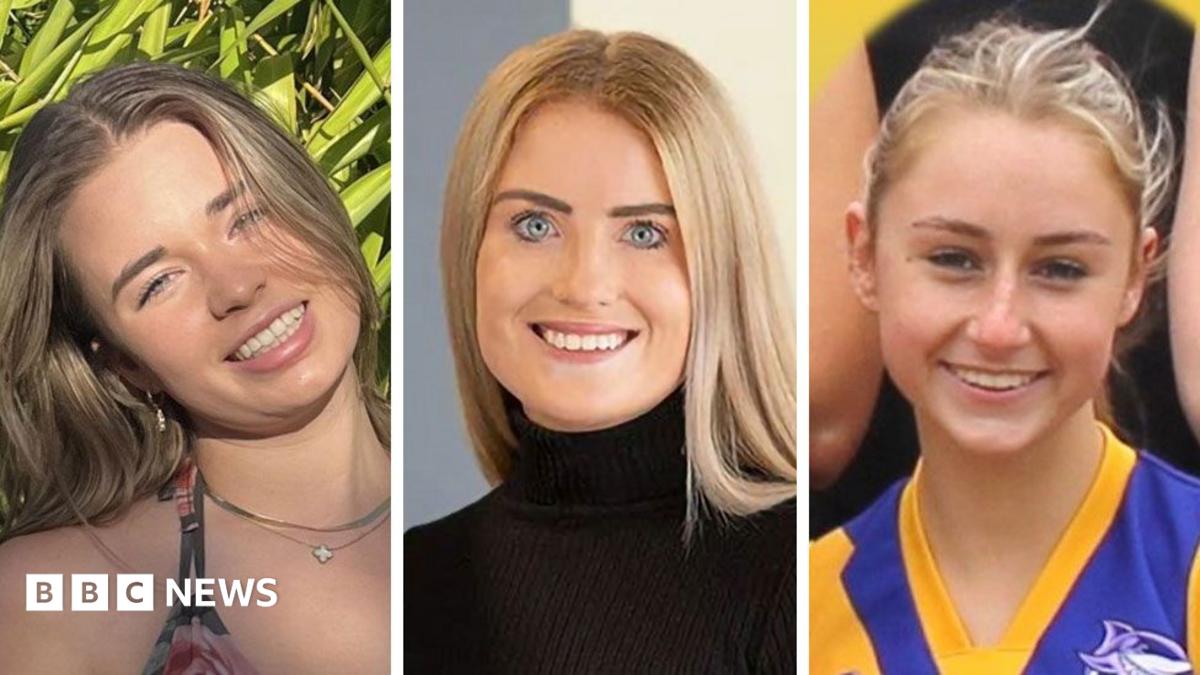
In 2024 media reports linked a number of tourist deaths in Laos to methanol, an industrial alcohol that can be toxic if ingested. Laotian officials have acknowledged the reports but — according to their statements to the BBC — said they lack the forensic evidence to confirm methanol as the cause.

Authorities have reported that autopsies were not performed on the deceased and that no conclusive toxicology results have been produced. Without those examinations, the precise pathway from exposure to illness and death has not been established in the official record.
Why autopsies matter in suspected methanol poisoning
Autopsies and laboratory toxicology tests are central to determining whether methanol caused a death. They allow forensic pathologists to detect methanol or its metabolites in blood, vitreous humor or tissues, and to correlate clinical signs with the expected patterns of methanol toxicity.
Toxicology can distinguish methanol from other substances, estimate exposure levels, and help reconstruct timing — details needed both for public-health decisions and any legal or regulatory follow-up. Clinical records from living patients can point to a pattern, but post-mortem testing remains the gold standard when a death is under investigation.
How Laos methanol-linked tourist deaths remain undetermined
Laos methanol-linked tourist deaths remain undetermined because, as officials told the BBC, no post-mortem examinations were carried out and there are no confirmed toxicology reports tying methanol to the fatalities. That absence leaves the reported link as an unproven allegation rather than an established cause.
There are several legitimate, non-speculative reasons autopsies may not take place: family objection or absence of consent, local legal or procedural limits on post-mortems, logistical or resource constraints in medical facilities, or rapid repatriation of remains. Any of these can create an evidentiary gap that prevents investigators from reaching a firm conclusion.
Public health and accountability implications
When potential poisoning cases cannot be confirmed, public health authorities have fewer tools for targeted action. Confirmed methanol cases typically trigger product testing, targeted warnings to sellers and consumers, and clear clinical advisories for treating suspected exposures. Without confirmation, responses may be broader and slower, increasing the risk a contaminated source remains in circulation.
Accountability is also affected. Civil and criminal investigations that seek to tie deaths to a specific product, producer or supplier generally require medical proof of cause. The lack of post-mortem evidence constrains legal remedies and can leave families without conclusive answers.
What comes next for investigators and travellers
Even without autopsies, investigators can pursue other lines of inquiry that may clarify what happened: testing any seized or remaining alcohol samples at accredited laboratories, reviewing hospital records and blood tests from survivors, interviewing witnesses and vendors, and checking whether similar illnesses have been reported elsewhere.
For travellers, the practical advice is precautionary and specific. Avoid informal, unlabelled or unregulated alcoholic products; prefer sealed, branded bottles from licensed retailers. Seek immediate medical care for symptoms associated with methanol poisoning — notably blurred vision or vision loss, severe abdominal pain, rapid breathing, confusion or unconsciousness — and tell clinicians about recent alcohol consumption so appropriate tests and antidote treatment (such as fomepizole or ethanol and supportive care) can be considered promptly.
Background and investigative limits
Methanol is a toxic alcohol that can cause metabolic acidosis, blindness and death even at relatively low ingested doses. Confirming it as the cause of a fatality requires detecting the substance or its breakdown products in biological samples and matching clinical and pathological findings to known methanol injury patterns.
Where autopsies are not performed, investigators may rely on interviews, clinical tests from survivors, environmental sampling and any available product analysis. Those steps can build circumstantial evidence but do not replace the definitive information a post-mortem provides when determining cause of death.
Practical travel guidance
Travellers should prioritise licensed and reputable sellers for alcohol purchases, be cautious of unusually cheap or informal offerings, and keep emergency contact details and travel insurance information accessible. If illness follows alcohol consumption, seek urgent medical care and ensure clinicians are aware of the potential for toxic alcohol exposure.
FAQ
What happened with Laos methanol-linked tourist deaths?
Reports linked several tourist deaths in Laos to methanol. Laotian officials told the BBC they could not determine the cause because autopsies were not done and no conclusive toxicology results were available.
Why does Laos methanol-linked tourist deaths matter?
If methanol contamination is present, more people could be at risk and targeted public-health actions would be needed. Without confirmed cases, authorities face limits on precise interventions and accountability efforts.
What happens next?
Investigators may test any remaining product samples, review hospital records, interview witnesses and monitor for further reports. Clear, independent laboratory confirmation would be the key development to watch for.
Source
Reporting for this article is based on the BBC News report: Laos says it can’t determine cause of tourist deaths linked to methanol.