The U.N. General Assembly on June 30 approved a peacekeeping budget of roughly $5.1 billion, marking a 9.7% cut from last year as U.N. budget cuts were advanced alongside a change to how unspent funds are handled. U.S. officials say the combined peacekeeping and earlier regular-budget reductions are projected to represent more than $1 billion in assessed-budget savings over six months, a figure U.S. negotiators describe as an estimate tied to enacted cuts and projections.
What the General Assembly approved
The General Assembly approved a peacekeeping budget of approximately $5.1 billion for the coming fiscal year, down about $550 million, or 9.7%, from the prior year.
Delegates adopted the package with all 193 member states voting in favor. The vote follows earlier work on the U.N.’s regular budget and is being presented by negotiators as part of a broader effort to tighten assessed spending.
“On June 30th, with U.S. leadership, all 193 countries came together again for the second time in six months,” U.S. Ambassador for U.N. Management and Reform Jeff Bartos said, describing the outcome as an unprecedented package of savings.
U.N. budget cuts: U.S. role and the reform push
U.S. negotiators have pushed for tighter fiscal oversight at the United Nations, pressing for cuts and procedural changes they say will curb inefficiency and better align resources with operational priorities.
Bartos credited sustained U.S. negotiation for the package and highlighted a broader reform agenda intended to reduce assessed spending and improve accountability.
“We’ve achieved over a billion dollars of savings in six months, which is unprecedented,” Bartos said, while also noting that the figure reflects a mix of enacted reductions and U.S. officials’ projections rather than finalized, audited savings.
New unspent funds methodology and the four year trial
Delegates agreed to a four-year trial of a new unspent funds methodology that changes when and how the U.N. returns unused budget credits to member states.
Under the approach, unspent funds would be returned only when backed by cash actually received from member states, rather than being calculated on paper as early credits. U.S. officials contend the method could relieve recurring liquidity pressure and reduce the need for ad hoc adjustments.
Bartos described the expected benefit as provisional: “That change could save the organization more than $1 billion over the next three years,” he said, and the number has been presented by U.S. officials as a projection tied to payment behavior and trial implementation rather than a confirmed realized saving.
Operational impact on peacekeeping missions
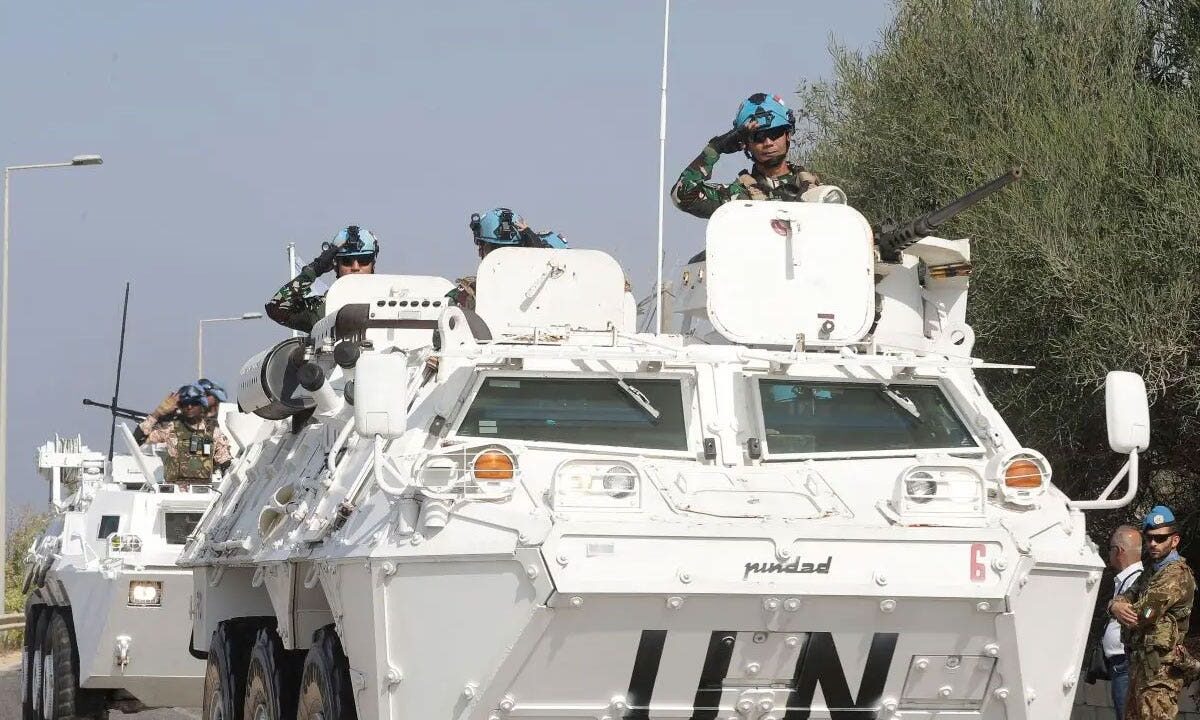
Officials say the cuts aim to force greater efficiency in field missions while protecting core operations and the safety of personnel. Mission managers are being asked to streamline mandates, prioritize essential tasks and demonstrate measurable outcomes.
The U.N. Mission in South Sudan was cited as an example where mandate adjustments accompanied budget reductions; U.N. and troop-contributing countries will need to manage any gaps through redeployment, prioritization or supplementary resources.
U.N. spokesman Stéphane Dujarric confirmed the peacekeeping and regular budget reductions and emphasized the need to maintain operational continuity for missions dependent on assessed budgets. “Every dollar has to achieve impact on the ground,” Bartos said, summarizing U.S. officials’ approach to aligning spending with measurable outcomes.
What comes next for U.N. reform and leadership
Delegations and U.S. officials say further reforms are on the agenda, focusing on staff compensation, employee benefits and the U.N. pension system — areas described as consuming resources that could be shifted to frontline operations if reformed.
Those reforms are likely to remain prominent as member states begin preparations for the selection of the next secretary-general in 2027, a process that could influence priorities for oversight and resource allocation.
“We’re going to continue to see us push whether it’s on benefits, whether it’s on staff compensation, whether it’s on the pension system,” Bartos said, noting that a broader reform momentum has built over the past 15 to 18 months.
By the numbers
Approved peacekeeping budget: ~ $5.1 billion (about $550 million, or 9.7% below the prior year).
Prior regular budget cut: 15% (approved in December).
U.S. officials’ reported six-month savings: more than $1 billion (presented by U.S. negotiators as a projection that includes enacted reductions and forecasted impacts of policy changes).
Source: Fox News — Original reporting: https://www.foxnews.com/world/trump-administration-touts-1-billion-un-budget-cuts-reform-push-gains-momentum
Analyst note: The projected savings from the unspent funds change and other reductions are estimates presented by U.S. officials; the actual fiscal impact will depend on member states’ payment behavior and implementation details during the four-year trial.