Dateline: Medway, 20 July 2026 — A woman in Medway has urged local health services to set up endometriosis wellbeing hubs to support people living with the condition. She told BBC News that a dedicated local hub could reduce the need to chase multiple appointments and would offer practical help, peer support and clearer routes into specialist care.
What the Medway woman says
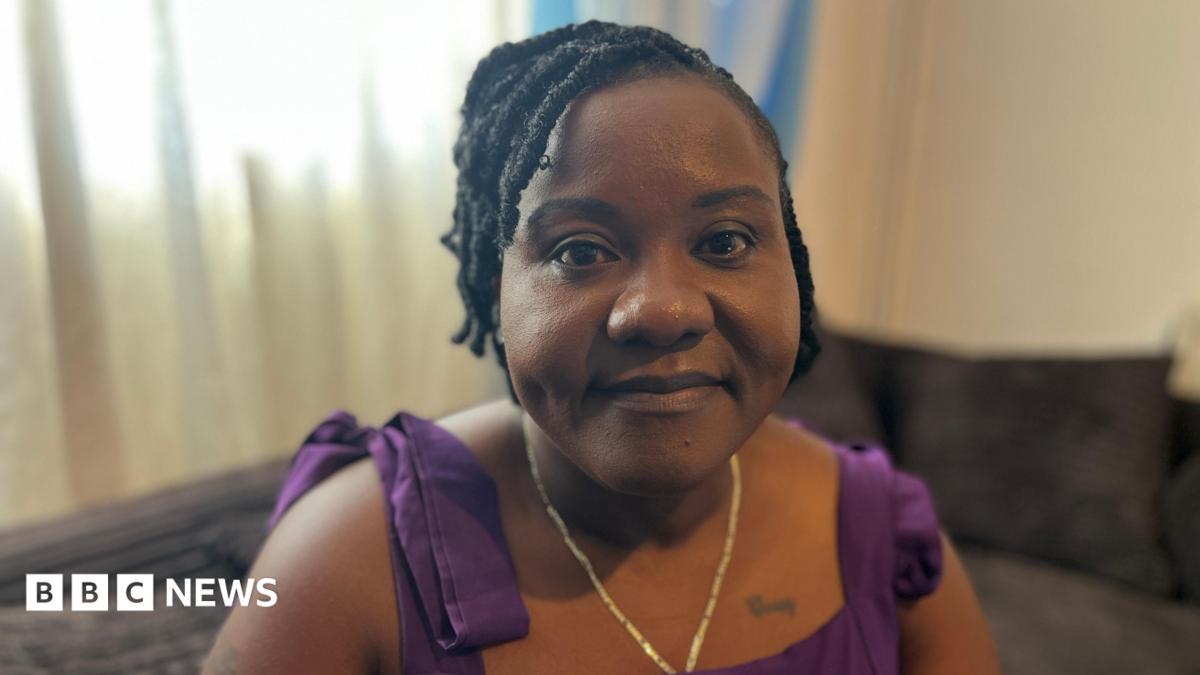
The Medway woman at the centre of the BBC report described years of chronic pelvic pain and the fragmentation of care that followed diagnosis. She said the emotional and practical burden of navigating separate referrals, tests and pain clinics left her feeling alone and exhausted.
“I felt isolated and I had to chase appointments for years,” she told BBC News, summarising why she and other campaigners want a single local hub where patients can get information, find counselling and be directed to specialist gynaecology services without repeating their story at every appointment.
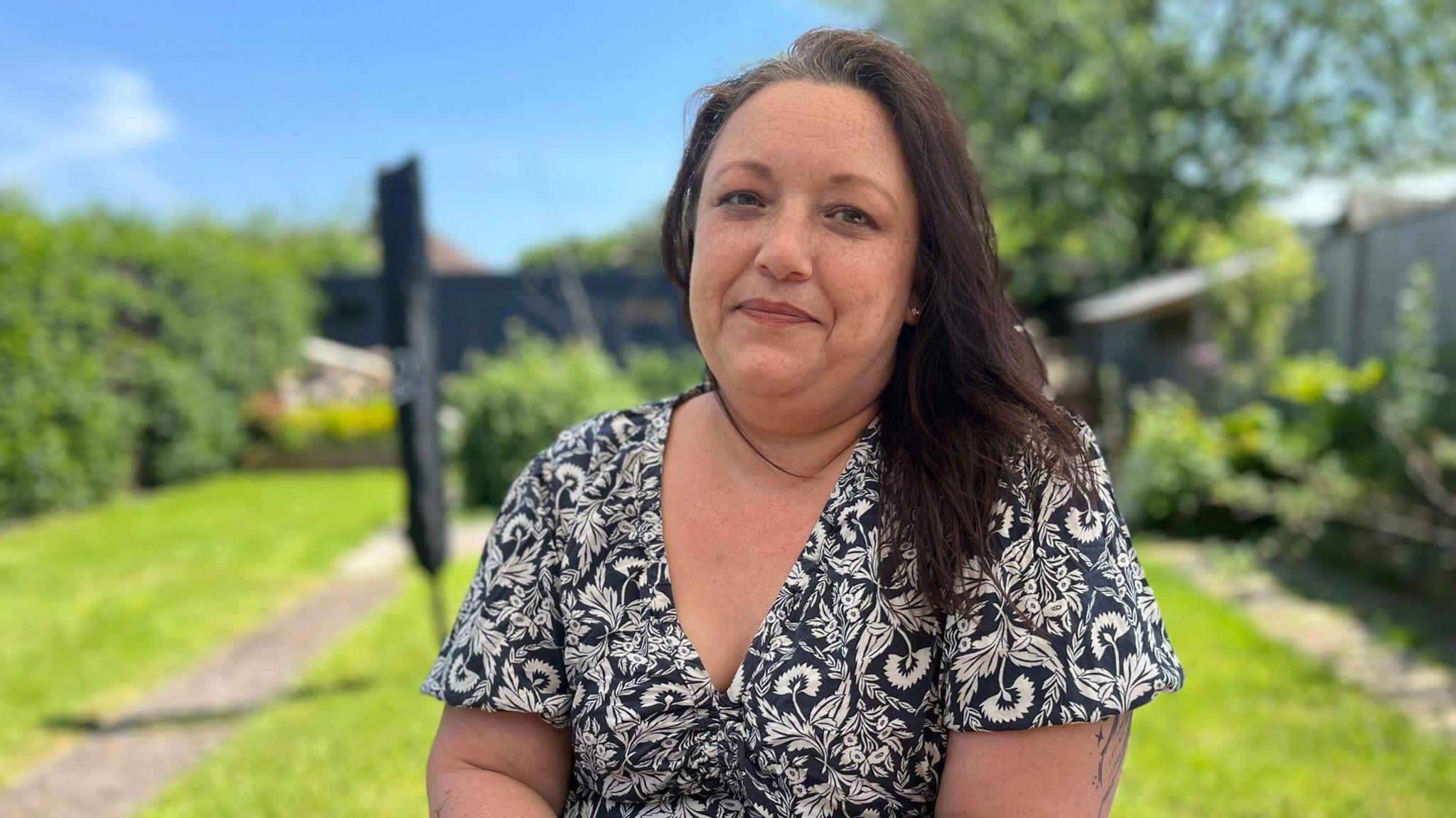
Her call is framed not only as a demand for medical access but as a push for joined-up wellbeing services that address the physical, mental and social impacts of long-term pelvic pain. Local campaigners say that putting patient experience at the centre of service design would make care easier to navigate and reduce delays in effective treatment.
Local services and gaps
Services for people with endometriosis in and around Medway currently involve a mix of GP care, community clinics and referrals into hospital gynaecology and pain-management teams. The BBC report highlights that some residents find options limited close to home and that referral pathways are not always straightforward.
Patients described long waits for specialist opinions and a reliance on successive short appointments that do not always offer holistic management of pain, fertility concerns, or the psychological effects of chronic illness. Campaign groups in the area say these gaps can mean repeated assessments and delays before a stabilising treatment plan is in place.
Clinicians and patient advocates who support the hub idea emphasise that it would not replace specialist hospital care but act as a local coordination point, improving signposting and reducing unnecessary travel and repeated hospital visits. The BBC piece places the Medway call within a wider national debate on improving women’s health services and the need for more integrated community support.
How endometriosis wellbeing hubs would help
Wellbeing hubs for endometriosis are proposed as multi-disciplinary centres where people can access a range of services in one place. Proposed features include nurse-led assessment clinics, clear referral pathways into gynaecology, pain-management plans, physiotherapy, fertility advice, counselling and peer-support groups.
Supporters say hubs could streamline referrals, reduce the number of separate appointments, and provide education for family members and employers about how endometriosis affects daily life. For many patients, easier access to physiotherapy and mental health services alongside medical reviews could improve functioning and quality of life.
Campaign groups point to the practical value of a predictable first point of contact: a staffed reception or helpline where people are given a clear plan of next steps, including who will coordinate care. The hub concept also encourages stronger links with community organisations and voluntary groups that can offer peer support and practical help.
What comes next and source note
The BBC report does not record a formal response from local health authorities in Medway. In similar local campaigns, next steps often include community meetings, written proposals to local NHS commissioners and joint feasibility work involving clinical leads, commissioners and patient representatives.
Supporters in Medway are likely to press for a short feasibility study to map demand, identify available clinical staff and estimate running costs. A common pathway would be: community engagement and needs assessment over 2–3 months, followed by a 3–6 month service-design phase involving clinicians and commissioners, and then a pilot phase lasting 6–12 months if funding can be secured. Any pilot would need clear outcome measures such as reduced secondary care appointments, improved patient-reported outcomes, and waiting-time metrics.
Local campaigners may seek meetings with NHS commissioners, primary care networks and council public health teams to explore funding and governance. If a pilot is agreed, it could be led jointly by local commissioners and clinical leads with oversight from a patient advisory group to ensure services match what people with endometriosis say they need.
In the meantime, people in Medway looking for support are advised to speak to their GP about referral options and local community organisations that offer women’s health services; national charities also provide advice and online peer networks for people managing endometriosis.
Dateline: Medway, 20 July 2026.
Source: BBC News – Health — You are not alone with endometriosis pain