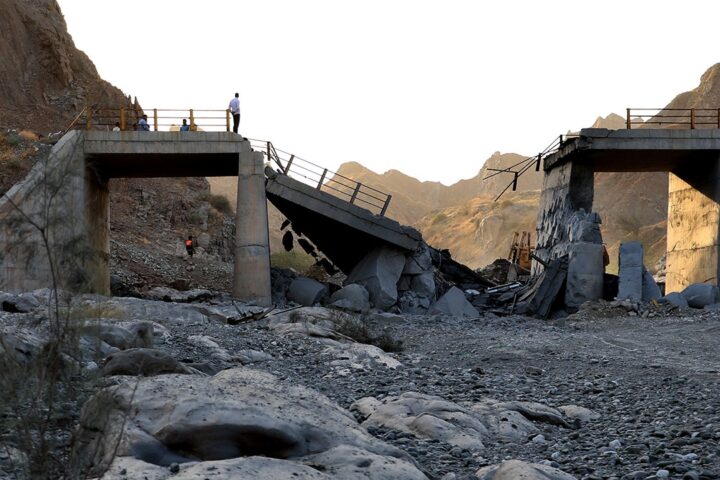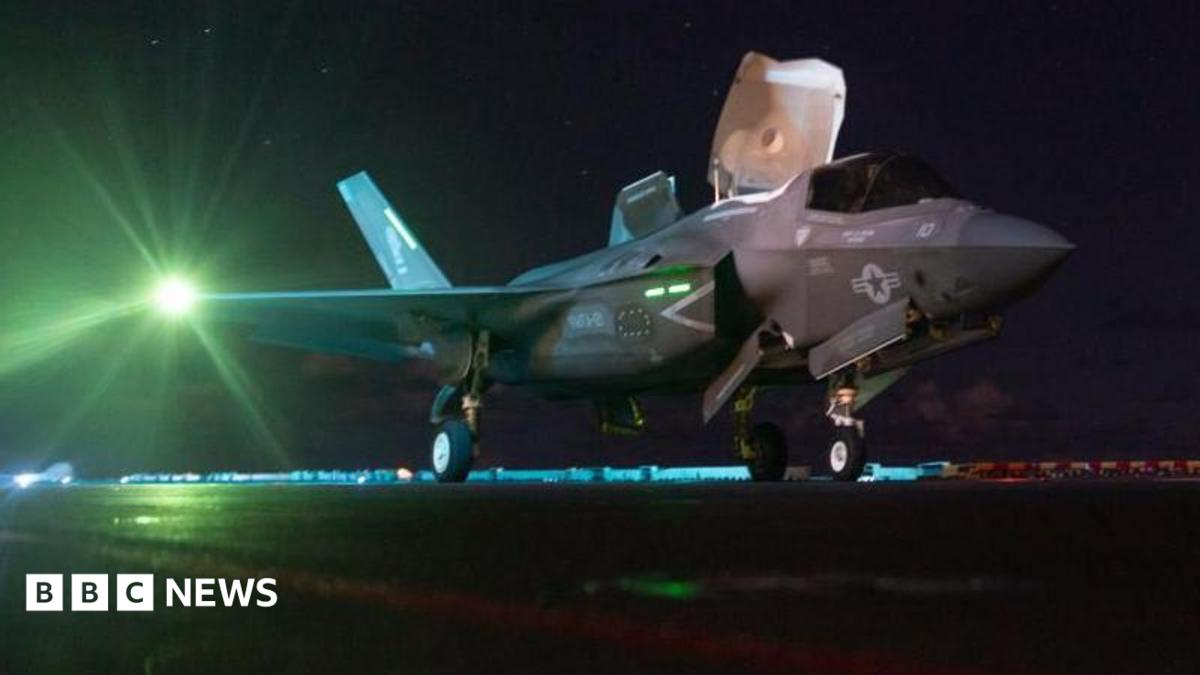
President Trump said the US strikes hit Iran “in honour” of American soldiers killed, framing the operation as a direct response to those deaths. BBC reporting on 2026-07-20 describes a fast-moving set of incidents: the president’s statement, reported Iranian responses in Syria and Jordan, and explosions on two commercial ships in the Strait of Hormuz.
Independent verification of all details remains limited. Officials, local media and international outlets are still trying to confirm exact targets, the scale of damage and any casualties. This article summarises what has been reported, highlights the likely regional implications and points to the BBC report for source verification.
Key claim from Trump — US strikes Iran ‘in honour’
Mr Trump said the strikes were carried out “in honour” of American soldiers who had been killed, using the language to justify the action publicly. The White House presented the strikes as a targeted response, and the president repeated that rationale in his statement.
That claim anchors the immediate narrative, but it should be read alongside official caveats: the full details of where and how strikes were conducted inside Iran had not been independently corroborated at the time of reporting. The BBC piece relays the president’s statement alongside accounts from regional officials and local media sources.
Reported regional responses
The BBC reports Iran responded with strikes reported in Syria and Jordan. Local officials and media in those countries described attacks on positions linked to Iranian-backed groups and allied forces. Some officials reported damage to facilities; other descriptions remain preliminary and vary by source.
These reported counterstrikes fit a pattern seen in prior episodes of confrontation, where Iran has used regional positions to project force or signal retaliation. However, attribution in such incidents can be contested and often takes time and independent investigation to confirm.
Maritime reports and incidents in the Strait of Hormuz
Separately, the BBC cited reports that two commercial ships exploded in the Strait of Hormuz, a strategic and narrow waterway through which a significant share of the world’s oil shipments pass. The blasts were reported amid heightened naval alertness in the region.
Shipping companies and regional navies were said to be monitoring sea lanes closely. Maritime observers told reporters that such incidents raise the perceived risk for vessels transiting the strait, potentially disrupting shipping schedules and insurance assessments even before definitive causes are established.
Background: recent tensions and maritime security
Tensions between the US and Iran have persisted for years, involving sanctions, proxy confrontations across the Middle East and periodic strikes or counterstrikes. The Strait of Hormuz has been a flashpoint in past episodes when vessels were attacked or detained, prompting international concern about freedom of navigation.
These events occur in a crowded regional security picture, where state actors and non-state groups operate in close proximity. That complexity makes prompt, independent verification difficult and increases the chance of misattribution in the early hours after an incident.
What this could mean
The reported sequence — US strikes announced by the president, Iranian-linked responses in Syria and Jordan, and explosions in a major shipping lane — points to the risk of rapid escalation. Analysts warn that tit-for-tat moves can widen the scope of conflict, drawing in additional actors or prompting more forceful responses.
Economic consequences are also a concern: disruptions in the Strait of Hormuz can affect global energy markets and raise costs for shippers. For military planners, the priority is often to control escalation while protecting forces and maintaining freedom of navigation.
What comes next
In the short term, expect official statements from the US, Iran and regional governments as authorities seek to confirm details and justify their actions. International organisations and allied states may call for restraint and verification. Independent media and monitoring organisations will aim to corroborate reports on the ground and at sea.
If further evidence emerges of strikes inside Iran or confirmed casualties, diplomatic pressure and potential additional military steps could follow. Conversely, clear, verifiable de‑escalation measures or hostage returns in past incidents have reduced tensions; both outcomes remain possible depending on political choices in the coming days.
Timeline and sourcing
- 2026-07-20 — BBC News published the initial report covering the president’s statement and related regional incidents.
- The BBC article reports the president’s statement and describes subsequent reported actions in Syria and Jordan and maritime explosions in the Strait of Hormuz.
For verification and further detail, see the BBC News report: Trump says US strikes hit Iran in ‘honour’ of American soldiers killed — BBC News (published 2026-07-20).
Source attribution: BBC News – Top Stories. Original reporting published 2026-07-20.
We will update this story as further official confirmations, on-the-ground reporting, or statements from involved governments become available.