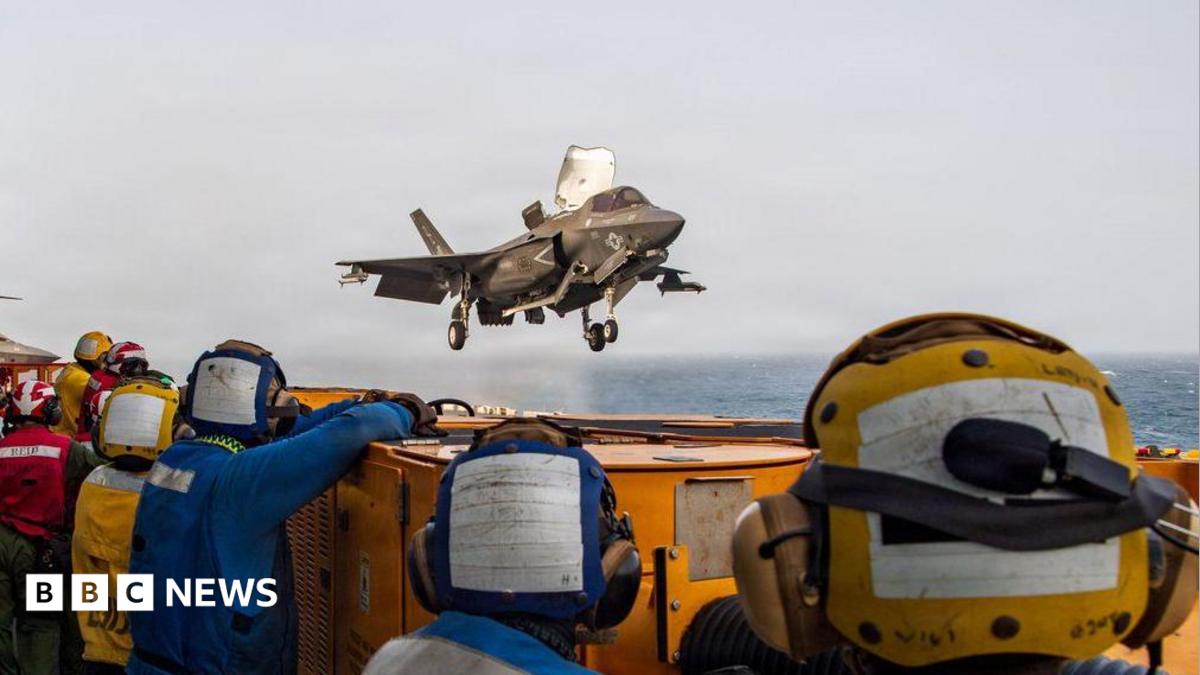
US strikes on Iran were reported by the BBC, which says Washington launched fresh military actions it described as aimed at degrading Tehran’s ability to attack ships in the Strait of Hormuz. The US framed the moves as targeted efforts to limit threats to commercial and naval vessels in a key shipping lane.
Quick facts
- BBC reports the US launched fresh strikes on Iran.
- The US says the strikes were intended to degrade Iran’s ability to attack ships in the Strait of Hormuz.
- Former President Trump warned of retaliation after soldiers were killed; responsibility for those deaths is not independently verified in the BBC report.
BBC: US launches fresh strikes on Iran, as Trump warns of retaliation for death of soldiers
US strikes on Iran: US says the aim
According to the BBC, US officials said the strikes targeted specific sites and systems they believe could be used to attack commercial and military shipping in the Strait of Hormuz. The US characterised the operations as limited and defensive in purpose, aimed at degrading capabilities rather than provoking a wider war.
That description comes directly from US sources quoted in the BBC account. The report does not provide independent, on-the-ground verification of the precise targets hit or the level of damage inflicted. As a result, the details of what was struck and how effective the strikes were remain dependent on official statements so far.
Trump warns of retaliation
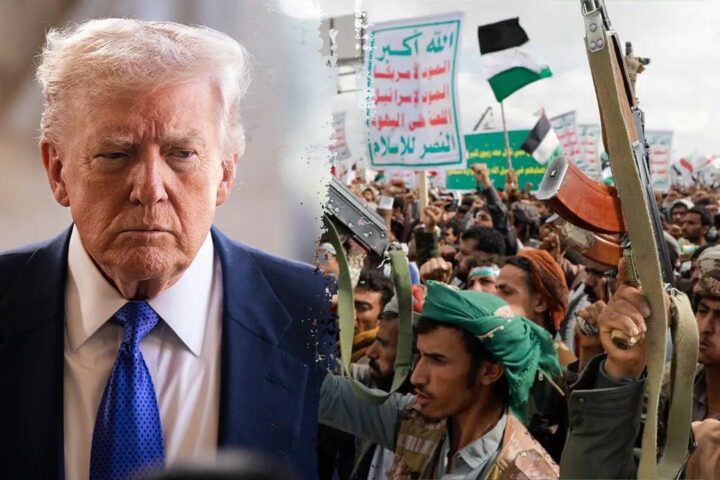
Former President Donald Trump is reported by the BBC to have warned of retaliation after the deaths of soldiers he linked to the same series of tensions. His remarks framed the action and any further responses as measures to punish those responsible for those deaths.
The BBC account stresses that responsibility for the soldiers’ deaths is not established in the report and has not been independently verified. Public warnings by political figures can heighten the risk of miscalculation, particularly when attribution is incomplete or contested.
Impact on shipping and regional security
The Strait of Hormuz is one of the world’s most important maritime chokepoints for oil and goods. Even targeted strikes intended to reduce threats can change behaviour in the short term: shipping companies may reroute vessels, charterers could seek different insurance terms, and some operators may delay transits until the situation clarifies.
Insurance premiums and operational costs often rise quickly when military activity increases in a corridor like the Hormuz. Beyond commercial effects, naval forces from a range of countries patrol the area and may alter their posture — for example by increasing escorts or surveillance flights — to protect merchant traffic and deter further attacks.
On the diplomatic and military level, the strikes could encourage Iran and its regional allies or proxies to adjust tactics in response, from stepped-up harassment of ships to more direct strikes. Even if actions remain limited, the cumulative effect of reprisals and countermeasures tends to raise the overall risk of accidental clashes at sea.
Timeline (brief)
- Prior incidents: Reports of attacks on ships and rising incidents in the Gulf increased tensions and prompted heightened monitoring.
- BBC report: US launched fresh strikes on Iran, with officials saying the aim was to degrade capabilities to attack ships in the Strait of Hormuz.
- Public response: Former President Trump warned of retaliation after soldiers were killed; the BBC notes attribution for those deaths is not independently verified.
What comes next
The immediate period after such strikes is typically marked by close monitoring for signs of retaliation. Possible next steps include direct Iranian reprisals, action by Iran-linked proxy groups, further US operations, or intensified diplomatic efforts to manage escalation. Which of these paths unfolds depends on decisions by leaders in Tehran, Washington and regional capitals.
Officials and analysts will be watching several indicators: any confirmed statements from Tehran taking responsibility or promising reprisals; independent evidence of damage at the reported strike sites; claims of responsibility related to the soldiers’ deaths; and movements of naval and air assets in the Gulf. Changes in shipping advisories, insurance notices and port operations will also signal how commercial actors are assessing risk.
Diplomatic channels often work behind the scenes after incidents like this to reduce the risk of a larger conflict. At the same time, public statements can limit leaders’ room to manoeuvre, increasing the chance of further, rapid responses.
Source attribution
This article is based on reporting by BBC News, which is the primary source for the account above. The BBC reports that US officials said the strikes were intended to degrade Iran’s ability to attack ships in the Strait of Hormuz. The BBC account also records former President Trump’s warnings tied to the deaths of soldiers.
Verification limits: the BBC report attributes key claims to US officials and to Mr Trump; it does not independently verify the specific strike targets or confirm responsibility for the soldiers’ deaths. We have preserved those qualifications where relevant.
Read the BBC report for further details: BBC: US launches fresh strikes on Iran