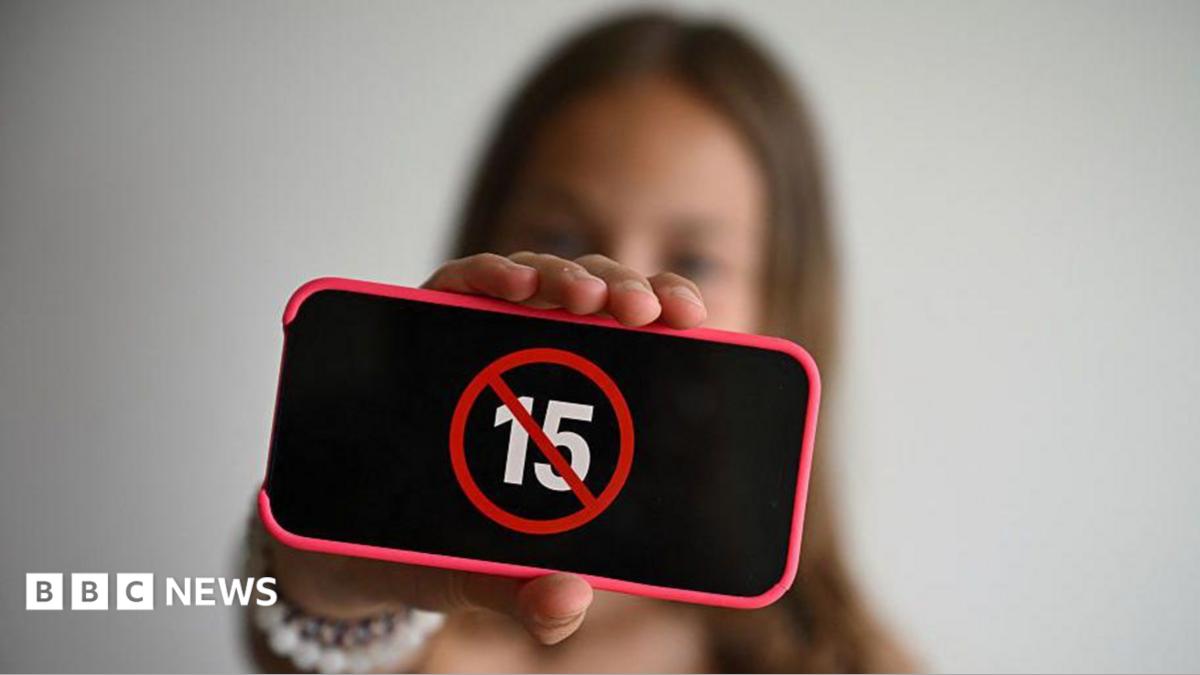
France under-15 social media ban has been passed, and the law requires social media platforms to verify users’ ages “from January,” according to reporting by the BBC (BBC News). The BBC article does not specify which year “from January” refers to, leaving the timetable ambiguous.
- What: A new law banning under-15s from social media.
- Main rule: Platforms must verify users’ ages starting “from January” (BBC).
- Unknowns: The BBC report does not give a year, enforcement details, or technical rules.
France under-15 social media ban: quick summary
France has passed legislation that, according to the BBC, will ban children under 15 from using social media and require platforms to put in place systems to verify every user’s age from January (BBC News). The BBC coverage uses the phrase “from January” but does not state the calendar year for that start date.
What the law requires
The core obligation set out in the report is age verification: social media services available in France must check users’ ages and prevent access by anyone under 15. The BBC quotes the rule as taking effect “from January,” but provides no technical or legal specification of acceptable verification methods, data retention, or standards for proof.

The BBC article does not list whether verification would rely on identity documents, third-party checks, parental consent systems, biometrics, or other approaches. It also does not describe data-protection safeguards tied to any verification process (BBC News).
Who is affected and how platforms fit in
The rule targets under-15s in France and places obligations on social media platforms that offer services in the country. That means both French-based users and services accessible to people in France are in scope, although the BBC does not give a legal definition of “social media” or name specific companies covered by the law.
Large global platforms and smaller services could both be affected, depending on how French authorities interpret which services meet the legal threshold for “social media.” The BBC does not provide a list of named services or any threshold for platform size or user numbers (BBC News).
Timing and enforcement gaps
Key points remain unclear. The BBC report repeatedly uses the phrase “from January,” but it does not state the year for that start date. That leaves uncertainty for platforms planning technical changes and for families trying to understand when new checks will appear (BBC News).
The BBC coverage does not describe enforcement mechanisms: it does not say which regulator will oversee compliance, what penalties (if any) will apply for breaches, or how authorities will audit or test platforms’ age checks. Those details are typically set out in implementing regulations or guidance that may follow the primary law.
Because the article lacks specifics on both timing and enforcement, there is likely to be a period in which platforms, users and regulators await clarifying guidance or technical rules that explain how the law will operate in practice.
What users and parents should do now
Until authorities and platforms publish more detail, parents and users in France should take preparatory steps: review account settings, familiarise themselves with available parental controls, and check the help centres of any social services children use. If platforms add age verification steps, they will usually announce changes through help pages, in-app notices or updated terms of service.
Families may also want to discuss online safety and privacy with children now so they are ready for any new verification steps and to understand what personal information a platform might ask for. Parents should be cautious about sharing identity documents and follow platform guidance on how verification data will be handled.
Why it matters
Shifting the responsibility for restricting access to social networks onto platforms changes the balance between protecting young people and the privacy implications of collecting extra data. How verification is implemented will influence both effectiveness and privacy risks: stringent identity checks could reduce under-15 access but increase the personal data platforms hold; lighter-touch approaches such as parental consent may be easier to run but less reliable.
The BBC report highlights the broad contours of the law but leaves open how those trade-offs will be managed in practice (BBC News).
What comes next
Expect French authorities or relevant regulators to publish guidance or technical specifications to clarify the law’s start date, acceptable verification methods, safeguards for personal data, and enforcement procedures. Social media companies operating in France are likely to issue public notices explaining how they will comply and may roll out age-check changes for French users first.
Short-term, look for platform help-centre updates and app notifications; medium-term, watch for regulatory guidance and any legal challenges or clarifications from courts that refine how the rule is applied.
Frequently asked questions
What happened with France under-15 social media ban?
France has passed a law that, according to the BBC, bans under-15s from social media and requires platforms to verify users’ ages “from January.” The BBC article does not specify the year for that start date or many implementation details (BBC News).
Why does France under-15 social media ban matter?
It changes access rules for children in France and places new obligations on platforms to check ages. The move raises questions about privacy, the kinds of data platforms will collect to verify age, and how effectively companies can prevent under-15s from using services.
What happens next?
Authorities and platforms will likely publish more detailed rules and guidance. Users and parents should monitor platform notices and official communications for specifics on timing and verification procedures.
Source: BBC News – Business. Original reporting: France passes law banning under-15s from social media (BBC News).