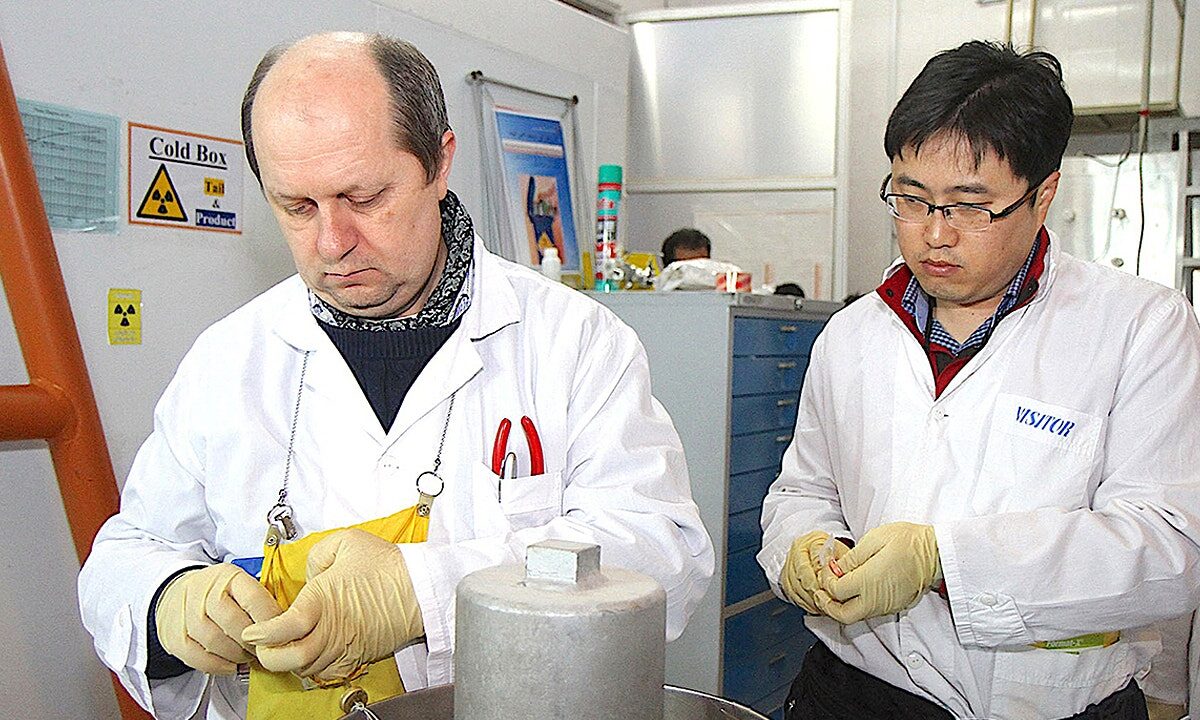
Quick summary
The central contradiction is straightforward: IAEA access to Iranian nuclear sites is being both announced and denied. U.S. statements and comments from IAEA Director Rafael Grossi suggest inspections could resume; Iran’s foreign ministry and other senior officials publicly deny any plan to grant such access to certain sites.
This dispute matters because verification is the mechanism that would detect any backsliding. Past IAEA efforts to investigate suspected weaponization work were hampered by delays, limited entry and disputes over undeclared locations, leaving persistent doubts about how intrusive new oversight would be in practice.
Timeline of key statements
Key public statements, presented chronologically, underpin the current dispute over inspections.
- President Donald Trump (public post): Claimed Iran “has fully and completely agreed to highest level Nuclear inspections long into the future (Infinity!!!),” framing a U.S. view that inspection commitments were secured at the leadership level.
- IAEA Director Rafael Grossi (remarks in Japan): Said a memorandum of understanding (MOU) signed by the two presidents “expressly indicates that the nuclear part will be supervised, monitored, by the IAEA,” and that “initial conversations” about inspections have started. He added, “We hope to be there soon.”
- Iran’s Foreign Ministry (official statement): Spokesman Esmaeil Baghaei denied media reports that Iran had invited the IAEA to inspect its nuclear facilities, saying such claims were incorrect.
- Deputy Foreign Minister Kazem Gharibabadi (X post): Wrote that no meeting had been held with Grossi in Switzerland and that “There is no plan for access to the facilities that were attacked or to the nuclear materials.”
- IAEA (response to media queries): Declined to provide detailed public answers to questions about how this round of oversight would differ from past efforts and whether inspectors could access suspected or damaged sites.
IAEA access to Iranian nuclear sites: what experts say
Experts tracking Iran’s nuclear program say on-the-ground verification depends on timely access, technical reach, and complementary information such as environmental sampling and satellite imagery. David Albright of the Institute for Science and International Security told Fox News Digital that the IAEA “comes up short” because, in his assessment, “Iran has not cooperated for twenty years.”
Analysts point to a pattern of delayed visits, restricted site access and disputes about undeclared locations. Those patterns underpin skepticism that a high-level MOU will automatically allow the intrusive checks needed to detect illicit weaponization work.
Expert reaction
Other independent analysts stress that clearer legal terms and robust technical protocols would be needed to close past gaps. Some policy groups and non-governmental experts argue inspections must go beyond declared nuclear plants to include dual-use sites where sensitive research could be relocated or concealed.
What inspections might cover — and what could remain off limits
The likely scope of any IAEA inspections will hinge on three constraints: the legal authority written into the MOU or implementing documents, Tehran’s willingness to grant access, and the IAEA’s capacity to carry out intrusive verification in sensitive settings.
Declared nuclear facilities — enrichment plants, research reactors and declared storage locations — are the most straightforward sites for inspectors if Iran permits entry; these are already within the agency’s standard safeguards remit.
Suspected or undeclared sites present tougher problems. Access to underground, damaged or military locations is technically and politically complex. The IAEA has in past years struggled to secure timely, repeated inspections at such sites and has been cautious about promising access it could not enforce.
Military bases, university labs and other dual-use locations are the clearest verification challenges. Extending inspections to those venues requires specific legal language in any memorandum, negotiated technical procedures, and a level of cooperation Tehran has often resisted.
Why it matters
If oversight is limited to symbolic visits at declared facilities, critics say the agreement could leave important weaponization pathways unchecked. Effective verification not only requires physical access but also the ability to collect and analyze environmental samples, review documentation, and cross-check intelligence and satellite data.
How early requests for access are handled will be a practical test of whether supervision in the MOU is operational — and whether international capitals can rely on the IAEA to detect and deter covert activities.
Implications for the deal and next steps
Uncertainty over inspections undercuts the credibility of any deal because verification is the principal means to detect backsliding. If the IAEA is limited in scope, opponents argue the MOU could be more aspirational than enforceable.
Practically, next steps are likely to include detailed, technical negotiations to define the MOU’s operational language, IAEA-Tehran talks on procedures, and an initial period when inspectors attempt early visits. How Iran responds to those requests will signal whether supervisory language is meaningful.
Washington and other capitals will also watch whether the IAEA can secure complementary information — satellite imagery, environmental sampling and documentation — to bolster on-site inspections.
Source attribution
This story is based on reporting and public statements from Fox News Digital, comments from IAEA Director Rafael Grossi, and official posts and releases from the Islamic Republic of Iran’s Ministry of Foreign Affairs. Primary reporting used here: Fox News. See Iran’s Foreign Ministry statement at en.mfa.ir. For official IAEA information, see the agency at iaea.org.