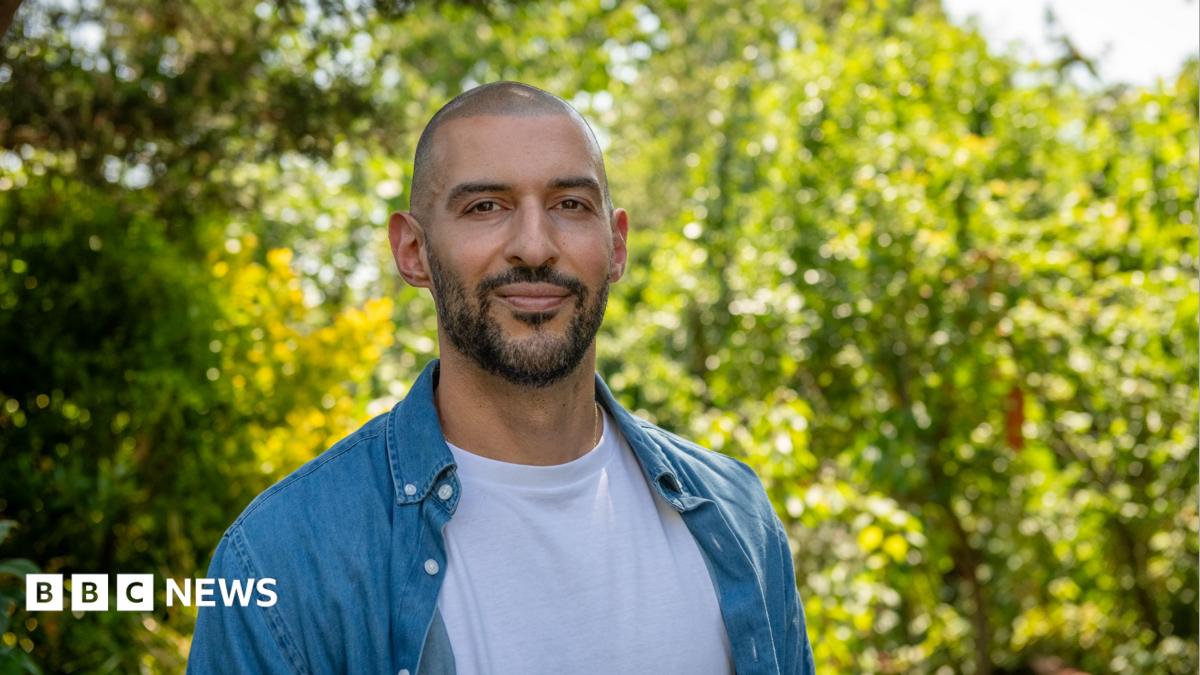
A person featured by BBC News says they are “in therapy for my 14-hour-a-day phone addiction and I’m determined to beat it,” describing how extreme daily smartphone use prompted them to seek professional support. The anecdote and comments from addiction treatment centres highlight growing concern about out-of-control phone use.
“I’m in therapy for my 14-hour-a-day phone addiction and I’m determined to beat it,” the subject told BBC News (BBC News, 28 June 2026).
This article summarises the BBC first-person account, reports what addiction treatment centres are seeing, outlines common therapy approaches, and gives short practical steps people can try to reduce screen time. It underlines key caveats: the 14-hour figure is self-reported and the BBC piece does not present national prevalence data or device logs.
Patient account: phone addiction and the 14-hour-a-day claim
The BBC profile centres on an individual who says their phone use reached 14 hours a day and that they are determined to beat it. The subject describes how checking and scrolling displaced other activities and affected daily routines, leading them to seek treatment.
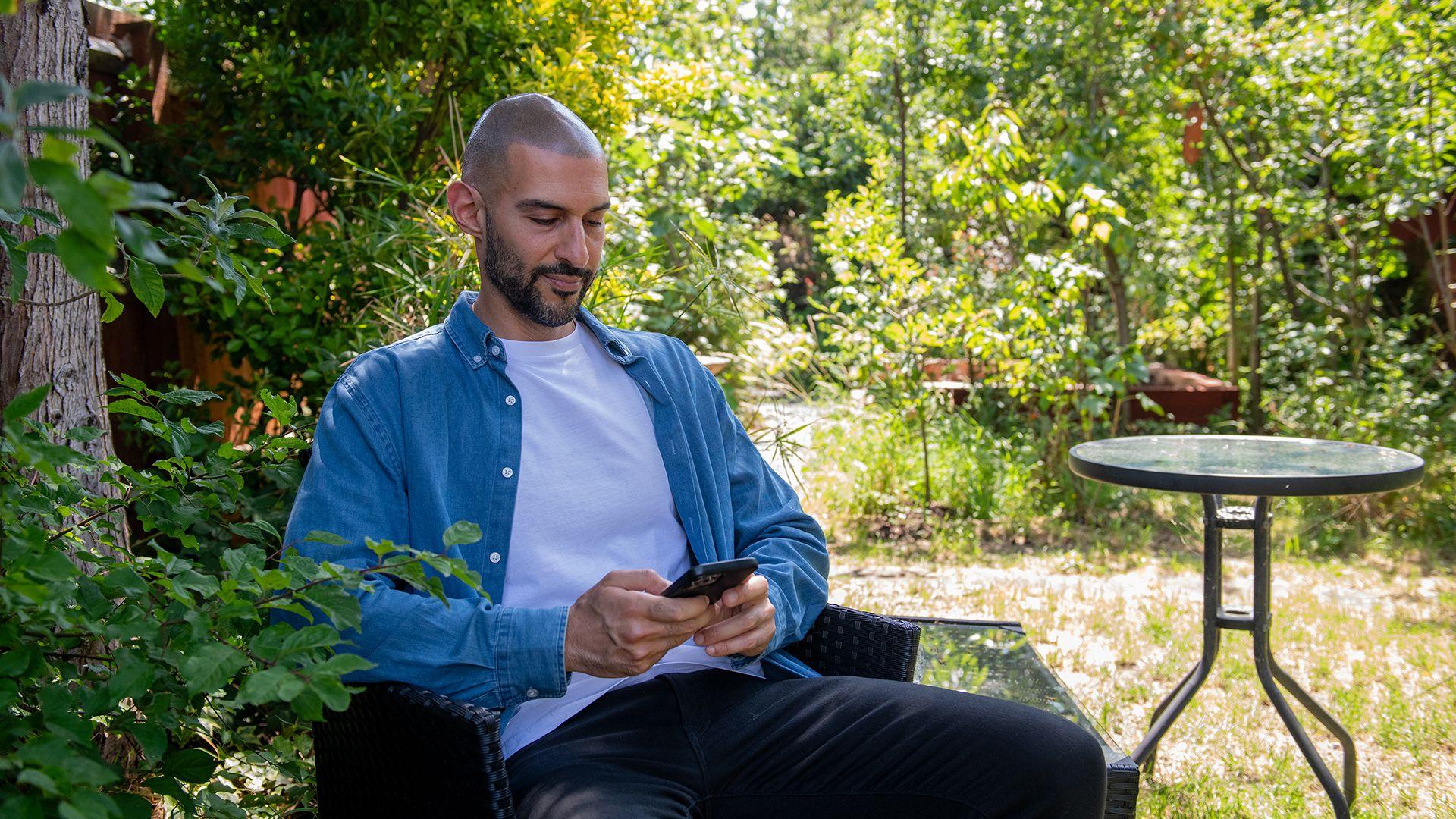
The story is presented as a personal account rather than an independently verified clinical diagnosis. The phrase “14-hour-a-day” comes from the subject’s own reporting; the BBC did not publish device-logged totals or clinical test results in the piece.
Personal narratives like this can illustrate what people feel when use becomes overwhelming: disrupted sleep, difficulty concentrating or strained relationships. Those details are reported via the BBC profile rather than through clinical records in the source.
Why addiction treatment centres are seeing more cases
Staff at addiction treatment centres quoted in the BBC report say that more clients are coming for help with out-of-control phone use. Clinicians describe a pattern where individuals seek support when self-help no longer reduces time spent on devices.
Those observations come from treatment providers and reflect what services are seeing locally. The BBC article does not include national statistics or peer-reviewed prevalence estimates, so the reported rise should be read as clinicians’ impressions rather than definitive population-level data.
When clinicians use the term “out-of-control,” they mean behaviour that interferes with daily life and functioning. That wording signals impairment in routines or relationships but is not necessarily a formal diagnostic label in standard psychiatric manuals.
Therapy and treatments for smartphone addiction
Addiction treatment centres quoted in the report typically adapt the same behavioural tools used for other compulsive behaviours. Cognitive behavioural therapy (CBT) is often used to help people map triggers, test alternative responses and practise coping techniques for urges to check their phones.
Therapists may set gradual limits, encourage the use of tracking tools to monitor screen time, and co-design routines that reduce the device’s centrality in daily life. Group sessions, where available, can offer peer support and shared problem-solving.
Referral routes vary: some people access help through mental health services, addiction clinics, GPs or private therapists. Centres in the BBC piece stress tailored plans and follow-up rather than one-size-fits-all solutions, with progress reviewed over weeks or months.
Practical steps and limits of the report
Short-term steps the BBC article notes — and clinicians commonly recommend — include using built-in screen-time tools to set limits, turning off non-essential notifications, and scheduling device-free windows such as during meals or the first hour after waking.
Small, consistent changes tend to be more sustainable than abrupt bans. Therapists also encourage people to identify activities that fulfil the need the device is meeting, whether that is social contact, boredom relief, or distraction from low mood.
A key caveat: the 14-hour figure is self-reported and the BBC piece did not publish logged device data or systematic survey figures. Clinicians’ reports that “more clients” are coming for help reflect service experience and awareness, not an independently verified national trend.
Frequently asked questions
What is phone addiction?
A: It commonly refers to patterns of smartphone use that significantly disrupt daily life. Clinicians focus on functional impact rather than a single hour threshold.
When should I seek therapy for smartphone addiction?
A: Consider professional help if device use consistently harms work, sleep, relationships or mood, and simple self-help steps don’t help.
What treatments reduce screen time?
A: Common approaches include CBT techniques, structured monitoring of screen time, notification management and therapy for any underlying anxiety or depression.
Source and attribution
This article summarises a BBC News report published on 2026-06-28. The original piece is titled “I’m in therapy for my 14-hour-a-day phone addiction and I’m determined to beat it.” Read the BBC profile here: BBC News – I’m in therapy for my 14-hour-a-day phone addiction.
Risk notes: the 14-hour figure is self-reported and not independently verified. Reports that “more clients are coming for help” are presented as clinicians’ observations without linked national data. The BBC article did not publish device-logged measures or peer-reviewed prevalence estimates; these caveats mean the story illustrates an individual experience and service impressions rather than establishing population-level trends.